
Will NVIDIA’s GeForce RTX 5050 Outshine AMD and Intel in Budget GPUs?

Article Highlights
Off On

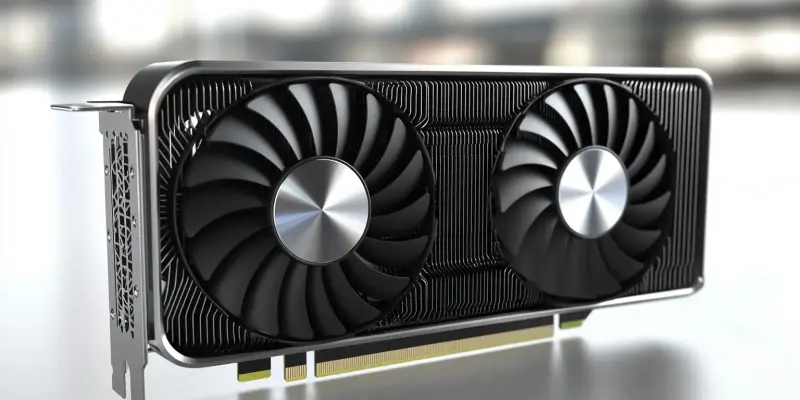
As NVIDIA prepares to launch the GeForce RTX 5050, the budget graphics card market is poised for increased competition. NVIDIA’s new entry in the 50 and 60 class GPUs will feature GDDR6 memory, making it a cost-effective yet powerful option. By focusing on affordability without major performance cuts, NVIDIA aims to attract gaming enthusiasts seeking value. This move targets AMD’s RX 9050 series and Intel’s Arc B580, both of which are strong in offering value-driven GPUs.

The RTX 5050 is expected to have 8 GB of GDDR6 memory, a total board power (TBP) of 135W, and a price range between $199 and $249. The choice to use GDDR6 instead of the pricier GDDR7 highlights NVIDIA’s strategy to balance cost and performance. Memory type is crucial for pricing and performance, and NVIDIA’s use of GDDR6 aims to make the RTX 5050 both financially attractive and capable.

NVIDIA has historically led the mid-range market, but AMD’s recent RX 9050 models have challenged that. With the RTX 5050, NVIDIA aims to regain lost ground, especially since they skipped the 50-class GPU during the Ada Lovelace era. This gap allowed competitors to rise, and the RTX 5050 represents a strategic effort to reclaim dominance.

Overall, the RTX 5050 showcases NVIDIA’s effort to meet demand for budget-friendly, high-performance GPUs. It marks NVIDIA’s reentry into the 50-class market and could reshape competition. By delivering strong performance-per-dollar, the RTX 5050 could reestablish NVIDIA’s standing against AMD and Intel’s latest offerings, potentially altering user expectations and market dynamics in the evolving graphics card industry.

Explore more

AI Redefines Software Engineering as Manual Coding Fades

The rhythmic clacking of mechanical keyboards, once the heartbeat of Silicon Valley innovation, is rapidly being replaced by the silent, instantaneous pulse of automated script generation. For decades, the ability to hand-write complex logic in languages like Python, Java, or C++ served as the ultimate gatekeeper to a world of prestige and high compensation. Today, that gate is being dismantled

Is Writing Code Becoming Obsolete in the Age of AI?

The 3,000-Developer Question: What Happens When the Keyboard Goes Quiet? The rhythmic tapping of mechanical keyboards that once echoed through every software engineering hub has gradually faded into a thoughtful silence as the industry pivots toward autonomous systems. This transformation was the focal point of a recent gathering of over 3,000 developers who sought to define their roles in a

Skills-Based Hiring Ends the Self-Inflicted Talent Crisis

The persistent disconnect between a company’s inability to fill open roles and the record-breaking volume of incoming applications suggests that modern recruitment has become its own worst enemy. While 65% of HR leaders believe the hiring power dynamic has finally shifted back in their favor, a staggering 62% simultaneously claim they are trapped in a persistent talent crisis. This paradox

AI and Gen Z Are Redefining the Entry-Level Job Market

The silent hum of a server rack now performs the tasks once reserved for the bright-eyed college graduate clutching a fresh diploma and a stack of business cards. This mechanical evolution represents a fundamental dismantling of the traditional corporate hierarchy, where the entry-level role served as a primary training ground for future leaders. As of 2026, the concept of “paying

How Can Recruiters Shift From Attraction to Seduction?

The traditional recruitment funnel has transformed into a complex psychological maze where simply posting a vacancy no longer guarantees a single qualified applicant. Talent acquisition teams now face a reality where the once-reliable job boards remain silent, reflecting a fundamental shift in how professionals view career mobility. This quietude signifies the end of a passive era, as the modern talent