

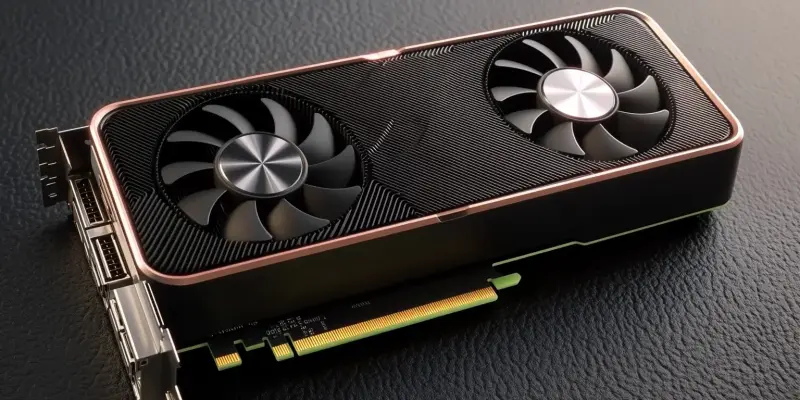
As tech enthusiasts eagerly await the release of NVIDIA’s GeForce RTX 50 series GPUs, the excitement is somewhat tempered by the anticipated challenges in acquiring these high-performance graphics cards at their Manufacturer’s Suggested Retail Price (MSRP). The new GPUs promise unprecedented capabilities, but several factors make it unlikely for consumers to easily obtain them at MSRP. Low inventory levels, elevated production costs, and reduced profit margins for Authorized Independent Builders (AIB) partners are poised to increase the retail prices significantly. NVIDIA’s Founders Edition models are expected to be nearly impossible to find due to limited production runs. The use of costly GDDR7 memory has also driven the Bill of Materials (BOM) higher, compounding the price challenges for consumers.
Supply Chain Strains and Pricing Woes
Echoing the conditions observed with the GeForce RTX 5090D, the RTX 50 series appears to be following a trend of “low demand, high price.” AIB partners, responsible for manufacturing custom models, are expected to offer these GPUs at even steeper prices due to their narrow profit margins. This has already been evident in previews of what to expect, as NVIDIA has not been able to streamline its production to meet the burgeoning demand. The higher costs associated with the GDDR7 memory integral to these cards contribute to a hefty BOM, and this increase in production expenditure inevitably trickles down to the consumer. With limited production capabilities, it is anticipated that these GPUs will be accessible only to major retailers, further complicating availability for the average consumer and creating a niche market for those able to afford the premium pricing.
Given these factors, the initial release period will likely see the RTX 50 series becoming something of a scarcity, available only to the most resourceful and dedicated users willing to brave extensive procurement challenges. As NVIDIA’s production processes are calibrated to focus on advanced technical capabilities, the availability in the hands of consumers remains a pressing concern. This scenario leaves many pondering whether the exceptional performance promised by the RTX 50 series can justify the pursuit and financial burden associated with acquiring one of these coveted GPUs.
Competitive Alternatives
Amid the supply chain troubles and pricing challenges of the RTX 50 series, consumers find a silver lining in the competitive landscape. AMD’s RX 9070 series GPUs present more accessible and appealing options. Noted for their superior price-to-performance ratio, these GPUs offer a practical alternative for gamers and tech enthusiasts discouraged by NVIDIA’s complications. AMD’s strategy of maintaining ample inventory could benefit consumers struggling to obtain an RTX 50 series card. This ability to meet demand more effectively positions AMD’s products as solid choices in the currently high-priced graphics card market.
If NVIDIA can’t resolve its supply chain problems and continues to struggle with availability, the RX 9070 series may surpass the RTX 50 series in terms of market accessibility and consumer satisfaction. For those weighing cutting-edge performance against cost, AMD’s options might be more sensible. The high prices and procurement issues are likely to shift market dynamics, pushing more consumers towards GPU manufacturers offering advanced capabilities and better availability. Ultimately, the decision will hinge on individual preferences, whether it’s loyalty to NVIDIA or the allure of AMD’s more feasible offerings.