

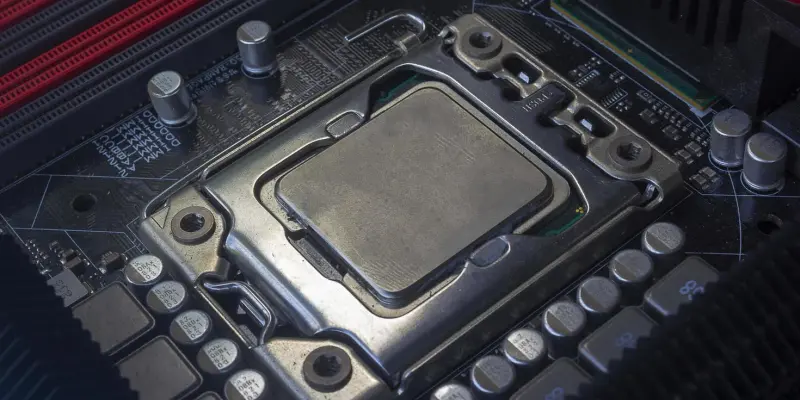
Intel is rumored to be developing a new desktop CPU, known as Bartlett Lake, featuring 12 performance (P) cores without any efficiency (E) cores. This speculation arises from overclocker Toppc, associated with MSI, who referenced a confidential changelog from the AIDA64 testing application. Initially revealed as a blend of P and E cores aimed at networking and edge computing, Bartlett Lake now appears to be pivoting towards a pure P core variant for desktop purposes. This signifies a notable shift for Intel, who traditionally balanced high performance with thermal efficiency through a combination of P and E cores.
Transforming Gaming Performance
Intel’s strategic move to introduce a 12 P core design could radically transform gaming performance by potentially overcoming limitations posed by the existing eight P core architecture found in several generations of Intel CPUs. These limitations have impacted gaming capabilities, and an increase in P cores could provide a considerable boost. For gamers, this advancement means smoother gameplay and improved frame rates, enhancing the overall gaming experience. Moreover, Bartlett Lake’s new design offers a seamless upgrade for users on older LGA 1700 socket-based systems, which are compatible with 12th to 14th Generation Intel CPUs. This development aligns with Intel’s strategic efforts to regain competitive ground against AMD, which has consistently updated its AM4 socket platform. By offering a higher-performing CPU that integrates easily with existing hardware, Intel aims to entice PC gamers who are looking for straightforward and cost-effective upgrade paths. The introduction of this CPU at Computex next month could provide more detailed insights, making it an important event for tech enthusiasts and industry watchers alike.
Potential Market Impact
If the rumors regarding Bartlett Lake hold true, Intel’s new CPU could reinvigorate its position in the desktop market. A high-performance CPU tailored for gaming, backed by extended support for current hardware platforms, has the potential to attract a substantial user base. By addressing the gaming community’s need for better performance and streamlined upgrade options, Intel endeavors to set a new benchmark in the CPU market. This strategy not only simplifies the upgrade process for existing users but also aims to draw new customers who seek a superior gaming experience without the need for extensive hardware investments. The inclusion of 12 P cores without E cores suggests a focus on maximizing performance without the traditional trade-offs associated with thermal efficiency. This approach may appeal to hardcore gamers and performance enthusiasts who prioritize raw power over energy efficiency. Intel’s decision might also be influenced by the growing demand for higher performance CPUs in gaming and professional applications where multi-core performance is critical. Thus, Bartlett Lake could signify a pivotal shift in Intel’s approach to desktop CPU design, reflecting market trends and consumer demands.
Future Considerations
Intel is rumored to be developing a new desktop CPU called Bartlett Lake, which will feature 12 performance (P) cores but no efficiency (E) cores. Usually, Intel’s CPUs combine both P and E cores to balance high performance with thermal efficiency. This information comes from overclocker Toppc, who is affiliated with MSI and referred to a secretive changelog from the AIDA64 testing application. Initially, Bartlett Lake was thought to be a mix of P and E cores, intended for networking and edge computing. However, recent insights suggest a major shift, with the CPU focusing solely on P cores for desktop use. This move represents a significant change for Intel, traditionally known for its hybrid approach to core architecture. By potentially abandoning E cores in Bartlett Lake, Intel could be redefining its strategy to prioritize pure performance. The implications of this could be far-reaching, influencing desktop CPU design and possibly setting a new trend in the industry.