

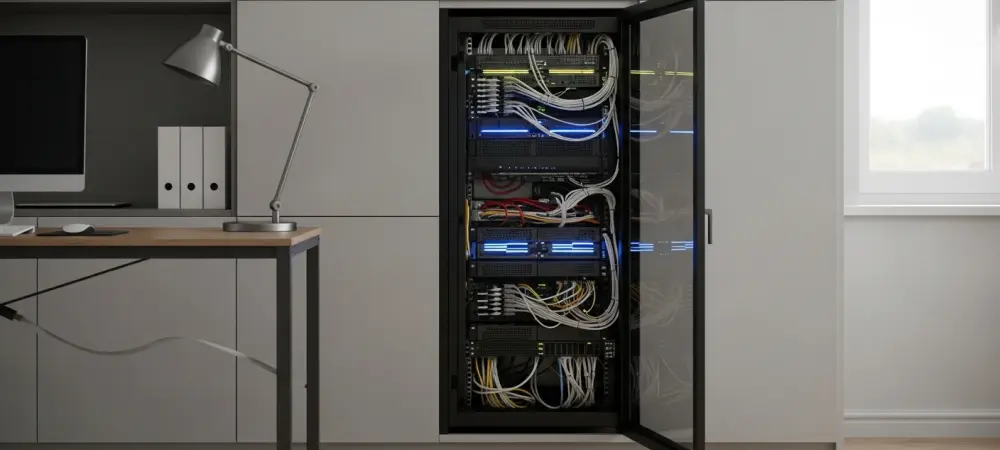
The rapid expansion of artificial intelligence is currently pushing the absolute limits of traditional digital infrastructure, forcing a radical reimagining of where and how data is processed across the globe. As massive, centralized data centers face mounting criticism over their environmental impact, excessive water consumption, and land use, a new decentralized model is beginning to emerge as a viable alternative. This shift explores the practical possibility of turning private residential spaces, such as basements and climate-controlled garages, into micro-scale hubs for high-density AI processing. By moving compute power directly into the domestic landscape, the technology industry seeks to balance the insatiable demand for hardware with the practical constraints of urban development and the rising costs of industrial real estate. This evolution represents more than just a technical adjustment; it is a fundamental change in the relationship between private citizens and the digital backbone of the modern economy, potentially turning neighborhoods into the front lines of the AI revolution.
The Drivers of Domestic Decentralization
Economic Incentives and the Rise of the Prosumer
The modern housing market is currently characterized by high maintenance costs and persistent volatility, which has forced property owners to aggressively seek out new, non-traditional revenue streams to offset their expenses. Just as rooftop solar panels and guest suites transformed many homes into income-generating assets over the last few years, hosting server racks now offers a sophisticated way to monetize underutilized square footage or “dead space.” For many residents, the primary appeal lies in the passive nature of infrastructure hosting, which provides a steady stream of recurring income without the constant physical turnover or emotional labor associated with the short-term rental industry. This financial lifeline is becoming increasingly attractive as property taxes and insurance premiums continue to climb, making the prospect of renting out power and cooling capacity a logical step for the financially savvy homeowner in the current economic climate.
Beyond the immediate financial motivation, there is a growing familiarity with enterprise-grade technology among the general public, driven by the expansion of remote work and high-performance computing hobbies. As advanced networking hardware and high-speed fiber optics become standard features in many residential areas, the technical barrier to entry for hosting server clusters continues to drop for the average person. This rising tide of technical literacy allows homeowners to function effectively as micro-scale data center operators, bridging the gap between professional infrastructure and the domestic environment. These “prosumers” are no longer just passive consumers of digital content but are becoming active participants in the supply chain, utilizing advanced remote monitoring tools and shared responsibility frameworks to ensure that their home-based hardware remains online and productive for the global network.
Corporate Strategy and the Need for Edge Computing
From a strategic business perspective, decentralized compute addresses the critical issue of latency, which remains a primary bottleneck for the next generation of real-time AI applications. By placing processing power physically closer to where end-users live and work, companies can deliver faster, more responsive services that traditional, remote facilities simply cannot match due to the laws of physics. This “edge” approach is becoming an essential requirement as AI integrates deeper into the fabric of daily life, necessitating immediate data processing for everything from autonomous local logistics to personalized digital assistants. Reducing the distance data must travel not only improves the user experience but also decreases the overall load on the core internet backbone, creating a more resilient and efficient digital ecosystem that can handle the massive data bursts typical of modern machine learning models.
Furthermore, distributed infrastructure provides a clever strategic workaround for the “Not In My Backyard” sentiment that often stalls or completely cancels large-scale data center projects in populated areas. By dispersing hardware across thousands of individual residential locations, technology companies can effectively bypass the regulatory bottlenecks and social hurdles associated with building massive, visible industrial complexes. This model allows for a more fluid and flexible expansion of capacity, tapping into existing electrical and structural footprints that are already fully integrated into the community. Instead of fighting for permits to build one massive facility that consumes a town’s worth of power, providers can incrementally scale their operations by recruiting homes that already have the necessary utility connections, resulting in a more harmonious growth pattern for the industry.
Navigating the Practical Realities of Residential Hosting
Emerging Frameworks for Decentralized Power
The market for residential hosting is currently being shaped by three distinct business models that cater to different levels of involvement and technical expertise. The most structured approach involves controlled edge-host programs, where major infrastructure providers curate specific residential sites to host proprietary hardware under very strict operational standards. In this scenario, the homeowner acts primarily as a high-tech landlord, providing the space and power while the company manages the actual compute cycles. Alternatively, grassroots decentralized marketplaces allow individuals to sell spare capacity from their own existing hardware, creating a true gig-economy for processing power. This allows anyone with a high-end gaming rig or a small home server to participate in the market, providing a highly flexible but less predictable pool of resources for developers.
These emerging models aim to maximize asset utilization by leveraging the latent potential of residential properties that would otherwise remain idle during most of the day. For a technology company, the lower real estate overhead and significantly faster deployment speeds in residential neighborhoods offer a formidable competitive advantage over traditional builders. For the homeowner, this represents a durable and predictable source of income that relies on the physical stability of the house rather than the fluctuating demand of the tourism or gig-labor markets. This creates a symbiotic relationship where big tech gains a rapid path to expansion and private residents gain a way to subsidize their living costs, effectively turning the home into a productive node that contributes to the global digital economy while lowering the total cost of ownership.
Technical and Regulatory Obstacles to Overcome
Despite the undeniable promise of this decentralized model, significant physical and logistical challenges remain that could prevent it from reaching a truly massive scale. Residential electrical grids are rarely designed to handle the continuous, high-density loads required by modern AI chips, which often pull several kilowatts of power around the clock. This mismatch often necessitates expensive upgrades to the home’s main panel, dedicated heavy-duty circuits, and industrial-grade cooling solutions to prevent hardware failure. Additionally, the constant heat and high-decibel noise generated by server racks can be incredibly intrusive, potentially degrading the quality of life within the living space. Without sophisticated soundproofing and dedicated HVAC zones, the burden of managing the physical byproduct of the data center shifts from the corporate balance sheet to the homeowner’s personal comfort. Legal and safety concerns present another formidable barrier to the widespread adoption of home-based data centers across the country. Most standard residential insurance policies are not designed to cover the unique risks associated with commercial-grade hardware, such as specialized electrical fire hazards or the liability of hosting high-value enterprise data. Furthermore, local zoning laws and Homeowners Association rules often strictly restrict commercial activities or the installation of industrial-sounding equipment in quiet residential zones. These legal hurdles mean that the vision of a “server in every garage” may face prolonged battles from local governments and concerned neighbors. Navigating these complexities requires a standardized legal framework that protects both the resident and the hardware owner, something that is still in the very early stages of development.
The Problem of Trust and Reliability
The most significant hurdle for the widespread adoption of residential data centers is the deep psychological gap between a professional facility and a private basement. Enterprise clients typically demand “five-nines” reliability and ironclad physical security protocols that most residential environments currently cannot guarantee or verify. Questions regarding physical access control, hardware maintenance during a neighborhood-wide power outage, and the protection of sensitive data from local interference remain largely unanswered in the current decentralized model. For a business to entrust its most valuable AI workloads to a residential site, there must be a level of transparency and accountability that matches the standards of a Tier 4 data center, which is a difficult benchmark to achieve in a suburban setting.
Consequently, the future of this trend likely lies in a highly selective, niche market rather than a mass-market explosion of every household participating. Only homes with specific, rare attributes—such as detached, soundproofed structures, industrial-grade fiber connections, and access to exceptionally cheap electricity—will likely be recruited for these programs. These sites will probably be used for non-sensitive, low-priority edge workloads or massive batch processing tasks where absolute uptime is less critical than cost-efficiency. While homes may never fully replace the massive, fortress-like data centers that define the current era, they are poised to become a specialized and vital component of a hybrid infrastructure. This evolution effectively turns the private residence into a productive participant in the AI revolution, provided that the industry can build the necessary bridges of trust and technical standardization.
Future Considerations for Residential Integration
Homeowners and developers should begin evaluating properties for their “compute readiness” by assessing the existing electrical capacity and fiber optic availability as part of the standard valuation process. The next logical step for the industry is the creation of standardized “plug-and-play” server enclosures that include integrated soundproofing, liquid cooling, and independent fire suppression to mitigate the risks to the residential structure. Additionally, homeowners interested in this space must consult with insurance providers and legal counsel to ensure that their participation does not violate local ordinances or void their primary property coverage. Moving forward, the success of residential AI infrastructure will depend on the development of specialized service level agreements that account for the unique variables of the domestic environment while maintaining the performance standards required by the tech sector. This transition represents a shift toward a more resilient, distributed digital future where the home is an active contributor to global progress.