

The relentless expansion of generative artificial intelligence has fundamentally rewritten the rules of data center management, pushing energy grids to their breaking points while forcing a total re-evaluation of corporate environmental responsibility. This evolution represents a critical collision between the meteoric rise of high-density compute and the increasingly stringent global mandates for carbon neutrality. In the current landscape, the traditional models of Information Technology (IT) efficiency, which relied on incremental gains from virtualization and standard cloud migration, have proven insufficient. The sheer energy intensity required to train and deploy large-scale neural networks has introduced a level of volatility that simple power-management software can no longer contain. Consequently, the industry is undergoing a significant transformation, moving from vague, aspirational sustainability goals to a roadmap defined by granular, engineering-led discipline.
This paradigm shift is driven by the realization that AI is not merely an incremental technology but a massive disruptor of existing environmental frameworks. Organizations that once viewed green initiatives as a secondary compliance task are now discovering that the physical limits of power delivery and heat dissipation are the primary constraints on their innovation. As the demand for specialized hardware like Graphics Processing Units (GPUs) continues to skyrocket, the gap between traditional enterprise workloads and AI-centric operations widens. This gap necessitates a new architectural philosophy, one that treats electrons and heat with the same level of scrutiny once reserved for capital expenditures and software uptime.
The Paradigm Shift: AI as a Disrupter of Traditional Efficiency
Tracking the Surge in High-Density Compute and Energy Demand
The departure from the predictable, linear growth patterns of the previous decade is perhaps the most visible indicator of the current technological upheaval. Large language models (LLMs) operate on a scale that defies traditional power curves, requiring infrastructure that consumes exponentially more electricity than standard server CPUs. In this era of 2026, the transition toward massive, high-density clusters has created a palpable tension between the immediate mandate for AI dominance and the long-term risk of reversing years of environmental progress. Statistics indicate that the power density per rack in modern AI-optimized data centers has increased three to four times compared to the legacy environments of the early 2020s, placing an unprecedented strain on cooling systems and local utility providers.
Moreover, the volatile nature of these workloads makes energy forecasting a significant challenge for facilities managers. Unlike traditional database queries or web hosting, AI training sessions can cause sudden, massive spikes in power consumption that last for weeks. This unpredictability threatens the stability of regional grids, especially in areas where green energy production is not yet scaled to meet such concentrated demand. Data trends suggest that without a fundamental change in how these workloads are scheduled and powered, the carbon footprint of the technology sector could double within the next few years, undermining the very sustainability targets that corporations have spent millions to achieve.
Real-World Applications of Sustainable Workload Management
In response to these challenges, progressive organizations have begun to implement workload-specific energy thresholds to govern their AI operations. This practical application of engineering discipline involves distinguishing between the high-intensity requirements of model training and the relatively lower demands of inference. By establishing clear benchmarks for energy efficiency, firms can determine when the environmental cost of a specific project outweighs its potential business value. Leading enterprises are now using sophisticated telemetry to track the “carbon-per-query,” allowing them to optimize their software code and hardware utilization in real-time.
Furthermore, the management of the hardware lifecycle has emerged as a critical component of sustainable operations. Secure IT asset disposal (ITAD) has transitioned from a backend logistics function into a strategic tool for creating auditable sustainability trails. By prioritizing the refurbishment and reuse of hardware, companies are able to mitigate the environmental impact of manufacturing new components. These organizations are also adopting rigorous data retention policies, recognizing that the energy cost of storing petabytes of unused training data is a form of digital waste that must be curtailed. These practical steps demonstrate that sustainability is no longer just a narrative but a functional requirement of modern engineering.
Industry Perspectives on Navigating the Measurement Dilemma
Expert critiques of the current environmental reporting landscape highlight a growing skepticism regarding market-based accounting and carbon offsets. Many tech leaders argue that the reliance on renewable energy certificates often masks the true impact of data center operations, as these financial instruments do not always correspond to the physical reality of the local power grid. There is a decisive shift toward location-based reporting, which requires organizations to track the real-time carbon intensity of the specific grid where their servers are located. This approach provides a much more accurate picture of environmental impact, showing exactly how much fossil fuel energy is being consumed when the wind stops blowing or the sun goes down. The role of the Chief Information Officer (CIO) has also evolved from a provider of technology services to a steward of physical and environmental resources. This new responsibility requires a deep understanding of the energy mix provided by hyperscale cloud service providers (CSPs). However, a significant hurdle remains the lack of transparency in the data provided by these massive vendors. Many CSPs offer aggregated environmental data that lacks the granularity needed for an enterprise to perform a truly localized analysis. To combat this, industry leaders are increasingly demanding more verifiable, real-time access to power-usage effectiveness (PUE) and carbon-intensity metrics from their cloud partners to ensure that their third-party infrastructure aligns with internal climate goals.
Future Outlook: Balancing Innovation With Ecological Responsibility
The industry is increasingly turning its attention toward the concept of embodied carbon, which accounts for the total greenhouse gas emissions generated during the mining, manufacturing, and transportation of hardware. Traditionally, the IT sector followed a rapid three-year refresh cycle, but the environmental cost of this turnover is becoming untenable. Forward-thinking enterprises are now prioritizing hardware lifecycle extension, finding ways to keep equipment in service for five to seven years through better maintenance and modular upgrades. This focus on longevity is a significant departure from the “disposable” culture of the past and represents a more mature approach to resource management.
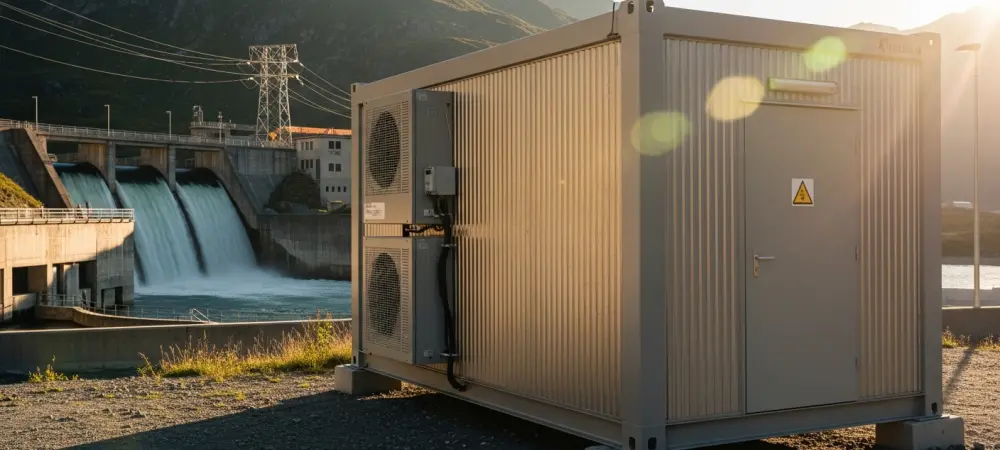
In tandem with lifecycle extension, the move toward workload segregation is gaining momentum. This strategy involves placing high-density AI tasks on new, specialized, and highly efficient hardware while maintaining legacy applications on older, existing infrastructure tiers. By preventing the premature retirement of functional equipment, organizations can drastically reduce their total carbon footprint. Additionally, the development of decentralized, green-energy-aligned compute centers offers a glimpse into a future where AI workloads are moved to locations with an abundance of renewable energy, such as near hydroelectric plants or geothermal fields. This geographical flexibility could allow the industry to continue innovating without overwhelming urban power grids. The long-term success of AI infrastructure will likely depend on the ability to provide verifiable and auditable environmental performance data. In a market that is increasingly skeptical of “greenwashing,” the capacity to prove that a specific AI model was trained using 100% local renewable energy will become a major business differentiator. This level of accountability will require new standards for data centers, including the integration of blockchain or other transparent ledgers to track energy certificates from the point of generation to the point of consumption. Ultimately, the future of AI innovation is inextricably linked to the transparency of the infrastructure that supports it.
Conclusion: Building a Verifiable Foundation for AI
The transition from top-down environmental narratives to grounded, operationalized sustainability metrics represented a fundamental maturation of the technology sector. Leaders recognized that the longevity of the AI revolution was tethered to the transparency and accountability of its underlying physical layer. The industry moved toward a model where verifiable performance became the primary differentiator for any organization operating in a globally monitored market. This evolution ensured that the pursuit of cutting-edge innovation did not occur at the expense of environmental integrity or local infrastructure stability.
Accountability became the standard, and the pursuit of green-energy-aligned, decentralized compute centers turned into a necessary reality for those wishing to remain competitive. Organizations implemented rigorous lifecycle management and location-based reporting to ensure that every electron was accounted for with precision. By treating sustainability as a core engineering requirement rather than a secondary compliance checkbox, the IT sector established a solid foundation for the next generation of growth. The path forward was clear: the most successful AI initiatives were those that balanced the power of the algorithm with the responsibility of the infrastructure.