

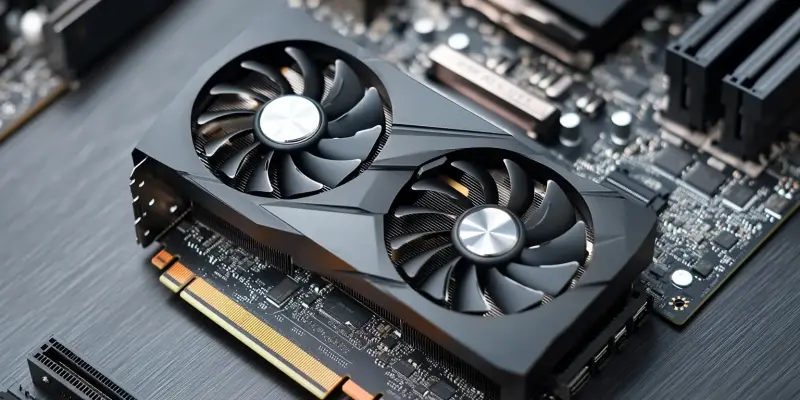
The tech industry is buzzing with anticipation for the launch of the next-generation midrange graphics cards by AMD and Nvidia in March. According to rumors from Wccftech and VideoCardz, Nvidia is set to release the RTX 5070 Ti and 5070, while AMD is preparing to introduce the Radeon RX 9070 XT on March 6. Consumers and industry enthusiasts are eagerly awaiting these new GPUs, hoping they will offer substantial improvements in performance and value. However, the key question on everyone’s mind is whether retailers will have sufficient inventory to meet the expected high demand, especially considering the understocking issues faced during Nvidia’s prior launches.
Nvidia’s Revised Release Schedule Raises Questions
Initially, Nvidia planned to release its new midrange GPUs in February, but recent developments suggest a shift in their release schedule. The removal of a countdown page from MSI’s French store website has sparked speculation about potential delays. This change has added to the uncertainty surrounding the availability of these graphics cards. During previous releases, such as the GeForce RTX 5090 and 5080, Nvidia struggled with understocking, leaving many consumers unable to secure their desired products. As a result, there is an underlying concern about whether Nvidia has learned from past experiences and improved its supply chain to handle the anticipated demand for the RTX 5070 Ti and 5070.
Retailers and consumers alike are keen to see if Nvidia will be better prepared this time around. With the growing expectation for these midrange GPUs, it’s crucial that Nvidia ensures a consistent and adequate supply. Failure to do so could lead to frustration among customers and potential market share loss to competitors. The anticipation surrounding the RTX 5070 Ti and 5070 underscores the significant interest from a broad customer base, making inventory management a critical aspect of Nvidia’s strategy for this launch.
AMD’s Competitive Strategy and Market Dynamics
Both companies have a lot riding on the successful introduction of these new graphics cards, as the industry watches closely for how they will handle these potential challenges. As the competitive landscape evolves, AMD’s launch strategy for the Radeon RX 9070 XT will be scrutinized. Their ability to compete effectively with Nvidia’s offerings will depend not only on the performance of their GPUs but also on their capacity to meet market demand. This combined dynamic of high anticipation and potential supply chain issues will be a pivotal factor in determining the success of AMD’s and Nvidia’s new midrange GPUs.