

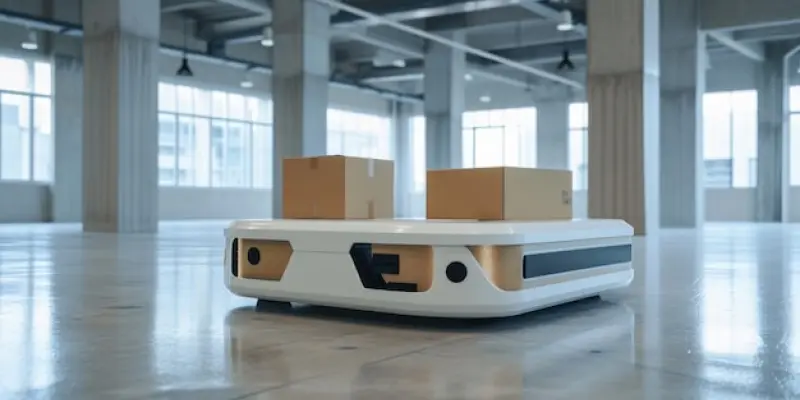
In the rapidly evolving landscape of warehouse operations, the introduction of AI-powered robotics signifies a profound step toward reshaping efficiencies and safety measures. At the forefront of this technological advance is “The Mech,” a collaborative creation by Kawasaki Heavy Industries and Dexterity. This robotic system is designed to mimic human logic, reflecting an intricate design focused on intelligent package handling. Through a combination of Kawasaki’s superior robotic arm technology and Dexterity’s innovative AI platform, the Mech addresses crucial challenges faced in warehouse logistics, promising to significantly enhance various operational aspects. This article delves into the sophisticated intricacies and breakthroughs associated with this revolutionary robotic development.
Human Mirroring in Robotic Design
Intelligent Package Handling and Worker Collaboration
In traditional warehouse settings, human workers assess multiple package attributes such as weight, size, and shape to optimize stacking and transportation. This intuitive handling, however, often leads to errors and potential injuries, indicating a need for more reliable automation. The Mech, with its dual-arm configuration and comprehensive AI capabilities, addresses these concerns by emulating human logic in package assessments. The embedded system leverages Dexterity’s Physical AI software, interpreting real-time data from an array of cameras and sensors. This advanced sensory integration allows the robotic arms to perform precise evaluations of packages, significantly mitigating the chances of inappropriate handling. The Mech’s design facilitates seamless cooperation with human staff, a critical aspect of its integration into existing warehouse environments. By assuming tasks that may otherwise result in fatigue or harm to human workers, the Mech helps ensure a safer workplace. Moreover, software updates and maintenance can be performed with ease, thanks to its sophisticated yet user-friendly operating system. Such transformative technology paves the way for a new era where robotics complement human efforts, enhancing productivity while safeguarding workers against the physical strain of demanding tasks.
Navigating Challenges and Solutions
The Mech’s capacity to autonomously perform difficult maneuvers is enabled by its eight degrees of freedom and substantial lifting power, reaching collective weights of up to 130 pounds. This enhanced mobility is crucial in navigating the crowded and often constrained spaces typical of warehouse environments. Additionally, the robot efficiently manages a broad range of motions, ensuring packages are handled meticulously, reducing damage rates, and fostering an organized workflow. These attributes directly contribute to the growing reliance on automated solutions, particularly considering the current trend toward an aging workforce and the continued surge in e-commerce demands.
Adapting to the dynamic demands of modern warehouse operations, the Mech showcases a robust strategy to maintain operational uptime and minimize disruptions. As the Mech builds on the foundation of machine learning, it continuously adapts and refines its performance. Such capabilities reinforce its role as a pivotal tool for addressing the perennial challenges found in logistical endeavors, affirming the invaluable role AI-powered robotics will increasingly play.
Shifting Trends Toward Automation
Industry Implications and Workforce Dynamics
The advent of robots like the Mech signifies a broader trend in warehouse logistics, emphasizing the increasing importance of automation. Industries are witnessing a shift driven by multifaceted demands: the burgeoning digital marketplace, workforce limitations, and heightened expectations around efficiency and reliability. This growing trend toward automation ensures that companies not only maintain their competitive edge but also safeguard employees against arduous, repetitive tasks. In this rapidly changing environment, AI-powered robotics offer a strategic advantage with their capacity to streamline operations.
In warehouse contexts, collaborative robotics systems represent an intersection of technology and human resource strategy. By working alongside traditional labor forces, robots like the Mech promote a balanced operational model, ensuring both job retention and technical advancement. This dual approach allows companies to optimize their resources efficiently, preserving roles that require nuanced human judgment while automating monotonous manual labor. Such synergy between human labor and robotic intervention proves essential in a future with evolving needs and priorities.
Future Prospects and Technological Advancements
Looking ahead, AI-powered robotics like the Mech not only present operational improvements but also prompt a reconsideration of industrial practices. Their capacity to autonomously execute complex tasks with high precision suggests the potential for wider applications beyond traditional warehousing. As these systems evolve, they will likely adopt more sophisticated learning algorithms and integrate augmented reality interfaces to facilitate enhanced human-machine collaboration. These advancements promise to further refine logistics, pushing the boundaries of efficiency in supply chain management.
Given the challenges faced by traditional warehousing, AI solutions must navigate operational intricacies with continuous innovation. In this realm, the Mech stands as a testament to the immense possibilities of AI-driven technology, advocating an industry replete with automation potential. As logistics landscapes evolve, ongoing research and development in robotic systems will continue propelling the field forward, fostering a balanced future where efficiency, safety, and innovation thrive hand in hand.
Transformative Pathways Ahead
In traditional warehouses, human workers typically evaluate package attributes like weight, size, and shape to optimize stacking and transportation. This intuitive process often results in errors and injuries, highlighting the necessity for improved automation solutions. The Mech, equipped with dual arms and advanced AI, addresses these issues by imitating human logic to assess packages. Using Dexterity’s Physical AI software, the system interprets real-time data from various cameras and sensors, allowing the robotic arms to accurately evaluate packages and reduce mishandling.
The Mech’s design ensures smooth collaboration with human staff, crucial for integration into current warehouse settings. By taking over tasks that might lead to fatigue or injuries among human workers, the Mech contributes to a safer work environment. Furthermore, its advanced yet intuitive operating system facilitates easy software updates and maintenance. This groundbreaking technology represents a shift toward robotics complementing human efforts, boosting productivity while protecting workers from the physical demands of challenging tasks.