

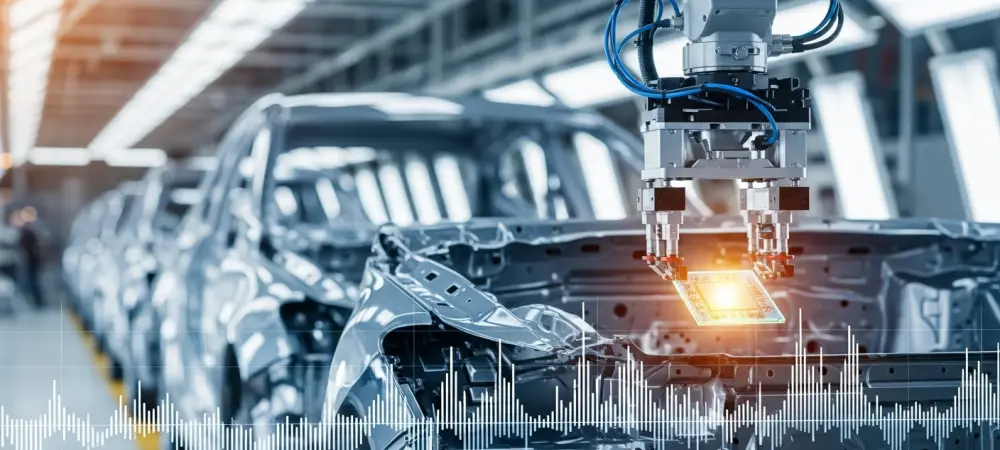
The unsettling quiet of near-empty dealership lots from the recent pandemic-era semiconductor crisis may soon return, but this time the driving force is not a global health emergency but the insatiable appetite of the artificial intelligence industry. A looming supply chain disruption, centered on a critical component—the memory chip—is threatening to once again stall vehicle production lines across the globe, pitting the automotive sector against the world’s most powerful technology giants in a battle for resources.
The Déjà Vu of an Empty Car Lot
The automotive industry is facing a familiar threat, as the explosive growth of artificial intelligence creates fierce competition for essential semiconductor components. This emerging conflict echoes the widespread shortages that previously crippled vehicle manufacturing, raising concerns that another period of production delays and limited inventory is on the horizon. The core of the problem lies in the limited global capacity to produce the silicon wafers that form the foundation of all microchips.
While the previous shortage was triggered by a sudden surge in demand for consumer electronics, the current pressure stems from the AI sector’s massive need for high-performance computing power. This has created a new, formidable competitor for the finite resources of chip fabricators, putting automakers in a precarious position as they navigate a supply chain that is once again showing signs of strain.
A Looming Collision of Supply Chains
At first glance, the automotive and AI industries appear to occupy different worlds, with cars using older, less advanced memory chips compared to the cutting-edge hardware required for AI data centers. However, this distinction is misleading. Both types of chips originate from the same raw material—silicon wafers—and often share the same manufacturing facilities. This convergence has created a direct conflict for production capacity.
The top three global DRAM manufacturers—Samsung, SK Hynix, and Micron—are at the center of this supply chain collision. Faced with overwhelming demand from the highly profitable AI and data center markets, these suppliers are strategically prioritizing their most lucrative customers. This pivot leaves automotive clients, with their lower-margin orders for older-generation chips, at a distinct disadvantage in securing the components they need.
The Core Conflict over Silicon Wafers
The central issue is a battle for profitability. Manufacturing high-bandwidth memory (HBM) chips for AI applications is significantly more profitable than producing the legacy DRAM chips used in most vehicles for infotainment and advanced driver-assistance systems (ADAS). Consequently, chipmakers are allocating more of their limited wafer capacity to AI, directly reducing the supply available for automotive-grade components.
This strategic shift is not merely a preference but a calculated business decision. As data centers expand to power the next generation of AI, their demand for advanced memory is growing exponentially. In this high-stakes environment, the automotive sector’s needs are becoming a secondary concern, forcing car manufacturers to compete in a market where they no longer hold priority.
Data and Analysis Sounding the Alarm
This is not a distant threat; the economic impact is already being felt. A recent report from analysts at UBS highlights a “material downside risk” to global vehicle production, with potential disruptions expected to begin as early as the second quarter. The analysis points to an alarming trend where the supply of essential memory chips is tightening at a rapid pace. Further underscoring the urgency, the same report cites a staggering price surge of over 100% for some of the critical memory chips used in automobiles. This market shock serves as a clear warning that the competition for silicon is intensifying. As prices climb and availability shrinks, the financial and operational pressure on automakers is mounting significantly.
The Vulnerability Spectrum and How to Prepare
Not all automakers face the same level of risk. The most vulnerable are those heavily reliant on complex electronics and cutting-edge technology, particularly electric vehicle makers like Tesla and Rivian, and advanced suppliers such as Visteon. These companies, which integrate sophisticated ADAS and infotainment systems, have a higher exposure to the specific memory chips now in short supply. In contrast, traditional manufacturers like Ford and General Motors may be slightly less exposed, though none are entirely immune.
This situation created a narrowing window for the auto industry to mitigate the impending crisis. The industry had to move beyond simply securing existing supply lines and actively pursue system redesigns to incorporate more readily available components. Fortifying supply chains and diversifying suppliers became not just a strategic advantage but a critical necessity for survival. The lessons from the last shortage underscore the urgent need for resilience and adaptability in the face of a rapidly changing technological landscape.