

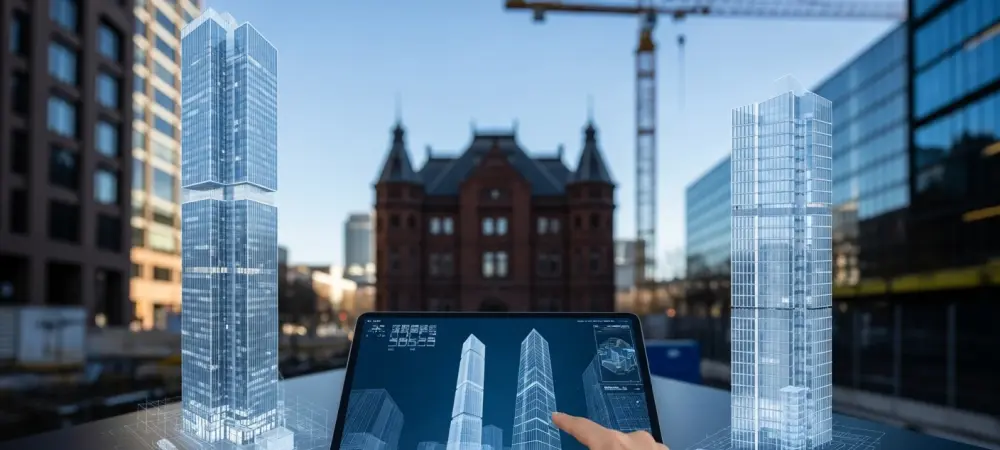
The skyline of Kansas City may soon face a dramatic shift as a century-old brick landmark stands directly in the path of a towering, high-tech industrial expansion project. Revitalization Unlimited, a Miami-based investment fund, has teamed up with the renowned architectural firm Skidmore Owings & Merrill to propose a massive transformation within the historic Library District. This project seeks to replace the modest Western Newspaper Union Building with a massive 20-story structure designed to house the digital heartbeat of the modern economy.
This discussion explores the delicate balance between preserving a city’s architectural soul and meeting the insatiable demand for technological infrastructure. As urban centers become increasingly crowded, developers are looking for ways to integrate high-density data facilities into existing neighborhoods. This article examines the specifics of the proposal, the historical value of the site, and the regulatory hurdles that remain in place before the first wrecking ball can swing.
Key Questions Regarding the Downtown Development
What Are the Specifics of the Proposed Data Center?
The plan centers on constructing a 384-foot-tall facility at 304 W. 10th Street, designed to provide 30MW of power to support modern digital needs. Unlike traditional data centers found in rural areas, this 142,085-square-foot tower is built vertically, with 18 floors dedicated specifically to server infrastructure. To minimize the environmental impact on the local power grid, the developers intend to utilize an energy system powered by natural gas fuel cells.
Beyond its industrial utility, the project includes ground-floor retail space intended to maintain some level of street-level engagement. By situating the facility near Netrality’s established carrier hotel, the developers aim to leverage existing connectivity hubs. This strategic proximity makes the site incredibly valuable for low-latency data processing, which is increasingly vital for the tech industry’s growth in the Midwest.
Why Is the Western Newspaper Union Building Significant?
Constructed in 1900, the Western Newspaper Union Building serves as a tangible link to the industrial heritage of Kansas City and is listed on the National Register of Historic Places. The structure was recently renovated less than a decade ago to serve as a mix of office and residential spaces, proving its continued viability for modern use. Its preservation has long been seen as a victory for those who value the aesthetic and cultural continuity of the Library District.
The irony of the current situation lies in the developer’s background, as Revitalization Unlimited has historically positioned itself as a fund dedicated to historic preservation. While they initially expressed a commitment to safeguarding architectural features, the sheer scale of the 30MW data center requires the complete demolition of the landmark. This shift in strategy has raised questions about the long-term security of other historic sites held by similar investment groups.
What Legal Obstacles Does the Project Face?
Because the property is eligible for the local historic register, the city maintains a level of oversight that prevents immediate demolition. The developer is currently required to secure a special-use permit, a process that involves rigorous public hearings and environmental reviews. These municipal safeguards are designed to ensure that the loss of a historic asset is weighed carefully against the economic benefits of new construction.
Community engagement has already begun through discussions with the Kansas Downtown Neighborhood Association, where residents and stakeholders have voiced varying opinions. While the project is still in its early stages, the tension between the legal mandates to protect history and the push for high-density technological utility remains high. The final decision rests with city officials, who must decide if the site’s future as a digital hub outweighs its century-old legacy.
Summary of the Urban Preservation Conflict
The proposal to replace a historic landmark with a 20-story data center highlights a growing trend in urban development. Developers are increasingly targeting city centers for infrastructure projects that were once reserved for the outskirts. This move provides essential connectivity but often comes at the cost of the neighborhood’s unique character and architectural history.
The fate of the Western Newspaper Union Building serves as a test case for Kansas City’s commitment to its historic districts. While the promise of ground-floor retail and advanced energy systems offers a nod toward modern urban planning, the core of the project remains an industrial facility. Stakeholders continue to monitor the permit process to see if technological utility will eventually triumph over preservation.
Final Thoughts on Future Urban Integration
City planners and residents should consider how the integration of heavy technology affects the livability of downtown corridors. As the demand for data processing continues to climb, more historic structures may find themselves under pressure from similar high-density proposals. It was essential for local authorities to establish clear guidelines that prioritize the adaptive reuse of buildings rather than total replacement.
Future developments would benefit from more creative architectural solutions that blend server infrastructure with existing facades. Looking ahead, the focus must remain on ensuring that the digital age does not erase the physical history that gives a city its identity. Advocacy and early participation in zoning meetings remained the most effective tools for communities seeking to influence the evolution of their skylines.