

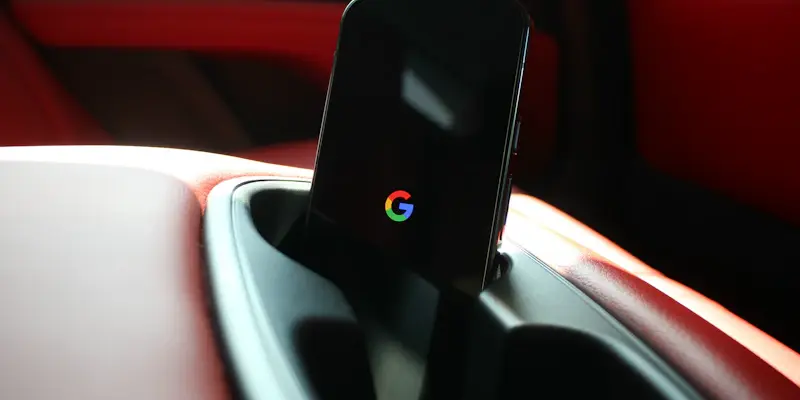
With a stellar reputation for delivering top-notch smartphones at competitive prices, Google has once again made headlines with the Pixel 8A hitting a record low price on Amazon, now available at only $399. This recent price drop makes the Pixel 8A an even more compelling option for those seeking a budget-friendly phone without compromising on key features. Praised for its outstanding camera performance and robust security features, the Pixel 8A continues to impress with its comprehensive suite of functionalities, making it one of the best value propositions on the market today.
Top-Notch Display and Battery Life
The Google Pixel 8A boasts a 6.1-inch Actua display, renowned for its vibrant and sharp visuals that greatly enhance the user experience, whether streaming videos or browsing social media. This display size strikes a balance, providing ample screen real estate while still being comfortable to hold and use with one hand. Early tests of the Pixel 8A’s battery performance have shown that it can comfortably last through a long day’s use, with power to spare for the evening. By taking advantage of the extreme battery saver mode, users can extend their device’s usage up to 72 hours, adding a layer of convenience for those times when charging might not be immediately accessible.
Moreover, the Pixel 8A comes with an IP67 rating for water and dust resistance. While this rating is slightly lower than the Pixel 8’s IP68, it still offers significant protection against the elements, providing peace of mind for those who lead active lifestyles or who may occasionally expose their devices to harsher conditions. It is clear that Google has put a considerable amount of thought into ensuring that the Pixel 8A is both a durable and reliable device, able to withstand the daily rigors of modern life with ease.
Advanced Security and Camera Capabilities
Security remains a top priority for the Pixel 8A, as evidenced by the inclusion of the Google Tensor G3 chip. This advanced chip works in tandem with integrated VPN services, ensuring that users’ data is protected and that their browsing experiences remain safe from potential online threats. For users who prioritize their privacy and security, the Pixel 8A offers a robust solution that does not require additional costly subscriptions or services.
Camera performance is another standout feature of the Pixel 8A, often highlighted as exceptional for its price range. Google has made a name for itself by incorporating high-quality camera technology into its Pixel line, and the 8A is no exception. The device captures detailed and vibrant photos, rivaling many higher-end smartphones on the market. This camera performance, combined with the phone’s affordability, adds significant value, making it an attractive option for photography enthusiasts who do not wish to spend a fortune for great shot capabilities. With these advantages, it is no wonder the Pixel 8A remains a top recommendation for those seeking a balanced smartphone experience.
Practical Investment
With a reputation for delivering high-quality smartphones at competitive prices, Google has once again grabbed attention with the release of the Pixel 8A, now available on Amazon at a record low price of just $399. This significant price drop positions the Pixel 8A as an incredibly enticing option for those aiming for a budget-friendly phone that doesn’t sacrifice important features. Known for its exceptional camera performance, the Pixel 8A stands out as a favorite among photography enthusiasts who seek crisp, vibrant images without the high cost. Moreover, the phone’s robust security features ensure user data remains protected, adding another layer of value to the purchase.
In addition to its camera and security strengths, the Pixel 8A also boasts a comprehensive suite of functionalities. Whether it’s the high-resolution display, seamless integration with Google’s ecosystem, or the long-lasting battery life, this device caters to a wide array of needs. All these elements combined make it one of the best value propositions available today, solidifying Google’s place in the competitive smartphone market.