

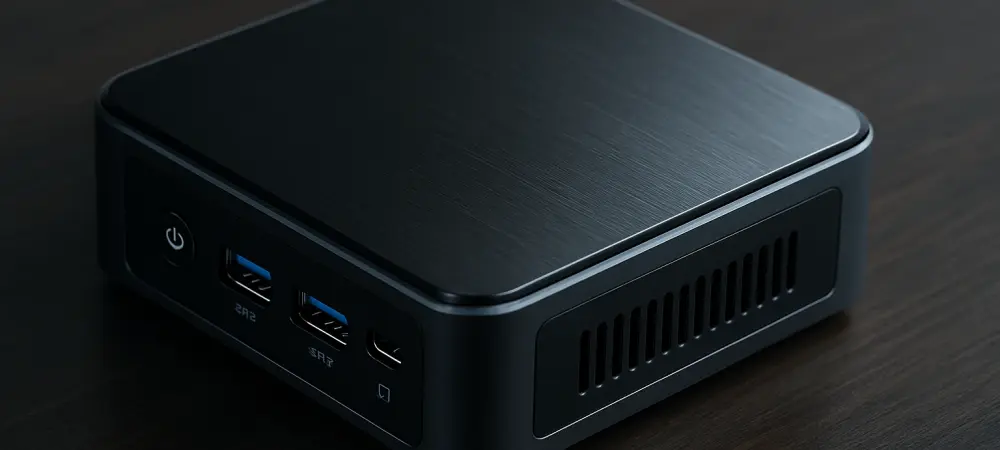
I’m thrilled to sit down with Dominic Jainy, a seasoned IT professional whose deep knowledge of artificial intelligence, machine learning, and blockchain has positioned him as a go-to expert in cutting-edge tech. Today, we’re diving into a hot topic for early Black Friday shoppers: the Trycoo Mini PC, a compact yet powerful device that’s making waves with its under-$200 price tag. In our conversation, Dominic breaks down what sets this mini PC apart, from its impressive performance and unique features to its ideal use cases and standout value. Let’s get started.
What caught your eye about the Trycoo Mini PC as an early Black Friday deal?
Honestly, the price point of under $200 is a game-changer. Most mini PCs in this range skimp on power or features, but the Trycoo punches way above its weight. Compared to other mini PCs on the market right now, it’s rare to see this level of hardware at such a low cost. You’re getting a solid processor, decent RAM, and connectivity options that rival machines costing twice as much. It’s a steal for anyone looking to grab a capable desktop without waiting for the big November sales.
Can you dive into the performance of the AMD Ryzen 5 5600H processor in this device?
Absolutely. The Ryzen 5 5600H is a beast for this price bracket. With 6 cores and 12 threads, plus a boost speed of up to 4.2GHz, it handles multitasking like a champ. For everyday users, this means smooth web browsing, streaming, and even light content creation without hiccups. It’s roughly twice as fast as Intel’s competing chips in this range based on benchmark tests, and it even comes close to Intel’s newer Core Ultra 7 165U—a chip you’d find in much pricier systems. That kind of performance at under $200 is pretty remarkable.
Who do you think would get the most out of this mini PC?
I’d say it’s perfect for a wide range of users. Students, remote workers, or anyone needing a reliable machine for everyday tasks like document editing and video calls will love its speed and compactness. It’s also a great fit for small businesses looking for an affordable yet powerful system for basic office work or point-of-sale setups. Honestly, its balance of power and price makes it versatile enough for both personal and professional use.
The Trycoo Mini PC comes loaded with Windows 11 Pro. Why is that a significant perk at this price?
Windows 11 Pro is a big deal because it’s not something you typically see in budget devices. This version offers business-grade features like enhanced security with BitLocker encryption, remote desktop access, and the ability to join a domain network. Compared to the standard version of Windows 11, it’s tailored for users who need more control and security, especially in a professional setting. Getting all of that at no extra cost in a sub-$200 machine adds tremendous value.
I’m curious about its ability to support multiple displays. Can you explain how it manages that?
Sure, the Trycoo Mini PC can drive three 4K displays at once, which is impressive for its size and price. It does this through a combination of HDMI, DisplayPort, and USB-C connections, leveraging the integrated graphics of the Ryzen 5 5600H. This setup is ideal for multitaskers, like professionals who need multiple screens for productivity, or even home users setting up an entertainment hub. It’s rare to see this level of display support in such an affordable package.
What stands out to you about the connectivity options on this mini PC?
The connectivity is honestly over-the-top for a device this cheap. You’ve got both 2.5Gb and 1Gb Ethernet ports for lightning-fast wired internet, which is great for businesses or gamers. On top of that, WiFi 6 ensures speedy wireless connections, and Bluetooth 5.2 makes pairing devices a breeze. Whether you’re streaming, transferring files, or connecting peripherals, this mini PC has you covered in ways most budget systems don’t.
Looking ahead, what’s your forecast for the future of mini PCs like the Trycoo in the tech landscape?
I think mini PCs are only going to grow in popularity. As more people prioritize space-saving solutions and remote work setups, devices like the Trycoo—offering desktop-class performance in a tiny footprint—will become go-to options. We’re also likely to see even more powerful chips trickle down to budget-friendly models as competition heats up between AMD and Intel. Add in advancements like better cooling and energy efficiency, and I believe mini PCs will carve out a huge niche for both personal and professional use in the next few years.