

Dominic Jainy is a seasoned IT professional with a deep understanding of the intricate layers where hardware architecture meets high-level software. As we navigate the 2026 release cycle of the iPhone 18 Pro series, his expertise in telecommunications provides a vital lens through which to view the recent technical setbacks affecting flagship users. Today, he breaks down why the latest iOS 27.0.1 update has unexpectedly left a significant portion of the community in a state of digital isolation.
The interview explores the underlying causes of the persistent connectivity failures on the AT&T network, the hardware divergence between the Pro and Pro Max models, and the discrepancy between carrier communications and the actual user experience following the latest patch.
The rollout of iOS 27.0.1 was positioned as a critical fix for Face ID-related reboots, but what does the persistence of connectivity issues tell us about the complexity of this launch?
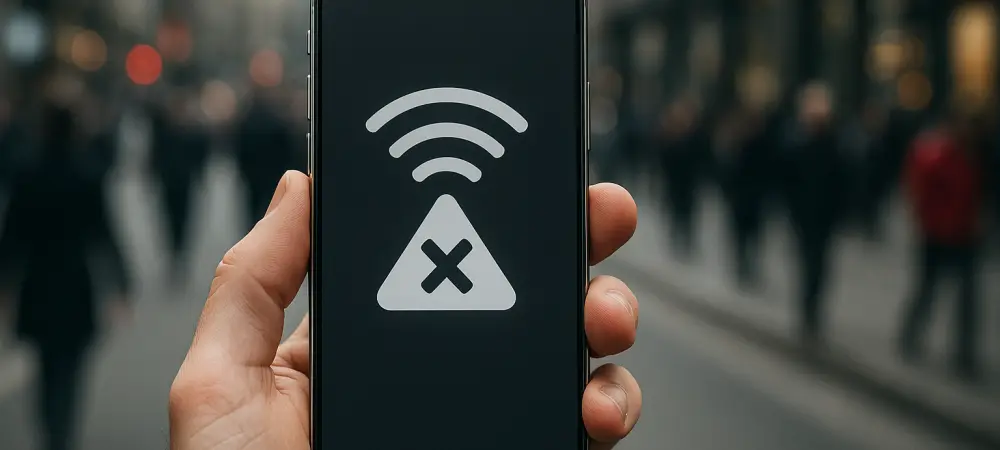
The situation is incredibly frustrating for users who invested £1,299 or more for a brand-new iPhone 18 Pro Max with 256GB of storage. While Apple intended this patch to stop the device from rebooting after a failed Face ID check, it seemingly failed to address a much deeper flaw in how the hardware communicates with the network. You can feel the anxiety of a customer looking at their status bar only to see an “SOS” symbol staring back at them instead of a functioning signal. It is clear that a simple software patch for biometric security was not enough to stabilize the underlying communication protocols required for the AT&T network.
Given that the iPhone 18 Pro and Pro Max utilize different modem hardware, how significant is the architectural split between Apple’s C2 and Qualcomm’s technology in this situation?
This is a fascinating hardware divergence where the smaller iPhone 18 Pro uses Apple’s proprietary C2 modem while the Pro Max relies on a Qualcomm unit. This explains why the standard Pro model is not suffering from these total blackouts, even though both devices are running the same iOS 27 software and 12GB of RAM. The Pro Max, which can cost up to €1,849 for the 512GB model, is essentially acting as a high-tech brick for many customers because the integration between the modem and the carrier isn’t seamless. It is a stark reminder that even the most premium hardware is only as good as its ability to maintain a basic handshake with a cell tower.
AT&T has been actively messaging customers about this update, yet reports suggest the fix is not working—what does this say about the current coordination between carriers and manufacturers?
It feels like a breakdown in communication where AT&T’s automated systems are promising a solution that the software simply does not deliver. These text messages urge immediate updates to iOS 27.0.1, claiming it restores the ability to complete calls, texts, and even 911 services. However, hearing the stories of users who still cannot send a simple text after the update is disheartening and potentially dangerous given the emergency implications. This disconnect between the carrier’s hopeful messaging and the actual user experience suggests that the validation process for this specific update was rushed.
How concerning is it that a flagship device like the iPhone 18 Pro Max is struggling with fundamental functions like emergency access on a major carrier?
It is deeply unsettling when the most advanced smartphone on the market fails at its most basic duty: keeping the user connected to safety. Seeing the “SOS” indicator is a visceral sign of a failed promise, especially for a device priced at £1,499 for the top-tier 512GB version. When a phone cannot “complete calls/text/data,” it ceases to be a tool and becomes a liability in a crisis. This widespread issue on the AT&T network highlights a critical vulnerability that both Apple and Qualcomm need to address with extreme urgency to restore consumer trust.
What is your forecast for the resolution of these iPhone 18 Pro Max connectivity hurdles?
I expect Apple will have to push a specific carrier settings update or a secondary iOS 27.0.2 patch within the next few days to fix the Qualcomm modem’s interaction with AT&T’s spectrum. The pressure is mounting because this is not just a minor bug; it is a total loss of service for a significant portion of their most premium user base. Once the handshake between the hardware and the carrier’s network is finally synchronized, we will likely see these connectivity issues vanish. Until then, the focus will remain on the silent, high-stakes collaboration between engineers to restore basic reliability to the Pro Max.