

The Surging Digital Transformation of the Sydney Metropolitan Area
Sydney is currently witnessing an unprecedented evolution in its urban landscape as massive industrial zones and residential plots undergo a rapid metamorphosis into high-capacity digital nerve centers. This monumental surge in digital infrastructure investment is defined by multi-billion-dollar filings for high-capacity data center campuses that promise to redefine the regional economy. Major players, including the Asia-Pacific specialist Princeton Digital Group and the Australian real estate giant Stockland, are spearheading this transformation. As the demand for cloud computing and artificial intelligence accelerates, the city’s suburban footprint is being aggressively reshaped to support the backbone of a digital-first society. This shift involves a sophisticated strategic transition in land use within the western and southwestern corridors of Sydney, specifically focusing on Campbelltown, Wetherill Park, and Kemps Creek. Traditional industrial and residential sites are being repurposed into energy-intensive hubs that provide the necessary scale for global tech operations. By analyzing current project filings and market trends, it becomes clear that Sydney has emerged as a critical nexus for global digital infrastructure. The scale of these investments indicates a long-term commitment to the region as a primary gateway for data processing and storage in the Southern Hemisphere.
From Industrial Roots to a Digital Future
The historical evolution of the industrial landscape in Sydney provides the necessary context for the current data center boom. For decades, the western suburbs served as the primary centers for manufacturing, logistics, and residential expansion. However, as the digital economy matured, the requirements for large-scale, high-power infrastructure began to outpace the needs of traditional industrial warehouses. Early telecommunications infrastructure and a stable regulatory environment laid the groundwork, making Sydney an attractive destination for institutional capital seeking long-term stability.
These historical factors created a path of least resistance for modern developers seeking the physical footprint required for massive data halls. Large, undeveloped land parcels and aging industrial sites offer the spatial capacity that newer urban developments lack. This transition represents a broader trend where digital infrastructure is no longer considered a niche sector but a core institutional asset class. Firms like Stockland, which previously focused on residential and commercial real estate, are now pivoting toward these high-tech assets to capitalize on the increasing value of land capable of supporting significant IT loads.
Strategic Drivers Behind the Australian Data Center Boom
The Strategic Pivot Toward High-Tech Land Use
A defining feature of the rise of Sydney is the strategic repurposing of land from residential or religious use toward high-density technological facilities. A prominent example is the entry of Princeton Digital Group into the market with “Project Genesis” in Campbelltown. This 12.7-hectare site was originally held by a religious order with intentions for a senior living development. The pivot to a 100MW data center underscores the immense value now placed on land that can support dense digital operations over traditional housing.
The challenges of such a pivot include managing substantial power requirements and ensuring that these facilities integrate with the surrounding community infrastructure. However, the benefits are significant, as data centers offer stable, long-term returns and address the regional demand for low-latency digital services. This movement highlights a growing consensus among developers that the highest and best use for large suburban plots in the current economic climate is digital infrastructure, which serves as a more resilient asset against market fluctuations.
The Rise of Hyperscale and High-Capacity Campuses
The scale of development in Sydney is reaching unprecedented levels, moving away from single-building projects toward massive hyperscale campuses. Stockland’s expansion at Kemps Creek serves as a primary example of this trend, with plans effectively doubling the capacity from 168MW to a staggering 365MW. These projects are specifically engineered to meet the colossal energy and space demands of global technology giants who require immense power to facilitate AI training and cloud services.
Executing these developments requires complex engineering and significant infrastructure investment, such as the construction of the Ropes Creek switching station. This 1GW substation is designed to handle the massive electrical loads required by a campus of this magnitude. The trend toward consolidation and refinement allows developers to maximize site density and operational efficiency. While this approach offers economies of scale, it also necessitates careful coordination with the power grid to ensure capacity remains robust for both industrial and residential users.
Sustainability and Infrastructure Resilience in Modern Design
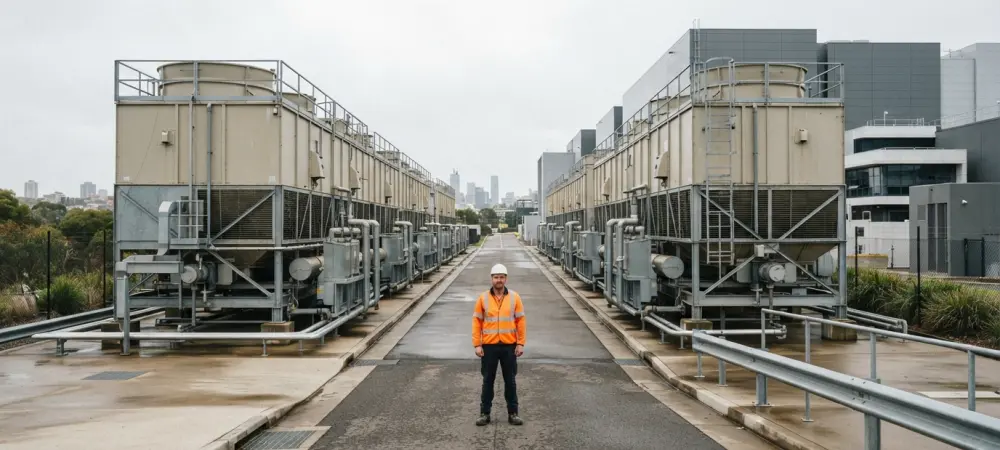
The current wave of investment is characterized by a rigorous focus on sustainability and energy resilience to meet modern environmental standards. Projects like the Wetherill Park facility are incorporating air-cooled chillers and closed-loop cooling systems to minimize water consumption, which is a vital consideration in the Australian climate. Furthermore, the integration of on-site Battery Energy Storage Systems and solar arrays is becoming standard practice for new developments.
There is a common misunderstanding that these facilities are merely energy sinks without environmental merit; however, modern design methodologies are making these centers more efficient than the legacy warehouses they replace. By building dedicated substations and investing in renewable energy integration, developers ensure that the digital backbone remains resilient against power fluctuations. These advancements allow the industry to meet environmental, social, and governance targets while providing the high-capacity infrastructure needed for the next decade of digital growth.
Future Trends in the APAC Digital Landscape
The future of the data center market in Sydney will likely be defined by deeper technological integration and evolving regulatory frameworks. An increase in “edge” computing facilities is expected to complement these massive suburban hubs, bringing data processing closer to the end-user for real-time applications. As AI demand continues to skyrocket, the density of power usage within these sites is predicted to climb even higher, requiring more advanced cooling solutions and sophisticated energy management systems.
Industry predictions suggest that Sydney will maintain its status as a top-tier destination for global capital throughout the late 2020s. There may be a shift toward more aggressive green energy mandates and a greater emphasis on sovereign data requirements, where local infrastructure is prioritized for national security and privacy. These changes will ensure that Sydney remains at the forefront of the global digital economy, adapting to the needs of a world that is increasingly dependent on rapid data transmission and secure storage.
Navigating the Shift to Digital Infrastructure
The primary takeaway from the current trajectory of Sydney is that data centers have evolved into the new essential utilities of the modern era. For businesses and investors, the strategy for success involves focusing on land with proximity to high-voltage power grids and established fiber routes. Understanding the technical requirements of hyperscale tenants, such as massive IT load capacity and water-efficient cooling systems, is essential for professionals in the real estate and technology sectors who wish to remain competitive.
Recognizing the long-term value of industrial-to-digital conversions allows stakeholders to capitalize on the shift toward high-tech land use. In real-world scenarios, this means prioritizing infrastructure resilience and sustainability in any large-scale development project to ensure longevity. As Sydney continues to build toward gigawatt-scale capacity, the city provides a global blueprint for how metropolitan areas can successfully transition their industrial bases into high-tech hubs that support the future of innovation.
Conclusion: Sydney as a Global Digital Powerhouse
The transition of Sydney into a multi-billion-dollar data center hub reflects a significant global shift toward a data-driven economic model. Strategic entries by major firms into Campbelltown and the massive expansions in Wetherill Park and Kemps Creek show that the scale of investment is a clear indicator of the city’s regional importance. These projects provide more than just digital storage; they establish the essential infrastructure required for the next generation of artificial intelligence and cloud-based innovation.
The growth of these digital hubs represents a permanent evolution of the urban and economic landscape. Enterprises that moved early to secure land near high-capacity power nodes successfully positioned themselves at the center of the APAC digital gateway. Future strategies should prioritize the integration of renewable energy sources and the development of modular data halls to maintain flexibility. As the digital economy matured, the commitment to infrastructure resilience became the primary factor distinguishing successful long-term developments from temporary industrial shifts.