

Dominic Jainy is a seasoned IT professional specializing in the physical infrastructure behind artificial intelligence and blockchain technologies. As Microsoft breaks ground on its ambitious 48MW Alviso campus in San Jose, Dominic explores how these massive projects reshape the digital economy and local land use. His expertise highlights the critical transition from leased spaces to self-owned hubs that define the modern technological landscape in Silicon Valley.
The shift toward self-owned, 48MW facilities represents a significant move away from relying on leased colocation spaces. What does this transition reveal about the strategic priorities of tech giants in Northern California?
This move signals a desire for absolute control over the infrastructure that powers our daily digital lives. By building their first self-owned facility in San Jose, Microsoft is moving away from third-party limitations to ensure they have the 48MW of capacity needed for future growth. You can feel the permanence in this $73.2 million land investment, which has been in the works since 2017. It shows that for a major player, owning the physical campus is the only way to guarantee the mission-critical performance that the modern market demands.
How do the labor requirements of 600 construction workers and 100 permanent staff reflect the economic integration of these facilities into the San Jose community?
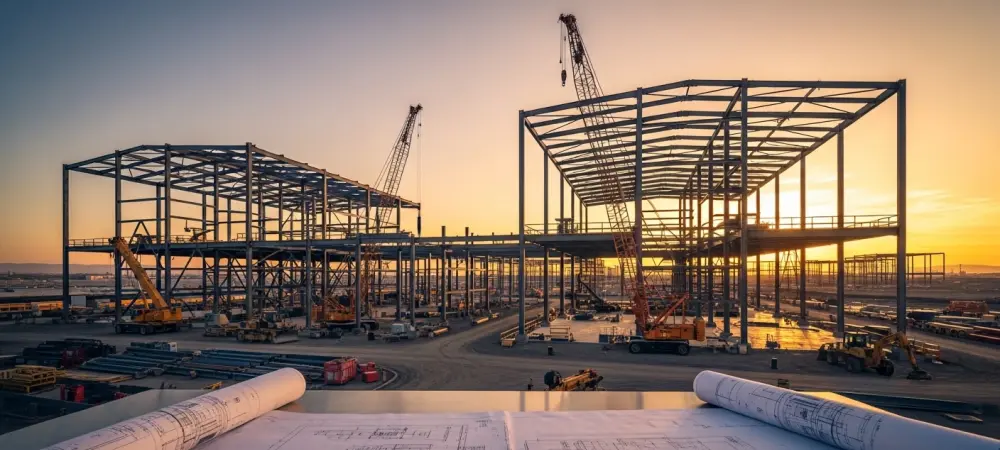
A project of this magnitude, led by HITT Contracting, acts as a massive economic engine for the region long before the first server is even plugged in. The 600 construction jobs create an immediate local benefit and a bustling, high-energy atmosphere at the Alviso-Milpitas Road site. Once the doors open in 2028, the 100 permanent roles offer stable, high-value employment that anchors families to the global tech sector. This effectively transforms a 64-acre property into a hub of technological growth and lasting investment that Trevor Coffey and Jonathan Noble believe will shape San Jose for decades.
With the 2028 completion date in mind, how will this campus and the Orchard Parkway site address the historical reliability challenges faced by the West US region?
The West US region has struggled with power interruptions and a lack of availability zone support, making this expansion a vital necessity for regional stability. By developing this 48MW campus alongside the 22-acre Orchard Parkway site purchased for $78 million in 2021, Microsoft is building the redundancy needed to prevent future outages. There is a palpable relief in the industry as these 2021 and 2017 acquisitions finally coalesce into a robust, hardened network. This dual-site strategy ensures that when the next phase of development is complete, the infrastructure will be as resilient as the software it hosts.
What is your forecast for the future of data center development in high-demand areas like San Jose?
I anticipate a future where the competition for power-ready land becomes even more intense, forcing companies to engage in more complex and socially sensitive redevelopments. We are already seeing a trend where every available 48MW block is being fought over, as evidenced by Microsoft’s long planning process for the Alviso site which previously served as a homeless encampment. Developers will have to become more creative and patient, navigating years of planning permissions to secure the 64-acre plots required for modern scale. Ultimately, the regions that can successfully balance these massive infrastructure needs with community engagement will be the ones that lead the next decade of technological innovation.