

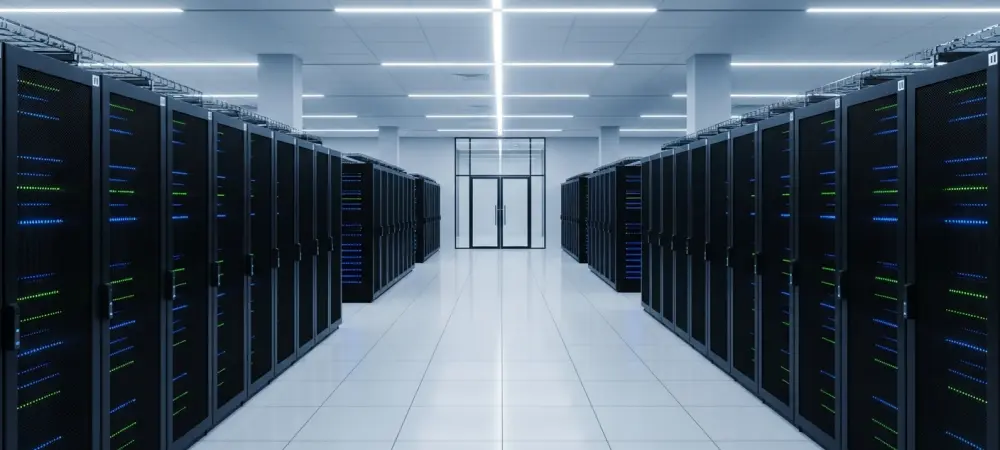
Establishing a robust digital presence in the current technological climate requires more than just high-end software; it demands a physical foundation capable of supporting relentless processing needs without incurring the astronomical costs of private facility construction. As organizations move away from the limitations of cramped onsite server rooms, the shift toward professionalized third-party environments has become a strategic necessity. This transition allows businesses to maintain absolute control over their proprietary hardware while offloading the heavy lifting of power management, cooling, and physical security to specialized experts.
The objective of this guide is to demark the complexities of the colocation market and provide a clear roadmap for those evaluating infrastructure alternatives. By exploring the nuances of service boundaries, financial structures, and technical requirements, readers will gain the insights needed to navigate this hybrid model effectively. This analysis serves as a foundational resource for decision-makers who must balance the need for direct hardware access with the benefits of enterprise-grade facilities that offer unmatched reliability and scale.
Key Questions and Strategic Considerations
What Defines the Strategic Value of Data Center Colocation?
At its core, colocation is a hybrid infrastructure model where a business rents physical space within a third-party facility to house its own servers and storage equipment. This approach effectively bridges the gap between the massive capital expenditure required to build a private data center and the convenience of cloud computing. While the cloud offers ease of use, it often comes at the price of unpredictable long-term costs and a lack of direct hardware control. Colocation provides a middle ground where companies can leverage high-tier power redundancies and advanced cooling systems without the burden of facility ownership.
The primary value lies in the democratization of enterprise-grade infrastructure. Smaller and mid-sized organizations, which might not have the capital to construct a facility with 99.999% uptime, can gain access to those exact same resources by sharing the overhead costs with other tenants. Moreover, because the business still owns the hardware, it retains full authority over configuration and security protocols. This ensures that sensitive data remains on private machines rather than in a shared virtualized environment, offering a level of transparency and predictability that many modern enterprises require.
How Are Responsibilities Divided Between the Provider and the Tenant?
Understanding the boundary of responsibility is essential for any organization moving its hardware into a third-party site. In a standard colocation agreement, the provider is essentially the landlord of the digital environment, responsible for the shell and core of the facility. This includes maintaining the physical floor space, the racks, the heavy-duty climate control systems, and the backup generators that keep the lights on during power outages. They ensure that the environment is always on, providing the critical utility infrastructure that modern high-density hardware demands. In contrast, the customer remains the sole owner and operator of the active components. This means the IT team is responsible for procuring, installing, and managing the actual servers, switches, and cabling. Furthermore, the provider does not typically touch the software stack; managing the operating systems, applications, and cybersecurity measures remains the duty of the tenant. While some facilities offer on-site support services for a fee, the baseline expectation is a clear separation where the provider manages the building while the customer manages the equipment.
What Are the Primary Drivers of Colocation Pricing?
Navigating the financial landscape of colocation requires an understanding that costs are rarely fixed and are instead influenced by several moving parts. The most basic component is the monthly recurring cost for the physical footprint, which is usually determined by the number of rack units or full cabinets reserved. However, the most significant variable is often power. Some providers utilize a fixed circuit model, while others use metered billing, where the tenant pays specifically for the kilowatt-hours their equipment consumes. Beyond space and power, connectivity plays a massive role in the total cost of ownership. This includes the fees for cross-connects, which are the physical cables connecting a tenant’s rack to various internet service providers or telecommunications carriers housed in the same building. Bandwidth and data transfer rates also factor into the monthly bill. Generally, organizations find that while month-to-month contracts offer flexibility, committing to multi-year agreements provides the most substantial discounts, making long-term planning a vital part of the procurement process.
Why Is Spatial Planning Using Rack Units So Critical?
To maximize the return on investment, a business must accurately calculate its spatial requirements before signing a lease. The industry standard for measurement is the Rack Unit, which is approximately 1.75 inches of vertical space. Most enterprise-grade servers are 1U or 2U in height, but it is a common mistake to overlook the space needed for peripheral equipment. Network switches, firewalls, and power distribution units all consume vertical space within a rack, and failing to account for these can lead to cramped and inefficient configurations.
There is also an economic scaling factor to consider when choosing how much space to rent. Purchasing a handful of individual rack units is often priced at a premium compared to leasing a half or full cabinet. Many growing organizations find it more efficient to lease more space than they currently need. This allows for seamless future expansion without the logistical nightmare of a physical migration to a larger area later. By planning for growth from the start, companies ensure their infrastructure remains scalable as their data processing needs evolve.
How Does Geography Impact Performance and Compliance?
The physical location of a data center is not just a matter of convenience; it is a critical factor in both performance and legal compliance. Proximity to the end-user base is the most effective way to reduce latency, ensuring that applications respond quickly and reliably. However, businesses must also consider the proximity to their own IT staff for emergency maintenance. A balance must be struck between being close to the customers and being accessible enough for the team to perform necessary hardware swaps or physical audits. Furthermore, the legal jurisdiction of the facility has significant implications for data sovereignty. Different regions have varying regulations regarding how data must be stored and protected. For instance, companies handling sensitive personal information must ensure their chosen data center complies with strict local laws to avoid heavy fines. Choosing a carrier-neutral facility in a strategic location also provides a competitive edge, as it allows the tenant to choose from multiple network providers, fostering a more resilient and cost-effective connectivity ecosystem.
Summary of Infrastructure Insights
The shift toward colocation was driven by the urgent need for high-density power and cooling that traditional on-premises server rooms were never designed to provide. As artificial intelligence and high-performance computing tasks became more common, the limitations of older facilities became glaringly obvious. Industry experts reached a consensus that successful deployment hinges on a detailed audit of power needs and a robust strategy for remote management. While the customer retained the responsibility for hardware maintenance, the trade-off was a significantly more resilient and scalable environment than any private office could reasonably offer. Strategic decision-makers focused on the total cost of ownership rather than just the initial monthly rent. They recognized that the value of a carrier-neutral environment and the security of a professional facility far outweighed the logistical hurdles of managing hardware at a distance. By prioritizing reliability and geographic positioning, these organizations ensured that their underlying infrastructure could support long-term technological goals. The move to colocation represented a move toward professionalization, where infrastructure was treated as a vital utility rather than a back-office afterthought.
Final Thoughts on Modern Deployment
Looking ahead, organizations should evaluate their current hardware lifecycle and determine if their existing environment can handle the next generation of high-heat, high-power equipment. If the current facility is struggling with cooling or power stability, investigating a colocation partnership is the logical next step. It is advisable to begin by auditing current power consumption and identifying which applications require the lowest latency to determine the ideal geographic region for a new deployment.
The next phase of infrastructure management will likely involve even greater integration between physical hardware and automated orchestration tools. Companies should look for providers that offer advanced environmental monitoring and “Remote Hands” services to further minimize the need for on-site visits. By aligning physical infrastructure with a long-term digital strategy, businesses can create a flexible foundation that is ready for whatever technological shifts the coming years may bring. Consideration of environmental impact and energy efficiency will also play an increasingly important role in selecting the right partner for the future.