

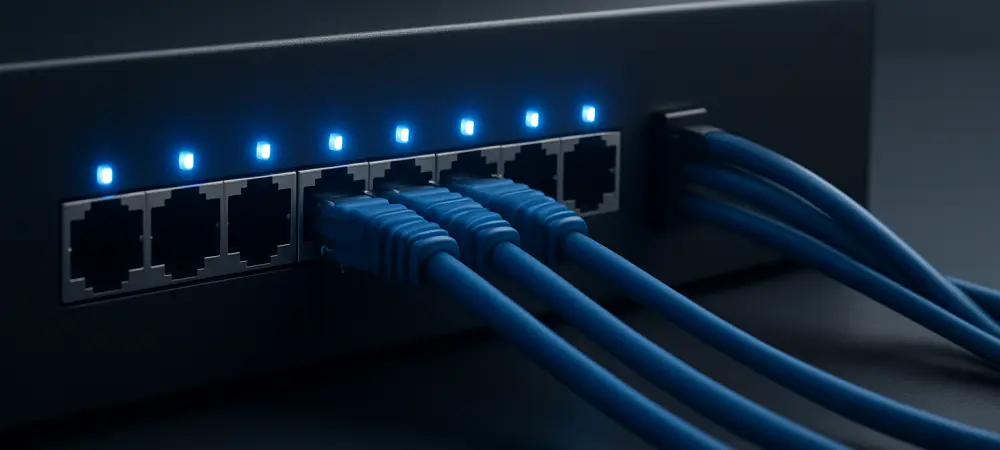
The modern digital perimeter has shifted from the ephemeral software layer to the very hardware and recovery systems that underpin organizational survival in a hyper-connected global economy. As businesses increasingly rely on edge networking and backup solutions to maintain continuity, these components have become the primary focus of sophisticated threat actors. In 2026, the stability of an organization is no longer measured solely by its firewall strength but by the integrity of its underlying infrastructure assets.
The evolution of cyber tactics shows a clear transition from targeting high-level applications to exploiting foundational hardware. This shift is particularly dangerous because infrastructure-level compromises often grant persistent access that is difficult to detect using traditional security tools. By weaponizing the very tools meant to protect and recover data, attackers can bypass several layers of defense with a single successful exploit.
The convergence of IT and OT environments has further expanded the potential blast radius of these hardware vulnerabilities. A breach in a network switch or a backup agent can ripple through an entire ecosystem, affecting everything from data storage to physical manufacturing lines. Consequently, the CISA Known Exploited Vulnerabilities catalog has become a vital strategic resource for global defense, providing a prioritized roadmap for remediation in an increasingly volatile environment.
The Escalating Landscape of Infrastructure-Targeted Cyber Attacks
The current threat landscape is characterized by a deliberate focus on the “plumbing” of the internet, where network switches and backup servers reside. Security researchers have noted that as software-layer defenses improve, adversaries are moving deeper into the stack to find unpatched firmware and administrative protocols. This strategic pivot allows attackers to establish a foothold that remains even after standard software reboots or application patches are applied.
Moreover, the integration of edge devices into core business processes has turned localized hardware flaws into systemic risks. When a foundational component like a Zyxel switch is compromised, the attacker gains the ability to monitor internal traffic and move laterally with ease. This reality has forced a re-evaluation of how organizations perceive their hardware assets, moving them from passive utilities to active participants in the security posture.
Emerging Vulnerability Trends and Market Impact
Rapid Weaponization and the Shift Toward Multi-Platform Campaigns
The window of time between the disclosure of a vulnerability and its active weaponization has effectively vanished in 2026. Analysis shows that functional exploits are often deployed within days of a patch release, leaving IT teams in a constant state of reactive urgency. This rapid turnaround is exemplified by the Zyxel buffer overflow flaw, which saw widespread exploitation almost immediately after its technical details became public. Sophisticated actors, such as the group identified as Red Heron, are now executing multi-platform campaigns that target diverse ecosystems simultaneously. These operations do not discriminate between Linux kernels, content management systems, or networking hardware. Instead, they leverage a broad portfolio of exploits to maximize their reach, transitioning from simple opportunistic scanning to organized exfiltration efforts aimed at high-value configuration data.
Growth Projections for the Cybersecurity Remediation Market
Enterprise spending on automated patch management and vulnerability prioritization tools is projected to rise significantly from 2026 to 2028. This growth is driven by the realization that manual intervention is no longer sufficient to counter the speed of modern exploits. Organizations are prioritizing solutions that can handle the complexity of firmware updates across thousands of geographically dispersed devices without causing operational downtime.
There is also a surging demand for hardware-level security auditing and continuous firmware integrity monitoring. The economic impact of infrastructure downtime, especially when it involves the failure of backup systems like Veeam, has made these investments a board-level priority. Preventing a single day of network paralysis often justifies the entire annual budget for proactive remediation tools and specialized security talent.
Critical Challenges in Securing Legacy and Distributed Systems
Securing legacy networking hardware such as the Zyxel GS1900 series presents significant logistical obstacles for modern enterprises. Many of these devices are located in remote offices or difficult-to-reach data centers where manual updates are impractical. This geographical dispersion often leads to a “patching gap” where critical hardware remains vulnerable for months despite the availability of security fixes. Local privilege escalation risks in trusted backup agents, such as the Veeam Agent for Windows, introduce a different kind of complexity. These flaws allow an attacker with basic access to elevate themselves to system-level authority by hijacking session management protocols like gRPC. Detecting such movements requires deep visibility into administrative traffic, a capability that many security teams are still struggling to implement effectively.
Technical hurdles, including the detection of obfuscated Python scripts and unauthorized TFTP data transfers, continue to plague defensive efforts. Attackers use these methods to hide their activities within the noise of standard network operations, making it difficult for automated systems to trigger alerts. Overcoming this requires a more nuanced approach to traffic analysis and a reduction in the “patching fatigue” that currently hampers overextended security departments.
The Regulatory Response and Compliance Mandates
The CISA Federal Civilian Executive Branch directive has established firm deadlines for the remediation of these specific Zyxel and Veeam vulnerabilities. By requiring agencies to apply patches by late September 2026, the government is emphasizing the critical nature of infrastructure security. This federal mandate often serves as a catalyst for the private sector, influencing everything from corporate policy to cybersecurity insurance requirements.
Compliance standards are also shifting toward more rigorous oversight of session management and communication protocols. Regulations now frequently demand that organizations demonstrate secure-by-design principles in both their internal developments and their third-party procurement processes. This regulatory pressure is forcing manufacturers to provide more transparent update paths and more secure default configurations for their hardware products.
The Future of Infrastructure Defense and Threat Mitigation
The transition toward Zero Trust Architecture is becoming the standard for organizations looking to limit the impact of lateral movement. By treating every network segment as potentially compromised, businesses can implement more granular controls that prevent a single hardware flaw from leading to a total system failure. This approach is essential in a world where foundational infrastructure is a constant target for foreign threat actors.
Future innovations are expected to focus on AI-driven anomaly detection specifically tuned for network configuration changes. These systems will be capable of identifying the subtle signs of a firmware compromise that traditional antivirus software might miss. Additionally, the move toward immutable backups and hardware-rooted identity will provide a much-needed layer of resilience against ransomware and data exfiltration campaigns.
Strengthening Resilience Against Foundational Security Flaws
The risks posed by the Zyxel and Veeam exploits demonstrated the urgent need for a more proactive approach to data integrity. Organizations recognized that the gap between vulnerability disclosure and remediation was a primary point of failure for global security. By prioritizing the health of foundational infrastructure over simple software maintenance, businesses managed to build more robust defenses. Cross-sector collaboration emerged as a vital component in the fight against sophisticated threat actors who utilized multi-platform strategies. This shift in focus ultimately helped stabilize the cybersecurity landscape by addressing the root causes of systemic vulnerability. Security leaders moved toward automated remediation and continuous monitoring to ensure that their recovery systems remained untainted. These efforts fostered a more resilient digital environment that was better prepared for the evolving tactics of 2026.