

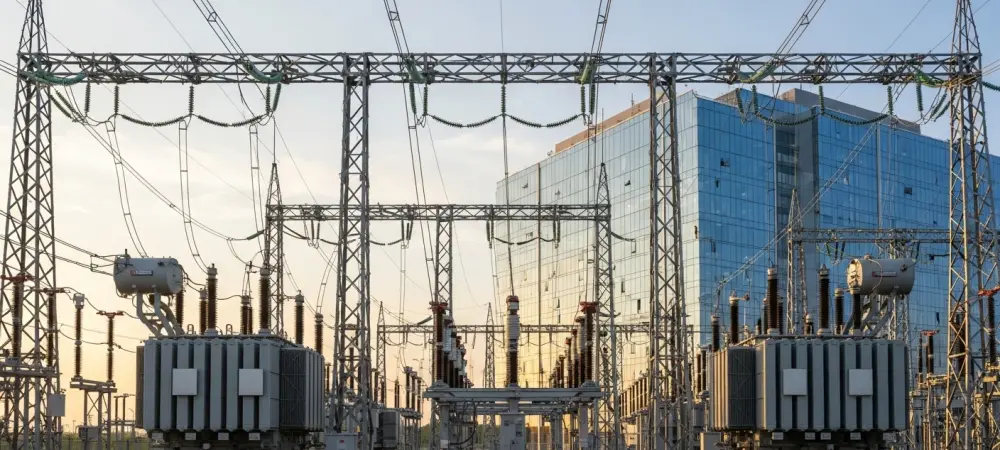
The massive electrical grids that once fueled the intense heat of aluminum smelting are now providing the lifeblood for the global digital revolution through a radical industrial transformation. Alcoa is currently breathing new life into the towering stacks and sprawling footprints of its former smelters. By aggressively pivoting to monetize ten curtailed industrial sites, the company is selling these assets to data center developers. This strategic shift represents a pragmatic evolution where the ghosts of heavy industry provide the foundation for the cloud.
The High-Voltage Pivot: From Molten Metal to Massive Servers
The global demand for data processing continues to skyrocket, yet developers face massive bottlenecks in land acquisition and power procurement. Alcoa’s brownfield locations solve these problems by offering high-capacity power transmission infrastructure and favorable industrial zoning. In this new market, the value of a facility is measured by its existing grid connection and its ability to host gigawatt-scale high-tech campuses.
Why Legacy Industrial Sites Are the New Gold Mine
Smelting stands as one of the most energy-intensive processes on earth, leaving behind massive electrical substations that would take years to build from scratch. These locations offer thousands of acres of pre-cleared land ready for heavy-load infrastructure, bypassing the delays of environmental clearances required for greenfield sites. Strategic assets in Washington, Indiana, and New York provide the geographical diversity necessary for a resilient digital network.
The Infrastructure Advantage: Power, Space, and Zoning
Industry leaders have already demonstrated the viability of this conversion through significant acquisitions. The former Eastalco Works in Maryland now functions as a 2,100-acre data center park, securing major tenants like Amazon. Similarly, TeraWulf acquired a Kentucky facility for $200 million specifically to capitalize on its 480MW power capacity, illustrating the premium placed on legacy industrial energy access.
Real-World Transformations: Maryland and Kentucky Lead the Way
Alcoa expected to finalize its first major sale quickly as the company offloaded facilities affected by global curtailment. This move allowed the firm to shed maintenance costs while participating in the growth of the digital economy. The transition proved that the physical relics of the manufacturing era could be repurposed into vital nodes for artificial intelligence and cloud computing.
How to Identify and Evaluate Industrial-to-Digital Conversions
Successful transitions relied on rigorous assessments of grid reliability and the stability of existing substations. Developers implemented remediation strategies to address industrial legacies while securing local incentives that turned manufacturing tax breaks into digital infrastructure credits. Proximity to fiber-optic backbones ensured that these revitalized hubs remained competitive in a high-speed economy.