

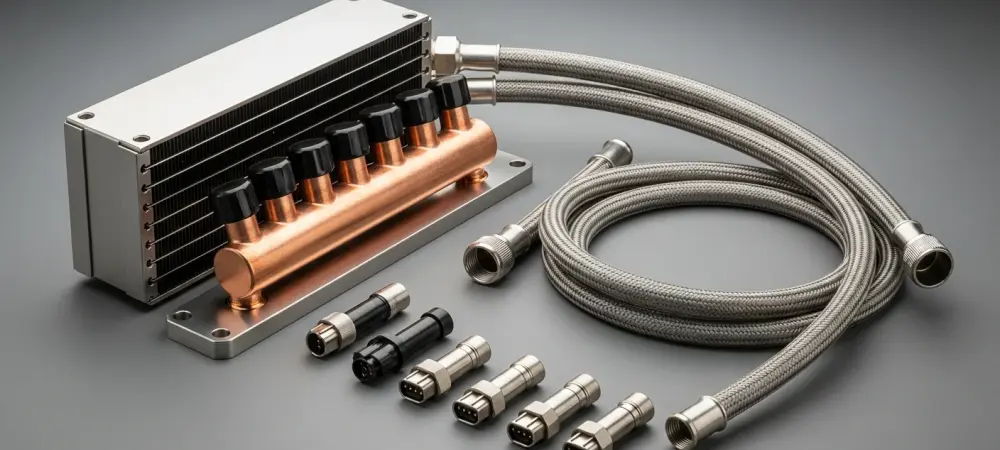
The exponential growth of high-performance computing and artificial intelligence workloads has pushed modern data center thermal management to its breaking point, requiring a fundamental shift from air to liquid cooling solutions. As rack densities exceed fifty kilowatts, traditional fans and chilled air systems can no longer effectively dissipate the concentrated heat generated by next-generation processors and specialized hardware. In response to this mounting crisis, Nexalus and Alps Alpine have established a strategic partnership to manufacture and scale advanced liquid-first thermal management systems. This alliance combines the thermal science expertise of Nexalus with the global manufacturing prowess and logistical capabilities of Alps Alpine. By integrating these strengths, the collaboration aims to provide a reliable, industrial-grade platform that addresses the mission-critical cooling needs of the current digital infrastructure landscape. This synergy allowed for the creation of standardized, high-performance architectures that can be deployed rapidly across various global regions, ensuring that data center operators maintain operational stability despite the rising thermal demands of modern workloads.
Industrializing Thermal Innovation in Ireland
Under the terms of this strategic agreement, Alps Alpine serves as the lead manufacturer and systems integrator, utilizing its sophisticated facility in Millstreet, County Cork, Ireland. This specific location carries a significant heritage in technology production, having originally functioned as an information and communications technology manufacturing hub for Apple, and now provides the disciplined environment necessary for high-volume liquid cooling production. Nexalus utilizes this infrastructure to implement its proprietary cooling architectures while adhering to rigorous automotive-grade manufacturing standards and green procurement protocols. The technological focus remains primarily on direct-to-chip liquid cooling, a method that is becoming indispensable as electrical systems generate unprecedented heat loads. This approach ensures that cooling fluid is delivered exactly where it is needed most, significantly reducing the energy overhead associated with traditional cooling methods. Furthermore, the integration of these systems into established server lines, such as those from Hewlett Packard Enterprise, demonstrates that the technology is no longer experimental but is fully ready for large-scale enterprise adoption across the globe.
Sustaining Growth Through Thermal Energy Recovery
The implementation of this cooling platform extended beyond simple heat dissipation to include the innovative recycling of thermal energy for external applications. By capturing excess heat at the source, the system enabled data centers to contribute to district heating networks, turning a waste product into a valuable community resource. This shift aligned perfectly with global sustainability targets and improved the overall energy reuse effectiveness of modern facilities. Moving forward, stakeholders prioritized the adoption of standardized liquid cooling kits to ensure traceability and reliability across their global footprints. The partnership established a blueprint for how technical innovation and manufacturing scale functioned together to solve the industry’s most pressing efficiency challenges. Enterprises that transitioned to these liquid-first architectures managed to reduce their operational carbon footprint while supporting the densification of their compute resources. Industry leaders focused on long-term infrastructure resilience, recognizing that the ability to manage heat was no longer a secondary concern but a primary driver of competitive advantage and environmental responsibility in a power-constrained world.