

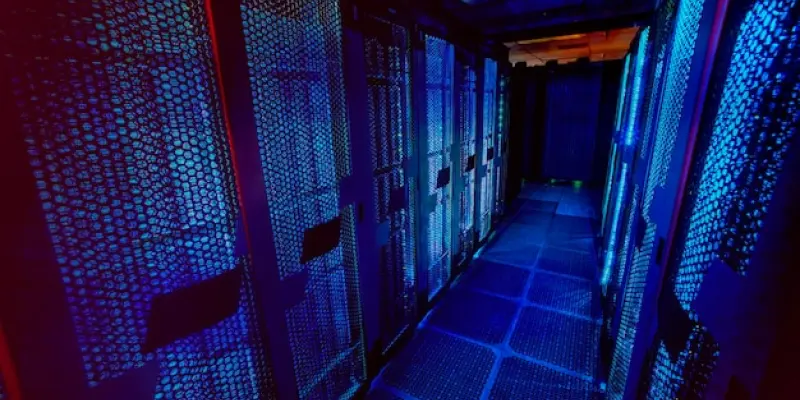
The rapid pace of digital transformation and technological innovation in the Asia-Pacific region has spotlighted Japan, particularly the Kansai area, as a pivotal player in hosting next-generation data centers. Due to its scientific and cultural significance, as well as the increasing demand for digital infrastructure, Kansai offers an ideal locale for expanding data center capacity. The joint venture between ESR and Stack, marked by the groundbreaking of their data center campus in Keihanna, is a testament to this strategic shift, as evidenced by the planned capacity of 72 MW over a 53,110 sqm space. This initiative is not merely about geographic expansion; it symbolizes a broader vision to capitalize on escalating demand in APAC, with the first facility slated to offer 18 MW of capacity by the second quarter of 2027. The ambition behind this development captures both companies’ intent to leverage their presence in Asia, promising robust data infrastructure to cater to burgeoning needs.
Catalysts for Growth in Kansai
Japan’s Kansai region is projected to witness a twofold increase in critical IT load capacity within the next five years, underscoring an urgent and substantial demand for advanced data centers. This surge in necessity aligns with the growth of cloud services and increased data generation across various industries, portraying Kansai as an epicenter for digital connectivity. Aided by ESR’s vast real estate portfolio in APAC and significant local expertise, the development of large-scale data infrastructure in the region is expedited. Collaborations such as the one between ESR and Stack lend momentum to strategic market positioning, tapping into Kansai’s reputation as a scientific hub. Furthermore, Stack’s stronghold as a US-based firm with an international presence underscores the significance of the Japanese market within their overarching APAC strategy. These dynamic elements coalesce to foster a technologically forward-thinking locale, providing fertile ground for substantial data center expansion.
Collaboration and Strategic Growth
The partnership between ESR and Stack unveils a synergy that is instrumental to breaking new ground not only in Kansai but across Asia’s digital landscapes. Their collaborative venture reflects each company’s unique strengths and shared vision, aiming to capture high-growth opportunities in a rapidly evolving industry. This union has previously proven fruitful in their endeavors in South Korea, setting a precedent for successful deployment in Japan. By committing to community engagement, investor value, and market strategy, the Kansai expansion is framed as more than mere infrastructural development; it is an investment in a future shaped by technological innovation. This project may very well redefine Japan’s data center landscape and foster broader regional growth, introducing new norms in data management and utilization. In embracing this challenge, ESR and Stack exemplify a commitment to fostering digital advancement, aiding the evolution of both local and regional technological ecosystems.