

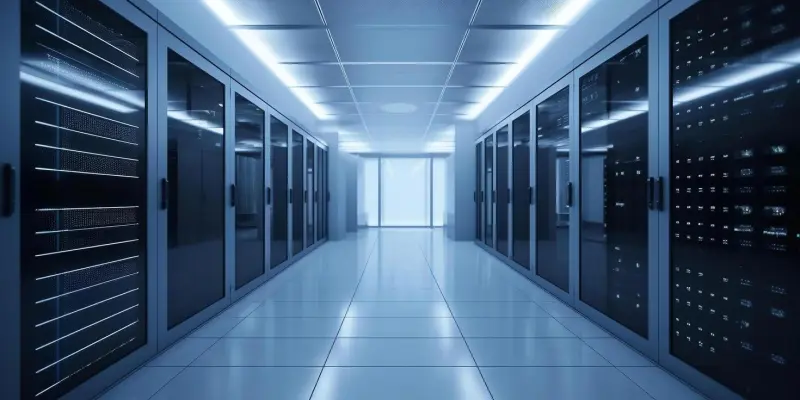
In the evolving landscape of data center operations, traditional methods of assessing capacity demand a critical review, particularly the widespread reliance on power consumption metrics measured in megawatts. This approach, akin to appraising a car’s size by its fuel capacity, overlooks significant factors that define true capability. This article delves into these shortcomings and presents a more comprehensive strategy for measuring data center capacity that goes beyond simplistic power input metrics.
The Limitations of Power-Based Metrics
Power as a Simplified Measure
The practice of using power consumption as a primary metric to gauge data center capacity is grounded in simplicity, equating more power with greater workload potential. Yet, while this method offers an initial straightforward assessment, it substantially fails to capture the multifaceted realities of data center operations. Power input alone does not reflect the intricacies of server functionalities and the diverse elements integral to sustaining these environments. The assumption that higher power input directly correlates with increased capacity ignores the myriad factors at play, such as technological variations and unique infrastructure dependencies. Hence, a sole reliance on power offers an incomplete, often misleading representation of capability, underscoring the need for a broader consideration of metrics.
The Gap in Understanding Capacity
The misconception that capacity is solely a function of power consumption leads to overlooked dynamics essential to understanding data center efficiency. Server power needs fluctuate based on internal components, types of workloads, and the efficiency of cooling systems. Such variability illustrates why a linear association between power input and server capacity can lead to misjudgments. The requirements differ across setups, necessitating a nuanced recognition of the roles played by these components. Inadequate acknowledgment of these variables can impede operational optimization and resource management, highlighting the importance of a sophisticated evaluation system that encompasses all significant aspects and aligns with the complex nature of modern data centers.
Unpacking Data Center Complexity
Physical Dimensions and Layout
The physical attributes of a data center, including the building size, server rack layout, and arrangement, are pivotal in determining its operational capacity and workload potential. These elements, while seemingly basic, play a critical role in defining how many servers can be accommodated and thus the scale of capabilities each center can support. Such factors must be considered independently from power metrics, as they can expand or limit capacity regardless of energy input levels. By focusing solely on power, crucial insights into spatial structuring and efficient space utilization are missed. As data centers evolve into more modular and dense setups, recognizing the importance of physical dimensions becomes paramount in accurately measuring facility capacity.
Role of Cooling and Network Infrastructure
Cooling mechanisms and network architectures profoundly impact data center operations but often receive inadequate attention when capacity is evaluated solely on power input. Cooling systems directly influence server performance by maintaining optimal operating temperatures, thereby safeguarding against overheating and maintaining efficiency. Similarly, network infrastructure plays a critical role in workload handling, determining data flow efficiency and inter-server communication capabilities. These components work collaboratively to enhance operational output, underscoring their importance in capacity appraisal. A comprehensive evaluation of a data center must integrate these influential factors to identify potential bottlenecks or areas for enhancement, ensuring more effective resource allocation and operations management.
Embracing a Multi-Factor Approach
The Importance of Power Efficiency
Power efficiency, measured by Power Usage Effectiveness (PUE), provides deeper insights into how well a data center uses its energy resources. By enabling a more efficient conversion of energy into computational workload support, PUE offers an advanced metric that moves beyond mere wattage. Effective energy management strategies, including cutting-edge cooling techniques like immersion cooling, highlight how power efficiency vastly enriches capacity understanding. These strategies not only optimize energy consumption but enable centers to support more workloads than those indicated by their raw power capacities. Evaluating data centers through the lens of power efficiency is essential for acquiring an accurate estimate of capability and workload handling proficiency.
Broader Metrics for Capacity Evaluation
In the ever-changing realm of data center operations, traditional methods of evaluating capacity demand a thorough re-examination. One commonly used technique relies heavily on power consumption metrics, which are gauged in megawatts. This method, however, is akin to judging a car’s capability based solely on its fuel tank size, disregarding other vital elements that contribute to its true functionality. By focusing solely on megawatts, data centers may miss critical aspects that signify their actual operational strength. Therefore, a broader perspective is required to accurately assess data center capacity. This article explores the limitations of current approaches and advocates for a more holistic method that transcends basic power input figures. By incorporating various factors such as cooling systems, processing efficiency, and spatial configurations, a more nuanced and precise understanding of a data center’s true capacity can be achieved, ensuring a better alignment with modern demands.