

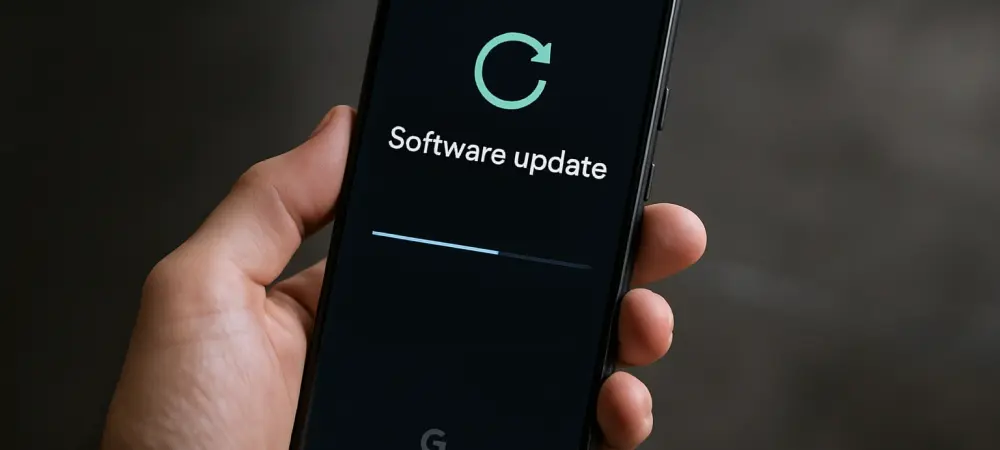
In the ever-evolving world of Android smartphones, a persistent gap in software update delivery has sparked frustration among users and raised questions about fairness in the ecosystem. Google’s Pixel devices consistently receive the latest Android versions, security patches, and innovative features well before other manufacturers, particularly Samsung, the largest Android OEM outside China. This disparity isn’t just a minor inconvenience; it affects millions of Galaxy users who often wait months for updates that Pixel owners access almost instantly. The issue goes beyond mere timing—it reflects a deeper structural imbalance within Android’s framework, where Google plays the dual role of OS developer and hardware competitor. This dynamic creates an uneven playing field, leaving Samsung at a disadvantage despite its massive market share. As the gap widens, understanding the reasons behind Google’s update dominance over Samsung becomes crucial for assessing the health of the broader Android landscape.
The Structural Advantage of Pixel Devices
Google’s control over Android gives Pixel devices an inherent edge in the update race, a reality that shapes the entire Android ecosystem. As the creator of the operating system, Google can roll out new versions, security patches, and features directly to Pixel phones without the delays that other manufacturers face. This isn’t merely a matter of speed; it’s about priority. Features like advanced network defense and live threat protection often debut on Pixel devices months before they trickle down to other Android handsets. For Samsung, which sells far more devices than Google, this creates a frustrating bottleneck. Galaxy users, even those with premium flagship models, are frequently left waiting for updates that have already been tested and refined on Pixel hardware. This structural advantage isn’t just a technical quirk—it’s a strategic move that bolsters Google’s hardware ambitions while challenging the competitiveness of partners like Samsung in a crowded market.
The implications of this prioritization extend beyond user experience to the very perception of brand reliability. When Pixel devices showcase cutting-edge Android builds, they set a benchmark that other manufacturers struggle to match. Samsung, despite its resources and scale, must adapt Google’s updates to its custom One UI software, a process that adds layers of complexity and time. This adaptation often results in significant delays, even for high-end devices costing over $1,000. While Google pushes forward with previews of future Android iterations, Galaxy users are sometimes still awaiting the current version, amplifying a sense of being left behind. This gap not only frustrates consumers but also risks eroding trust in Samsung’s ability to deliver timely software support. The structural dynamics at play here reveal a fundamental tension: Google’s dual role as both supplier and rival inherently tilts the balance in favor of Pixel, raising questions about fairness across the Android platform.
Samsung’s Chronic Update Challenges
Samsung’s struggles with update rollouts have become a recurring theme, casting a shadow over its otherwise dominant position in the Android market. Despite promises to improve, the company often lags behind Google in delivering major software updates to Galaxy devices. For instance, while Pixel phones are already testing early builds of upcoming Android versions, many Samsung users face uncertainty about when—or if—their devices will receive the latest OS. This delay isn’t just a technical issue; it’s compounded by poor communication, leaving customers in the dark about release timelines. Even newer models like foldable devices sometimes ship with the latest software, while existing flagship owners wait indefinitely. Such inconsistencies highlight a deeper operational challenge for Samsung, where the sheer volume of devices and variations in hardware complicates a streamlined update process, creating a stark contrast to Google’s focused Pixel lineup.
Beyond logistical hurdles, Samsung’s update delays carry significant consequences for user satisfaction and market perception. When consumers invest in premium Galaxy devices, they expect a level of software support that matches the price tag. Yet, the reality often falls short, with delays stretching into months for critical security patches or feature enhancements. This not only impacts day-to-day usability but also raises concerns about device security in an era where cyber threats are ever-present. Meanwhile, Google’s Pixel phones receive monthly patches without fail, reinforcing their image as the gold standard for Android updates. For Samsung, the inability to keep pace risks alienating a loyal customer base and provides competitors with an opportunity to capitalize on this weakness. The chronic nature of these delays suggests that without a fundamental overhaul of its update strategy, Samsung may continue to struggle against Google’s relentless pace.
Systemic Flaws in the Android Ecosystem
At the heart of the update disparity lies a systemic flaw in how the Android ecosystem operates, favoring Google’s interests over those of its partners. Google’s dual role as both the developer of Android and a hardware manufacturer creates an inherent conflict. By prioritizing Pixel devices with early access to new features and updates, Google not only enhances its own products but also undermines the competitiveness of other Android OEMs like Samsung. This imbalance isn’t just about speed—it’s about influence. Samsung, despite its massive sales figures, lacks the same level of control over Android’s development and rollout schedule. The result is a fragmented ecosystem where Pixel users enjoy a seamless, cutting-edge experience, while Galaxy users often feel like second-tier customers, even on flagship hardware. This dynamic raises serious questions about the long-term sustainability of Android’s collaborative model.
The broader implications of this systemic issue could reshape the Android landscape if left unaddressed. There’s growing speculation that major OEMs like Samsung might explore alternatives to Google’s Android, inspired by moves from other manufacturers seeking independence through proprietary operating systems. Such a shift would represent a seismic change, potentially fragmenting the Android ecosystem further and weakening its position against competitors. For now, Samsung remains tethered to Android, but the frustration over update disparities could push the company to rethink its dependency. The risk isn’t just theoretical; it’s a tangible threat to Android’s unity. If Google continues to prioritize Pixel at the expense of partners, the resulting tension could drive a wedge between key players, challenging the platform’s dominance. Addressing this flaw requires a reevaluation of how updates are managed to ensure a more equitable distribution of resources across all Android devices.
Looking Ahead to a Balanced Future
Reflecting on the persistent gap between Google’s Pixel and Samsung’s Galaxy updates, it’s clear that the issue has deepened tensions within the Android ecosystem over time. The structural advantages that favor Pixel devices, coupled with Samsung’s chronic delays, have created a divide that frustrates users and strains partnerships. Google’s dual role as both OS developer and hardware competitor has consistently tipped the scales, leaving Galaxy owners waiting for software that Pixel users enjoyed months earlier. Samsung’s operational challenges and communication missteps have only compounded the problem, eroding trust among its vast user base. Looking back, the systemic flaws in Android’s framework have posed a real risk to the platform’s unity, with speculation about OEMs seeking alternatives lingering as a warning sign. Moving forward, a balanced future demands concrete steps— Google must rethink its prioritization to level the playing field, while Samsung should streamline its processes. Collaborative solutions, such as shared early access to updates, could bridge the gap. Without such changes, the Android ecosystem risks further fragmentation, and stakeholders must act to preserve its strength.