

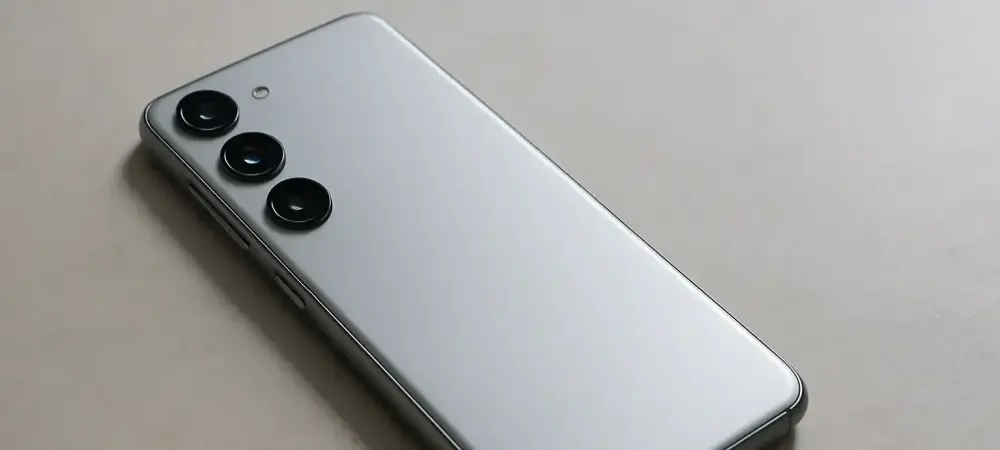
In an era where tech giants battle for consumer attention, Samsung has made a striking move by radically simplifying its product offerings, a shift that could redefine how flagship devices are perceived in the competitive landscape. This bold pivot toward a streamlined strategy is not just about cutting models but about sharpening focus in a market overwhelmed with choices. The significance of this trend lies in its potential to reshape brand identity and consumer decision-making, as Samsung hones in on polarized offerings for distinct user needs. This analysis delves into the specifics of Samsung’s upcoming Galaxy S26 smartphone series and Galaxy Tab S11 tablet lineup, exploring the elimination of mid-tier models and the broader implications of this strategic overhaul.
Samsung’s Pivot: Phasing Out Mid-Tier Models
Smartphone Lineup: Galaxy S26 Plus Out, S26 Edge In
Samsung’s smartphone strategy is undergoing a notable transformation with the discontinuation of the Galaxy S26 Plus, signaling an end to a long-standing mid-tier flagship option. This decision marks a departure from the traditional lineup structure, leaving the standard Galaxy S26 and a new model as the core offerings. The move suggests a deliberate effort to reduce redundancy in product tiers and push consumers toward more defined choices within the brand’s ecosystem.
Replacing the Plus variant is the Galaxy S26 Edge, a second-generation thin-design smartphone poised to bring innovative aesthetics to the forefront. This model aims to captivate users with its sleek form factor, potentially setting a new benchmark for flagship design. The emphasis on unique visual and functional appeal hints at Samsung’s intent to differentiate its high-end offerings through cutting-edge style rather than incremental upgrades.
However, ambiguity surrounds the release timeline for the S26 Edge, with speculation on whether it will debut alongside the standard model or follow a staggered launch schedule. This uncertainty could impact consumer anticipation and planning, as staggered releases often create mixed market reactions. How Samsung navigates this timing will be critical in maintaining momentum for its revamped smartphone portfolio.
Tablet Lineup: Simplifying the Galaxy Tab S11 Series
Parallel to its smartphone strategy, Samsung is trimming down its tablet offerings by reportedly excluding the Galaxy Tab S11 Plus from the upcoming lineup. Unlike the previous series, which featured a broader range of variants, the focus now rests on just the standard Galaxy Tab S11 and the premium Tab S11 Ultra. This reduction aims to streamline choices for consumers, potentially making the purchasing decision more straightforward.
Both remaining models in the Tab S11 series are expected to integrate MediaTek’s Dimensity 9400+ chipset, a powerful component that underscores Samsung’s commitment to top-tier performance. By equipping even the standard model with high-end hardware, the company appears to be prioritizing quality over variety. This approach could elevate the baseline experience for tablet users, setting a new standard in the category.
Additionally, whispers of a Galaxy Tab S11 Lite persist, though its launch remains shrouded in uncertainty. With no clear timeline for this budget-friendly option, especially given delays in prior Lite releases, questions arise about how Samsung will address the lower-end market segment. The balance between premium focus and accessibility will be a key factor to watch as this lineup takes shape.
Strategic Intent: Streamlining for Focus and Innovation
Samsung’s overarching goal with these changes appears to be a reduction in product overlap, creating a clearer distinction between budget and premium offerings. By phasing out mid-tier models like the Galaxy S26 Plus and Tab S11 Plus, the company is betting on a polarized market where consumers gravitate toward either affordable compact devices or top-of-the-line flagships. This strategy could simplify internal development processes and marketing efforts, allowing for more targeted innovation.
The shift also reflects an understanding of evolving consumer preferences, where clarity in product purpose often trumps sheer variety. A streamlined portfolio may help reduce decision fatigue for buyers, enabling Samsung to build stronger brand loyalty through well-defined device categories. If executed effectively, this could position the company as a leader in delivering purposeful technology rather than an array of overlapping options.
Moreover, the emphasis on innovation, such as the thin design of the S26 Edge, suggests that Samsung is using simplification as a springboard for creativity. By focusing resources on fewer models, there’s potential for deeper investment in groundbreaking features and performance enhancements. This calculated move might not only refine the user experience but also strengthen Samsung’s competitive edge in a crowded tech arena.
Market Implications: Risks and Opportunities Ahead
Looking at the broader market, Samsung’s streamlined approach carries both promising opportunities and inherent risks. On one hand, concentrating on distinct tiers could bolster design and technological advancements, as seen with the anticipated S26 Edge and the powerful Tab S11 series. Such focus might attract tech enthusiasts and premium buyers seeking cutting-edge devices, potentially boosting brand prestige.
On the other hand, eliminating mid-tier models risks alienating a significant consumer base that prefers moderately priced flagships with balanced features. This segment, often a sweet spot for many buyers, might turn to competitors if Samsung’s offerings feel too polarized between budget and luxury extremes. The potential loss of market share in this category poses a challenge that could offset gains from a sharper product focus.
Uncertainties in release schedules for models like the S26 Edge and Tab S11 Lite further complicate the outlook. Delays or unclear launch plans could dampen consumer excitement and give rivals an opening to capture attention with more predictable rollouts. How Samsung manages these logistical aspects will play a crucial role in determining whether this streamlined strategy translates into sustained market success.
Samsung’s Bold Bet on Simplification
Reflecting on Samsung’s journey, the decision to discontinue models like the Galaxy S26 Plus and Tab S11 Plus, while introducing specialized options like the S26 Edge, marks a defining moment in the company’s approach to product strategy. The integration of high-performance components in the Tab S11 lineup further highlights a commitment to quality over quantity. These steps underscore a calculated risk to reshape consumer perceptions in a fast-paced tech environment.
Moving forward, Samsung needs to address the gaps left by mid-tier exclusions by ensuring that both budget and premium offerings remain compelling to diverse audiences. Fine-tuning release timelines for uncertain models like the S26 Edge and Tab S11 Lite is essential to maintain market momentum. By closely monitoring consumer feedback and competitor moves, Samsung can refine this strategy to balance innovation with accessibility.
Ultimately, the focus should shift toward building robust communication around this streamlined vision, helping consumers understand the value of a curated portfolio. Exploring partnerships or software enhancements to complement hardware changes could further sweeten the deal for hesitant buyers. As the tech landscape continues to evolve, Samsung’s next steps in adapting and innovating hold the key to turning this bold simplification into a lasting triumph.