

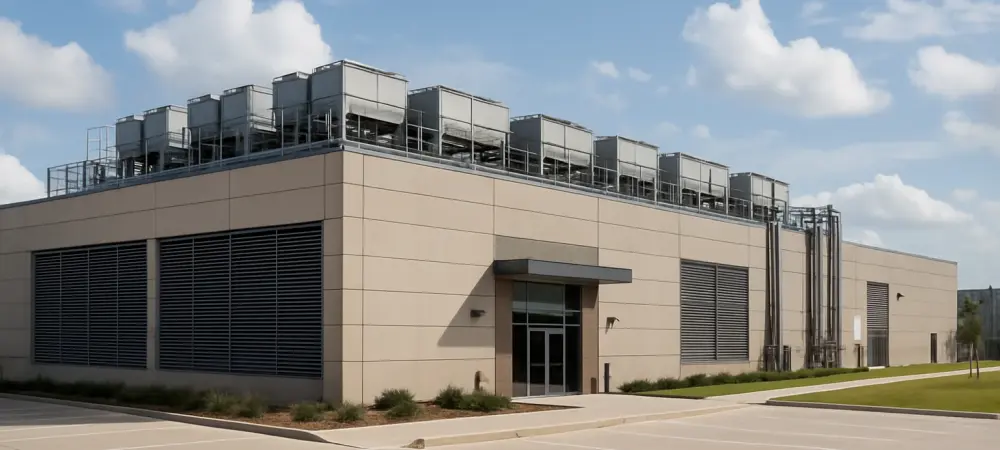
What happens when a small Texas city turns down a $30 million deal that could have ushered in billions in investment? In College Station, a university town known for its tight-knit community, a unanimous decision by the city council to reject a massive data center project has sparked curiosity and debate across the region. This isn’t merely about a failed transaction; it’s a compelling tale of local priorities clashing with industrial ambition. Picture a community rallying with over 5,000 signatures on a petition, voicing fears of noise and environmental strain, and ultimately swaying a decision that seemed all but sealed. This story uncovers the deeper reasons behind such a bold rejection and what it means for the balance between growth and preservation.
The significance of this event extends beyond a single city council vote. It represents a growing trend where community voices are not just heard but become the deciding factor in municipal decisions, even when substantial economic gains are at stake. College Station’s stand against Priority Power Management, LLC’s ambitious data center campus highlights a critical tension: how to weigh the promise of progress against the potential cost to quality of life. This narrative offers a window into the power of public sentiment and sets the stage for a broader discussion on sustainable development in small towns across America.
A Surprising Turn: When a Small Texas City Says No to Big Money
In a decision that caught many off guard, College Station’s city council voted unanimously on September 11 to reject a $30 million land sale for a sprawling data center campus. The proposal, backed by city staff, promised an economic boost with investments potentially reaching $4 billion. Yet, the community’s response was a resounding no, driven by concerns that outweighed the allure of financial gain. This unexpected outcome raises questions about what drives a city to walk away from such a lucrative opportunity.
The project, proposed by Priority Power Management, LLC, was no small endeavor. Named “Project Aggie” in a nod to Texas A&M University’s iconic football team, it aimed to develop approximately 200 acres in Midtown Business Park. With plans for a 600MW facility, including two towering buildings and massive substations, the scale alone was enough to turn heads. However, the community saw beyond the dollar signs, focusing instead on the hidden costs that such a development might bring to their daily lives.
This rejection wasn’t just a local anomaly but a reflection of a broader shift in how small cities approach big-ticket projects. College Station, nestled in Brazos County, demonstrated that economic incentives don’t always trump local values. The decision has sparked interest in how other municipalities might respond when faced with similar high-stakes proposals, setting a precedent for prioritizing community well-being over industrial growth.
Setting the Scene: College Station and the Data Center Dilemma
College Station sits in the heart of Texas, roughly 100 miles from both Houston and Austin, serving as home to Texas A&M University and a population that cherishes its small-town charm. Despite its proximity to major urban centers, the city has maintained a distinct identity, balancing the vibrancy of a university hub with the tranquility of a close-knit community. This unique blend made the proposed data center campus a particularly contentious issue, as residents grappled with the idea of industrial expansion in their backyard.
The specifics of “Project Aggie” were ambitious, to say the least. Priority Power Management, a company specializing in energy infrastructure since its founding in 2001, envisioned a campus with a capacity of 600MW, supported by two 300MW substations. The projected timeline of 24 to 32 months and a capital expenditure of $1 to $4 billion painted a picture of rapid transformation. City staff initially supported the deal, seeing it as a gateway to economic prosperity, but the community’s perspective told a different story, revealing a divide between administrative goals and public sentiment.
This dilemma wasn’t just about numbers or infrastructure; it was deeply personal for many residents. The potential for such a large-scale project to alter the fabric of daily life in College Station became a central concern. As the city stands at a crossroads between maintaining its heritage and embracing modern development, the data center proposal became a litmus test for how growth is defined and who gets to shape it.
Unpacking the Rejection: Community Concerns Take Center Stage
The decision to reject the $30 million land sale stemmed from a groundswell of community opposition that couldn’t be ignored. At the core of the resistance were tangible fears about noise pollution from a facility expected to operate 24/7, alongside worries about environmental degradation. The high energy and water demands of a 600MW data center, coupled with the construction of two massive substations, raised alarms about straining local utilities, pushing residents to question whether the trade-off was worth it.
Public engagement reached a fever pitch during the September 11 city council meeting, where over 75 individuals registered to speak against the project. A petition with more than 5,000 signatures further amplified the collective dissent, showcasing a unified front. Concerns weren’t limited to immediate impacts; procedural transparency issues surrounding the sale process added fuel to the fire, as many felt excluded from critical discussions that would affect their future.
Ultimately, these grievances—ranging from the constant hum of industrial operations to the broader ecological footprint—outweighed the economic promises. The community’s stance was clear: no amount of investment could justify compromising their environment or peace of mind. This overwhelming response demonstrated how deeply rooted values can shift the trajectory of even the most financially appealing proposals.
Voices of Opposition: What Residents and Experts Had to Say
The opposition in College Station wasn’t merely emotional; it was grounded in specific, well-articulated concerns. During the council meeting, residents near Midtown Business Park expressed dismay over the potential for incessant noise and the immense resource demands of the data center. One petition organizer captured the sentiment succinctly: “Progress is important, but not when it disrupts our quiet nights and burdens our resources.” These firsthand accounts painted a vivid picture of a community unwilling to sacrifice its way of life.
Beyond local voices, expert opinions provided a broader context for the rejection. Urban planning specialists have noted that data centers, while economically attractive, often bring disproportionate challenges to smaller communities. Studies suggest that such facilities create fewer jobs than anticipated—sometimes as low as one job per 10,000 square feet—while placing significant stress on infrastructure. This insight reinforced the residents’ hesitations, showing that their concerns aligned with documented trends in other regions.
Additionally, the environmental angle gained traction as a key point of contention. Experts highlighted that the water cooling systems and energy consumption of a 600MW campus could exacerbate local resource shortages, especially in a state prone to drought. Combined with community testimonies, these perspectives created a compelling case against the project, illustrating why College Station’s rejection resonated as a stand for sustainable priorities over unchecked development.
Learning from College Station: Navigating Development with Community Input
College Station’s experience offers valuable lessons for other cities facing similar industrial proposals. A critical takeaway is the importance of transparency from the outset. The procedural missteps in the land sale process eroded trust, underscoring the need for open communication between city officials and residents. Municipalities must prioritize clear, accessible information to ensure all stakeholders understand the implications of such projects.
Another key lesson lies in conducting comprehensive impact assessments before greenlighting developments. College Station’s concerns about noise, environmental harm, and utility strain highlight the necessity of evaluating how a project will affect daily life. Cities should mandate detailed studies on these factors, providing data-driven insights to guide decisions rather than relying solely on economic projections. This proactive approach can prevent conflicts down the line.
Finally, empowering community input through structured channels like public forums and petitions is essential. The 5,000-signature petition in College Station proved instrumental in swaying the council’s vote, demonstrating the power of collective action. Other towns can adopt similar mechanisms to ensure resident voices shape outcomes, fostering a collaborative model of development where growth aligns with local values rather than overrides them.
Reflecting on a Community’s Stand
Looking back, College Station’s rejection of the $30 million data center deal stood as a defining moment for the city, where public sentiment decisively shaped the outcome. The unified opposition, fueled by over 75 speakers at the council meeting and thousands of petition signatures, underscored a profound commitment to preserving quality of life over economic promises. This event marked a powerful assertion of community priorities in the face of industrial ambition.
Moving forward, cities everywhere can draw inspiration from this case by establishing robust frameworks for resident involvement in urban planning. Implementing regular town hall meetings and transparent impact studies can bridge the gap between officials and the public, ensuring decisions reflect shared goals. Additionally, investing in sustainable development guidelines from 2025 onward could help balance economic aspirations with environmental stewardship.
Beyond local action, this story prompts a broader reflection on how society defines progress. Policymakers and developers might consider integrating community feedback mechanisms into project proposals as a standard practice, fostering trust and mutual benefit. College Station’s legacy in this instance serves as a reminder that true advancement lies not just in financial gain, but in safeguarding the spaces where people live and thrive.