

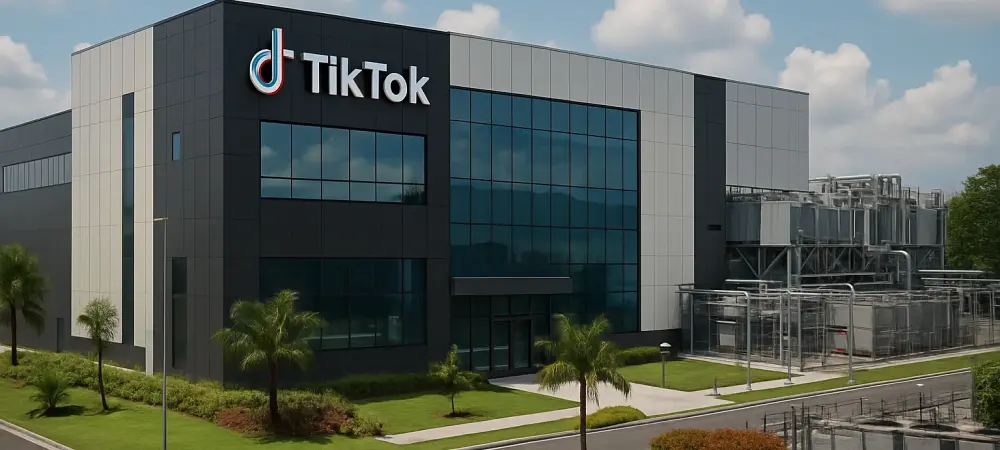
What happens when a tech giant’s thirst for digital dominance clashes with the ancient claims of an Indigenous community in a parched corner of Brazil? In the sun-scorched region of Ceará, near Fortaleza, the Anacé people are locked in a David-and-Goliath struggle against a proposed TikTok data center. This sprawling facility, backed by ByteDance and Brazilian energy firm Casa dos Ventos, promises billions in investment but threatens the very land and water the Anacé hold sacred. This conflict is more than a local spat—it’s a global test of whether progress can honor heritage.
Why This Standoff Grabs Attention
At the heart of this dispute lies a critical question: can economic innovation respect cultural and environmental boundaries? The TikTok data center, with an investment of up to 50 billion reais (about $8.7 billion), is set to bring jobs and tech prowess to Brazil’s northeastern frontier. Yet, for the Anacé, it risks eroding their ancestral territory and scarce resources. This tension mirrors a worldwide struggle as nations race to build digital infrastructure while grappling with the rights of marginalized groups.
The stakes are sky-high in Ceará’s Pecém Industrial and Port Complex, where construction is slated to begin later this year and operations are targeted for early 2027. With an initial capacity of 210 MW, expandable to 300 MW, the project showcases Brazil’s ambition to become a data hub, fueled by tax incentives for renewable energy use. But the cost to local communities could be irreversible, making this a pivotal case for policy and ethics in tech expansion.
Environmental Stakes: Water in a Dry Land
One of the fiercest points of contention is the data center’s potential drain on water in a drought-prone area. Casa dos Ventos claims the facility will use a modest 30,000 liters daily, a figure the Anacé fiercely contest, estimating a staggering 11 to 19 million liters based on global benchmarks. While the International Energy Agency suggests an average of 2 million liters per day for a 100 MW center, the lack of clear data fuels distrust in a region where every drop counts.
Beyond raw numbers, the environmental impact looms large over Ceará’s fragile ecosystem. Experts warn that industrial projects often underestimate long-term effects on groundwater and biodiversity. With northeastern Brazil already battling chronic water scarcity, the Anacé fear that their already strained resources could vanish under the weight of tech-driven demands, pushing their community to the brink.
Indigenous Rights: A Voice Unheard
Central to the Anacé’s fight is a claim of procedural injustice. Under the International Labour Organization’s Convention 169, to which Brazil is a signatory, Indigenous communities must be consulted on projects impacting their lands. Cacique Roberto Ytaysaba Anacé has declared, “No one spoke to us before deciding our fate.” This absence of dialogue strikes at the core of their grievance, highlighting a systemic failure to include native voices in development plans.
This oversight isn’t just a local issue but a recurring theme across Latin America, where Indigenous groups often find themselves sidelined. The Anacé’s formal complaint, filed last year, demands a halt to the project until proper consultation occurs. Their stand underscores a broader call for legal protections to be upheld, ensuring that cultural survival isn’t sacrificed for corporate gain.
Land Disputes: Whose Territory Is It?
Another flashpoint is the physical proximity of the data center to Anacé lands. Casa dos Ventos insists the site sits over 20 kilometers from recognized Indigenous territory, while the community counters that it’s a mere 3 kilometers away. Invoking Article 231 of Brazil’s Constitution, which safeguards traditional occupancy, the Anacé argue that even indirect encroachment threatens their way of life.
This disagreement over boundaries reveals the murky intersection of legal titles and historical claims. Industrial zones like Pecém often overlap with ancestral lands not fully demarcated, creating fertile ground for conflict. Resolving this requires precise mapping and neutral mediation, a process that remains elusive as both sides dig in over their respective truths.
Hearing Both Sides: Voices from Ceará
The human dimension of this clash comes alive in the words of those directly affected. Cacique Roberto Ytaysaba Anacé laments, “This land holds our stories, our spirits—how can a server replace that?” His frustration captures a deep sense of loss that transcends economics, reflecting a cultural identity under siege. For many in the community, the fight is about preserving a legacy for future generations.
On the other side, Casa dos Ventos emphasizes sustainability, pointing to closed-loop cooling systems that could slash water use by up to 52%, as per a Microsoft study. Environmental scholars like Dr. Venkatesh Uddameri from Lamar University caution, however, that such technology isn’t a cure-all in arid zones. These opposing views highlight the challenge of aligning corporate promises with on-the-ground realities, leaving room for skepticism until independent audits validate claims.
Finding a Middle Ground: Solutions for Tomorrow
Navigating this impasse demands concrete steps to bridge technology and tradition. First, transparent environmental assessments are essential—independent studies must quantify water and ecological impacts, with results accessible to all stakeholders. In a water-stressed region like Ceará, guesswork is a luxury no one can afford. Equally vital is enforcing Indigenous consultation rights under international law. The Brazilian government must facilitate formal talks with the Anacé, ensuring their input shapes project outcomes before shovels hit the ground. Additionally, clear land mapping, guided by third-party mediators, could settle territorial disputes, while developers like ByteDance should commit to cutting-edge sustainable designs, leveraging renewable energy to minimize harm. These measures, if pursued earnestly, offer a blueprint for balancing digital growth with cultural respect.
Reflecting on a Historic Struggle
Looking back, the clash in Ceará between TikTok’s data center and the Anacé community stood as a defining moment in the intersection of technology and tradition. It exposed raw tensions over resource use and rights that had simmered for decades. The outcome of their resistance shaped not just local policy but also set a precedent for how Brazil addressed similar disputes in subsequent years.
Moving forward, the path became clearer with a focus on actionable dialogue—bringing Indigenous leaders, developers, and policymakers to the same table proved essential. Establishing stricter guidelines for environmental accountability and legal consultation emerged as non-negotiable priorities. This saga ultimately reminded all involved that progress, if it was to endure, had to root itself in equity and respect for the past.