

I’m thrilled to sit down with Dominic Jainy, a seasoned IT professional whose expertise in artificial intelligence, machine learning, and blockchain has positioned him as a thought leader in the intersection of technology and sustainable infrastructure. Today, we’re diving into the ambitious plans for a 300MW data center campus in Scotland, a project that blends cutting-edge AI capabilities with renewable energy solutions. Our conversation explores the strategic decisions behind the location shift from Plean to Larbert, the integration of renewable energy systems, the economic ripple effects, and the importance of community engagement in such large-scale developments.
What inspired the decision to relocate the 300MW data center campus from Plean to Larbert, and what challenges played a key role in that shift?
The relocation from Plean to Larbert was driven by a combination of practical and strategic factors. One of the primary challenges at Plean was the historical mine workings in the area, which posed significant hurdles for development. These underground structures made the site less viable for the kind of robust foundation we needed for a project of this scale. After careful assessment, Larbert’s Glenbervie Business Centre emerged as a more feasible option, offering a cleaner slate for construction and fewer geological risks. It wasn’t an easy decision, but it was necessary to ensure the project’s long-term success.
How does the new Larbert site at Glenbervie Business Centre stack up against the original Plean location in terms of advantages for the project?
The Glenbervie site brings several key benefits to the table. For one, it offers better proximity to existing infrastructure, which is critical for securing reliable power and grid connections—essential for a 300MW data center. Additionally, the zoning at Larbert aligns more smoothly with our needs, and we’ve sensed a more favorable response from local authorities. While Plean had its merits, Glenbervie provides a stronger foundation for integrating the data center with a battery energy storage system, which is central to our renewable energy goals.
Can you walk us through the vision for the Larbert development and how the data center and battery storage system will complement each other?
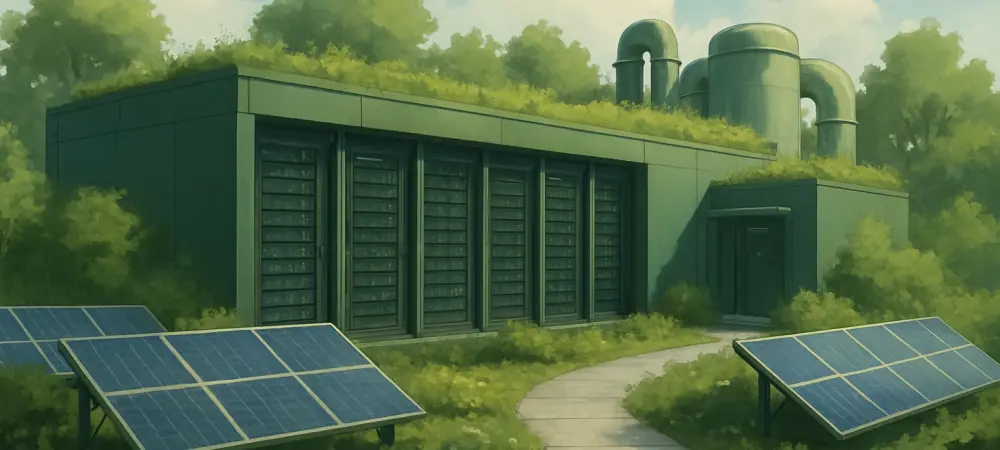
Absolutely. The Larbert campus is designed to be a hyperscale green AI data center, meaning it’s built to handle massive computational demands while prioritizing sustainability. The 300MW data center will power advanced AI workloads, and the integrated battery energy storage system will store excess renewable energy—think wind or solar power from the grid. This setup allows us to balance energy demand, reduce reliance on fossil fuels, and ensure a stable power supply even during peak usage. It’s a synergy that not only supports operational efficiency but also aligns with Scotland’s ambitious renewable energy targets.
With a multi-billion-dollar investment tied to this project, can you shed light on where these funds will be directed?
This investment is a cornerstone of the project’s scope and impact. A significant portion will go toward building the data center itself—think cutting-edge servers, cooling systems, and security infrastructure tailored for AI applications. Another substantial chunk is allocated to the battery energy storage system, which requires advanced technology to store and dispatch renewable energy efficiently. Beyond that, we’re investing in local partnerships, job creation, and community initiatives to ensure the project delivers lasting economic value. It’s not just about tech; it’s about building a sustainable ecosystem around it.
Local feedback has highlighted both disappointment over leaving Plean and optimism for broader economic benefits. How do you see this project impacting the Stirling area despite the location change?
I understand the disappointment in Plean, as we had hoped to bring direct benefits to that community. However, the proximity of Larbert to Stirling means the economic ripple effects will still be felt across the wider region. We’re talking about hundreds of jobs during construction and long-term roles in operations and maintenance. Local businesses will see increased demand for goods and services, and the project will position the area as a hub for green tech innovation. We’re committed to ensuring that even with the location shift, the benefits extend beyond Larbert’s borders.
You’ve got a public consultation event coming up on October 28 at Glenbervie House & Country Estate. What are your goals for this engagement with the community?
The consultation event is a critical step for us. We want to hear directly from local residents about their concerns, hopes, and ideas for the project. Whether it’s questions about environmental impact, traffic, or how we can support community needs, we’re all ears. This isn’t just a box-ticking exercise; we aim to use this feedback to refine our plans and ensure the development aligns with local priorities. Building trust and transparency with the community is as important as the infrastructure itself.
Looking ahead, what’s your forecast for the role of green data centers in shaping the future of renewable energy and technology integration?
I’m incredibly optimistic about the trajectory of green data centers. As digital demand skyrockets—driven by AI, cloud computing, and IoT—the energy footprint of data centers can’t be ignored. Integrating renewable energy solutions, like battery storage, is the future. I believe we’ll see more projects like Larbert becoming the norm, where sustainability isn’t an afterthought but a core design principle. Over the next decade, I expect green data centers to play a pivotal role in balancing energy grids and accelerating the transition to a low-carbon economy. It’s an exciting space to watch.