

Setting the Stage for Digital Dominance
In an era where digital infrastructure underpins nearly every facet of modern life, Virginia stands as a titan in the data center industry, handling a staggering 70 percent of global internet traffic through its Northern Virginia hubs, and this market analysis dives into the latest catalyst for growth—Peterson Companies’ ambitious Project Sisson in Stafford County, Virginia. This sprawling 3.8-million-square-foot data center campus is poised to reshape regional dynamics. With cloud computing, streaming services, and artificial intelligence fueling unprecedented demand for data storage and processing, understanding the implications of such developments is critical for stakeholders across tech, real estate, and local governance. This examination unpacks the strategic drivers behind this project, the broader market trends propelling Virginia’s dominance, and the challenges and opportunities that lie ahead in balancing growth with sustainability.
The significance of this analysis extends beyond a single campus. It reflects a pivotal moment in the data center sector, where expansion into less saturated regions like Stafford County signals a shift in how infrastructure meets escalating digital needs. By exploring Peterson’s latest venture alongside industry patterns, this report aims to provide actionable insights into market trajectories, economic impacts, and environmental considerations that will shape decision-making for developers, policymakers, and tech giants alike.
Unpacking the Data Center Market: Trends and Drivers in Virginia
Northern Virginia’s Unrivaled Connectivity and Expansion Pressures
Virginia’s ascent as the “data center capital of the world” is rooted in Northern Virginia’s unmatched advantages, including vast fiber optic networks and proximity to major business and government centers like Washington, D.C. This region has attracted tech giants such as Amazon and Microsoft, creating a dense concentration of facilities in counties like Loudoun and Prince William. However, with prime land becoming scarce and operational costs rising, developers are increasingly looking toward adjacent areas for growth. Stafford County, positioned just south of these hubs, emerges as a strategic frontier, offering both connectivity to established networks and room for large-scale projects like the one Peterson Companies has proposed.
The market dynamics reveal a clear trend: the push for expansion is driven by skyrocketing demand for data processing capabilities. As businesses across industries adopt cloud-based solutions and AI-driven technologies, the need for robust infrastructure has never been more pressing. This surge is quantified by industry reports estimating that data center capacity in Virginia could grow by 25 percent from 2025 to 2027, underscoring the urgency for new developments to alleviate pressure on existing facilities and maintain the state’s competitive edge.
Stafford County as an Emerging Hotspot
Stafford County’s rise as a viable data center destination is no accident. Local policies, such as reduced taxes on data center equipment, have created a favorable environment for tech investments, positioning the county as a natural extension of Northern Virginia’s ecosystem. Peterson’s selection of a site off Kings Highway near Albion Lane, along the Rappahannock River, capitalizes on proximity to critical infrastructure while accessing utilities like water for cooling from the nearby Little Falls Wastewater Treatment Plant. This strategic alignment highlights a broader market shift where smaller counties leverage economic incentives and available land to attract high-value projects.
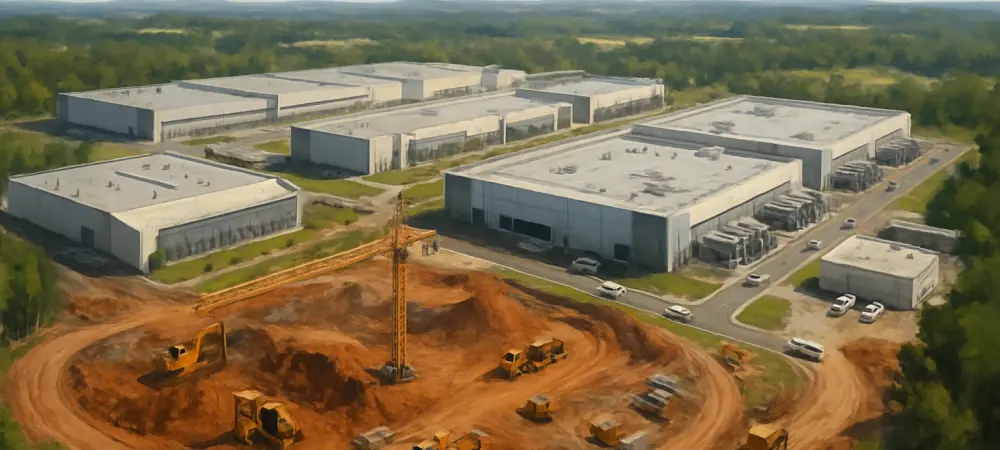
Beyond policy support, the county offers a practical solution to the saturation challenges faced by traditional hubs. The ability to develop a campus with 16 two-story buildings and four substations, totaling 3.8 million square feet, demonstrates how emerging areas can accommodate the scale required by modern data centers. Yet, this opportunity comes with complexities, as market players must navigate environmental impacts—such as the projected disturbance of four acres of wetlands—and community concerns, which could influence future zoning and development approvals.
Peterson Companies’ Strategic Positioning in the Sector
Peterson Companies, a veteran real estate developer since its founding in 1965, brings a diversified portfolio to the table, spanning office, retail, and residential properties. While not initially a data center specialist, their pivot into this space through partnerships with firms like Stack Infrastructure—evident in prior collaborations in Prince William County’s Manassas—positions them as a significant player in Virginia’s tech infrastructure market. Their involvement in large-scale initiatives, such as the 1GW Stafford Technology Campus near US Route 1, further cements their role in addressing capacity demands through calculated expansion.
This strategic evolution reflects a wider industry pattern where traditional developers adapt to capitalize on digital infrastructure needs. Peterson’s ability to secure suitable land banks and navigate utility requirements in Stafford County showcases a market-savvy approach, balancing operational feasibility with growth potential. As data center projects increasingly require collaborative expertise, such partnerships and experience will likely define which firms lead the next wave of development in untapped regions.
Forecasting the Future: Market Projections and Challenges
Growth Trajectories Fueled by Digital Transformation
Looking ahead, the data center market in Virginia is poised for sustained expansion, driven by relentless demand across sectors like cloud computing, streaming, and machine learning. Projections suggest that the state’s share of global data traffic could increase further, with new campuses like Project Sisson playing a pivotal role in meeting capacity needs. Analysts anticipate that investments in areas outside Northern Virginia will accelerate, with counties like Stafford potentially seeing a doubling of data center square footage by the end of the decade if current trends hold.
This growth is not without catalysts. The integration of AI workloads, which require immense computational power, is pushing developers to build facilities with higher density and energy efficiency. Market forecasts also point to a rise in modular construction techniques, allowing faster deployment of infrastructure to keep pace with demand. For regions like Stafford, this translates into a unique opportunity to establish themselves as secondary hubs, provided they can address logistical and regulatory hurdles effectively.
Environmental and Regulatory Headwinds
Despite optimistic projections, the data center sector faces significant challenges, particularly around sustainability and environmental impact. The energy and water demands of these facilities are under increasing scrutiny, with projects like the one in Stafford County drawing attention to issues such as wetland disruption. As public and regulatory focus on carbon footprints intensifies, developers may encounter stricter guidelines on resource consumption, potentially reshaping site selection and operational strategies in the coming years.
Market responses to these pressures are already emerging, with innovations in renewable energy integration and advanced cooling systems gaining traction. However, the balance between rapid expansion and responsible practices remains delicate. For Virginia to maintain its market leadership, stakeholders must anticipate tighter policies and invest in solutions that mitigate ecological impacts, ensuring that growth aligns with broader sustainability goals.
Competitive Landscape and Economic Implications
The competitive landscape in Virginia’s data center market is intensifying as more developers and tech giants enter the fray. With companies like Amazon also planning campuses in Stafford County, the region is becoming a battleground for investment, talent, and infrastructure resources. This competition could drive down costs for end-users through economies of scale, but it may also strain local utilities and infrastructure if not managed strategically.
Economically, the influx of data centers promises substantial benefits, including job creation and increased tax revenues for counties like Stafford. Yet, the market must grapple with the equitable distribution of these gains, ensuring that local communities are not sidelined by rapid industrialization. Future market success will hinge on collaborative frameworks between developers, local governments, and tech firms to align economic incentives with community well-being, shaping a balanced approach to regional development.
Reflecting on Insights and Charting Strategic Paths
Looking back, this market analysis illuminates how Peterson Companies’ Project Sisson encapsulates Virginia’s pivotal role in the global data center landscape, highlighting both the immense potential and the intricate challenges of expansion into emerging areas like Stafford County. The examination of market trends reveals a clear trajectory of growth fueled by digital transformation, while also underscoring the mounting pressures of environmental sustainability and regulatory oversight. These findings paint a picture of an industry at a crossroads, where strategic decisions made in the near term will shape long-term outcomes.
Moving forward, stakeholders are encouraged to prioritize innovative solutions, such as integrating renewable energy sources and adopting efficient design practices, to address ecological concerns while scaling infrastructure. Local governments stand to benefit by crafting policies that attract investment without compromising natural resources, fostering a model of sustainable tech growth. For developers and tech companies, the path ahead involves deeper collaboration to navigate competitive pressures and logistical complexities, ensuring that Virginia’s data center dominance endures through adaptability and foresight.