

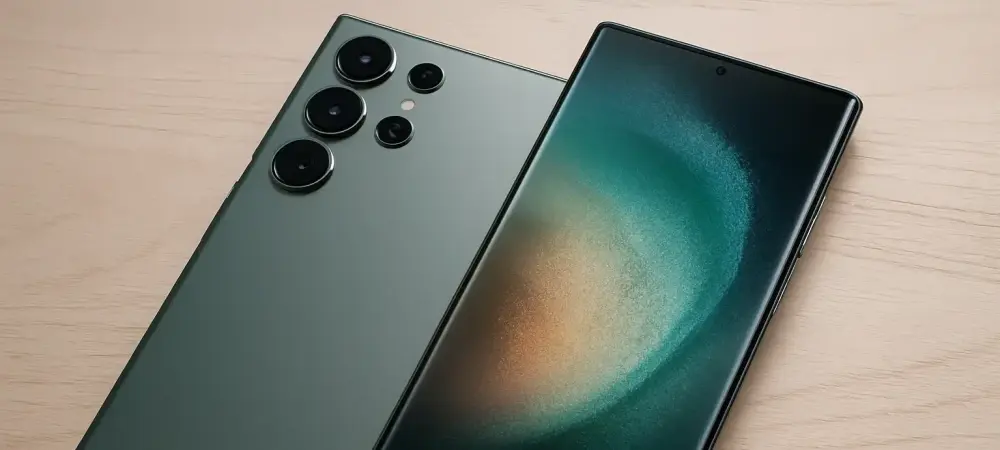
Imagine a smartphone that charges in a flash, slips effortlessly into your pocket with a razor-thin design, and packs performance so powerful it outstrips every competitor on the market. This isn’t just a dream—it’s the buzz surrounding Samsung’s yet-to-be-released flagship, rumored to be a transformative device in the mobile world. As anticipation builds, industry insiders, tech enthusiasts, and analysts are weighing in on what could make this device a true standout. This roundup gathers diverse perspectives and insights from various sources to unpack the speculated features and innovations of this upcoming phone, aiming to answer whether it might truly change the game for smartphone users everywhere.
Unpacking Rumored Features from Multiple Perspectives
Charging Speed: A Leap Toward Convenience?
Speculation about a significant boost in charging capabilities has sparked excitement across tech communities. Many sources point to a potential jump to 60W charging for the anticipated 5000mAh battery, a notable increase from the 45W seen in earlier models. This upgrade could mean less time tethered to a charger, aligning Samsung more closely with rivals known for rapid charging technologies.
However, not all opinions are unanimously positive. Some industry watchers caution that while 60W is a step forward, it still lags behind competitors offering speeds up to 80W or more. There’s also concern about the long-term impact on battery health, with a few analysts suggesting that faster charging might accelerate wear if not paired with advanced cooling or battery management systems.
A balanced view emerges from online discussions, where enthusiasts note that even a moderate speed increase could enhance daily usability for heavy users. The consensus seems to be that while this rumored feature is promising, its real-world impact will depend on how Samsung optimizes the technology alongside other hardware considerations.
Design Evolution: Slimmer and Inspired by Foldables?
Aesthetics and ergonomics are another hot topic, with rumors suggesting a slimmer profile for the device, potentially ranging between 7.0mm and 7.9mm in thickness. Drawing inspiration from Samsung’s foldable lineup, this design shift has been highlighted by several tipsters as a move toward greater portability and a premium feel that could appeal to style-conscious consumers.
Contrasting opinions surface regarding the trade-offs of such a thin frame. Some tech forums express skepticism about whether a reduced thickness might compromise durability or limit space for other components like larger batteries or enhanced cooling systems. The camera housing, rumored to mirror designs from foldable models, also raises questions about functionality versus form.
Despite these concerns, a segment of design-focused commentators argues that a sleeker build could set a new standard for flagship devices, making them more comfortable to carry and use. This diversity in feedback underscores the challenge Samsung faces in balancing innovation with practicality, leaving many curious about the final execution of this rumored redesign.
Performance Powerhouse: Next-Gen Chipset in Focus
Performance is a cornerstone of flagship devices, and the rumored inclusion of a cutting-edge Qualcomm Snapdragon 8 Elite 2 chipset has generated significant chatter. Many industry observers view this as a strategic move to position the Ultra variant as a leader in raw power, especially when compared to other models in the lineup that might use alternative processors.
Differing viewpoints emerge on the practical benefits of this upgrade. While some tech analysts predict groundbreaking speed and efficiency for tasks like gaming and multitasking, others question whether the average user will notice a difference in day-to-day use. There’s also speculation about potential challenges, such as heat management, that could temper the chipset’s impact if not addressed.
A middle ground appears in community discussions, where enthusiasts emphasize that pairing such a powerful processor with optimized software could unlock new possibilities for productivity and entertainment. This range of opinions highlights the high expectations for performance but also the uncertainty about how it will translate to user experience until tested in real-world scenarios.
Software Updates: Refinement Over Revolution?
The anticipated debut of One UI 8.5 has also drawn attention, with sources suggesting it will offer subtle yet meaningful enhancements over previous versions. This approach, focusing on refinement rather than a complete overhaul, is seen by many as a way to introduce fresh features while maintaining stability for users across global markets.
Not everyone agrees on the value of incremental updates. Some tech bloggers argue that competitors are pushing more aggressive software innovations, and Samsung risks falling behind by playing it safe. Concerns linger about whether minor updates will keep pace with evolving user demands for smarter, more intuitive interfaces.
On the flip side, a number of user forums praise the potential for a smoother rollout with fewer bugs, drawing from past experiences with major software transitions. This spectrum of feedback reflects a broader debate on whether steady, reliable updates outweigh the allure of bold, transformative changes in the software realm.
What Do These Insights Reveal?
Looking across these varied perspectives, a picture emerges of a device that could push boundaries in multiple areas—charging speed, design, performance, and software polish. The excitement is palpable, with many seeing these rumored upgrades as a response to consumer demand for more significant leaps in flagship offerings. Yet, skepticism persists about whether these changes will fully meet expectations or address all practical concerns, such as battery longevity and design durability.
Divergent views also highlight the competitive pressure Samsung faces to innovate while maintaining reliability. Faster charging and a slimmer frame might win over convenience seekers and style enthusiasts, but only if balanced with robust hardware. Similarly, raw power and software tweaks must deliver tangible benefits to justify the hype. These discussions underscore the complexity of crafting a device that appeals to a wide audience with diverse priorities.
Reflecting on the Buzz and Next Steps
Looking back, the collective insights from industry watchers, enthusiasts, and analysts paint a dynamic picture of anticipation mixed with cautious optimism for Samsung’s rumored flagship. The discussions around charging speed, design aesthetics, performance potential, and software strategy reveal a shared hope for innovation, tempered by practical concerns that only official announcements can resolve. Each perspective adds depth to the understanding of what a game-changing smartphone might look like. For those eager to stay informed, keeping an eye on upcoming Samsung events or trusted tech news outlets offers a way to separate fact from speculation. Potential buyers might also consider listing their must-have features—whether it’s rapid charging or a sleek build—and comparing them against confirmed details once available. As the smartphone landscape continues to evolve, engaging with community forums can provide real-time reactions and tips to navigate the decision of whether to upgrade or wait for the next big thing.