

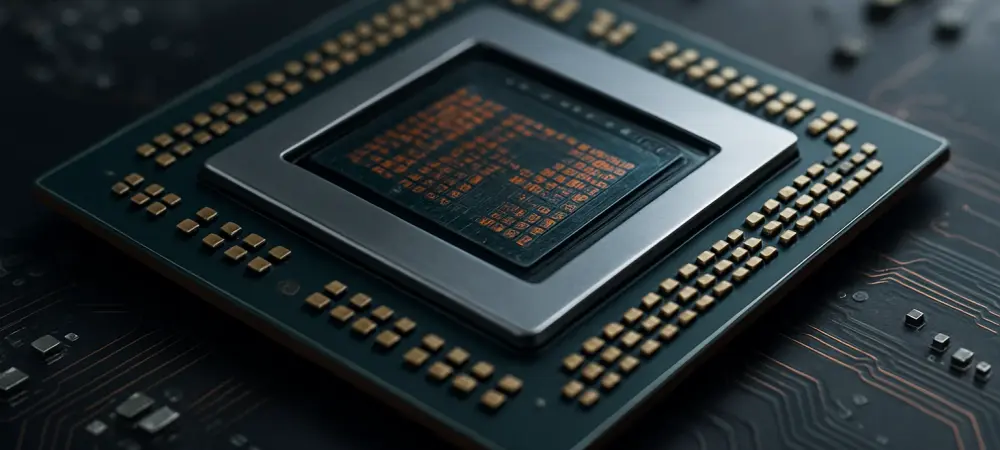
What if a device no bigger than a paperback could run the latest AAA games with the same power as a high-end laptop? Picture a gamer on a crowded train, immersed in a visually stunning world, controller in hand, oblivious to the commute. This isn’t a distant dream—AMD’s Ryzen Z2 Extreme SoC is making it a reality in 2025, pushing the boundaries of what handheld gaming can achieve. With performance metrics that rival traditional systems, this tiny chip is turning heads and sparking debates about the future of portable play.
Why Handheld Gaming Demands a Breakthrough
The handheld gaming market has exploded, with players craving devices that deliver console-quality experiences without tethering them to a desk. Yet, limitations in power, battery life, and cooling have long held these gadgets back from true greatness. The frustration of laggy gameplay or drained batteries mid-session is all too familiar to mobile gamers, highlighting a critical gap in the industry. AMD has seized this moment with the Ryzen Z2 Extreme, a chip designed to shatter these barriers. Benchmarked on devices like the MSI Claw A8, it promises to elevate portable gaming to unprecedented heights. This isn’t just about incremental upgrades—it’s about redefining expectations for what a handheld can do.
The Surge of Portable Play and AMD’s Strategic Leap
Over recent years, handheld gaming has transformed from niche to mainstream, fueled by a growing demand for entertainment that fits into a busy, mobile lifestyle. Devices are no longer just toys; they’re powerful tools for gamers who refuse to compromise on quality. This shift has created a fierce race among tech giants to build the ultimate portable powerhouse. AMD’s entry into this arena with the Ryzen Z2 Extreme marks a bold statement. Tailored specifically for handhelds, this System on Chip (SoC) reflects a broader industry trend of blurring the lines between compact devices and full-sized laptops. By prioritizing performance without sacrificing portability, AMD addresses the real-world needs of gamers who want high-end experiences anywhere, anytime.
Inside the Ryzen Z2 Extreme’s Revolutionary Tech
At the heart of this innovation lies a staggering set of specifications. Built on TSMC’s 4nm process, the Ryzen Z2 Extreme features 8 cores and 16 threads using AMD’s Zen 5 architecture. It combines three high-performance cores clocking up to 5 GHz with five efficiency cores reaching 3.3 GHz, all within a 15-35W power range, tackling the dual challenge of battery life and heat management in small devices.
Graphics performance is equally impressive, thanks to the integrated Radeon 890M iGPU with 16 compute units at 2.9 GHz, leveraging RDNA 3.5 architecture. Supporting features like FidelityFX Super Resolution (FSR) and Frame Generation, it ensures crisp, fluid visuals even on demanding titles. Benchmarks on the MSI Claw A8 show a 26.5% increase in single-core CPU performance and a 27% boost in multi-threaded tasks compared to the Ryzen Z1 Extreme, with GPU results rivaling laptop-grade systems.
Beyond the flagship, AMD’s Ryzen Z2 lineup includes variants like the Z2 GO and Z2 A, catering to diverse performance needs. Some chips even boast a 50 TOPS NPU for AI capabilities, hinting at future-ready designs. These advancements suggest that handhelds are no longer just secondary devices—they’re becoming primary platforms for serious gaming.
Industry Support and Real-World Reactions
Major manufacturers are already on board, integrating the Ryzen Z2 series into cutting-edge devices. Companies like MSI and ASUS, with projects such as the ASUS ROG Ally, have rolled out products this year that showcase the chip’s potential. This widespread adoption signals strong confidence in AMD’s ability to lead the handheld market.
Experts and early users alike are buzzing with praise. An industry analyst described the chip’s laptop-grade performance in a compact form as “a game-changer,” while Geekbench data confirms its edge over competitors like the Ryzen AI 9 365 in key metrics. A tester of the MSI Claw A8 shared their amazement at running intensive games at high settings, noting, “There’s no lag, no overheating—it just works.” Such feedback paints a clear picture of a technology that’s ready for the spotlight.
Empowering Gamers on the Move
For players constantly on the go, the Ryzen Z2 Extreme offers a transformative edge. Devices powered by this chip can handle the latest games at elevated settings, thanks to a potent mix of CPU and GPU strength, all while maintaining efficiency within that 15-35W range. This means longer play sessions without the constant hunt for a charger.
Developers also stand to gain, as features like Fluid Motion Frames enable optimization for smaller screens without sacrificing visual fidelity. For those eyeing a new handheld, models from MSI or ASUS with this SoC are worth watching, promising top-tier performance. Additionally, the AI capabilities in select variants ensure these devices remain relevant as technology evolves, offering a glimpse into gaming’s next frontier.
Reflecting on a New Era of Portable Power
Looking back, AMD’s Ryzen Z2 Extreme set a formidable benchmark in 2025, redefining handheld gaming with its Zen 5 architecture and Radeon 890M graphics. It proved itself through remarkable performance gains, outpacing predecessors and challenging laptop-class systems. This achievement marked a turning point, narrowing the divide between portable and stationary hardware.
As the industry moves forward, the focus shifts to how gamers and developers can leverage this power. Exploring upcoming devices with this technology becomes a priority for enthusiasts seeking premium mobile experiences. Keeping an eye on AMD’s evolving lineup and the innovations it inspires offers a pathway to staying ahead in an ever-changing landscape of gaming possibilities.