

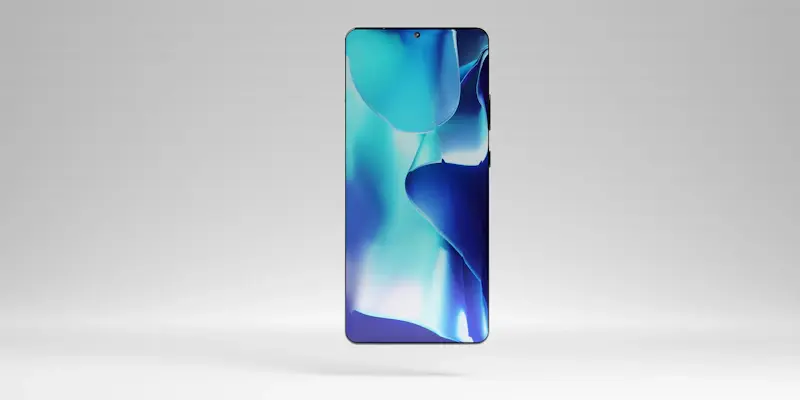
In the ever-evolving smartphone market, tech enthusiasts and consumers are often faced with the dilemma of choosing the best device that meets their needs and preferences. Recently, two flagship phones have emerged, garnering significant attention: the Samsung Galaxy S25 Ultra and the OnePlus 13. Both devices are packed with cutting-edge technology and promise a remarkable user experience, but determining which one is better requires a closer look at their features. From camera capabilities and design to battery life and overall value, this comparison aims to provide an insightful analysis to help potential buyers make an informed decision.
Camera Capabilities and Design
The camera systems of the Samsung Galaxy S25 Ultra and the OnePlus 13 are among their most prominent features, appealing to photography enthusiasts and casual users alike. The Galaxy S25 Ultra boasts a highly versatile camera setup, featuring a 200MP flagship sensor, a 50MP ultrawide lens, a 50MP periscope zoom, and a 10MP telephoto lens, complemented by a 12MP selfie camera. This array of lenses, along with advanced AI-powered software and pro video tools, sets the Galaxy S25 Ultra apart with exceptional zoom capabilities and a vast range of creative content options. Whether capturing intricate details, expansive landscapes, or distant subjects, the Galaxy S25 Ultra excels in delivering high-quality images and videos.
On the other hand, the OnePlus 13 offers a robust yet less versatile camera setup, with a 50MP core camera, a 50MP ultrawide lens, a 50MP 3x optical zoom, and a 32MP selfie shooter. While the OnePlus 13 excels in computational photography and produces impressive results, it doesn’t quite match the long-range shot quality of Samsung’s flagship. However, the OnePlus 13 compensates with seamless and efficient software that enhances the overall camera experience. In terms of design and durability, the Galaxy S25 Ultra maintains Samsung’s signature boxy design and integrates Corning Gorilla Armor 2 for added toughness, ensuring the device can withstand everyday wear and tear.
The OnePlus 13, recognized for its rugged build, takes design and durability further. Boasting an IP69 rating, the OnePlus 13 offers superior protection against extreme conditions, including water and dust resistance. Its sleek and stylish design, combined with durability, makes it an appealing choice for users who prioritize a hardy phone. Ultimately, when it comes to camera capabilities and design, both devices offer unique strengths. The Galaxy S25 Ultra stands out with its richer camera options and advanced AI features, while the OnePlus 13 appeals to users seeking robust design and impressive computational photography.
Display Quality and Software Experience
The display quality of a smartphone significantly influences the user experience, affecting everything from media consumption to everyday tasks. The Samsung Galaxy S25 Ultra features a stunning 6.9-inch QHD LTPO AMOLED screen, known for delivering sharper details, vivid colors, and excellent brightness, particularly in bright sunlight. This makes it an ideal choice for users who spend a lot of time viewing content under varying light conditions. Samsung’s display technology has consistently been at the forefront, and the S25 Ultra continues this tradition, offering an immersive visual experience whether you’re watching videos, gaming, or browsing the web.
In comparison, the OnePlus 13 comes with a slightly smaller, yet equally impressive, 6.82-inch QHD LTPO OLED display. While it may not boast the same level of brightness in direct sunlight, the OnePlus 13’s screen still delivers sharp, vibrant visuals that enhance daily use. The display is smooth and responsive, making it a strong contender in the flagship market. Coupled with the OxygenOS user interface, OnePlus ensures a clean and efficient software experience. The clean UI, known for its speed and simplicity, enhances the overall user experience by reducing clutter and providing intuitive navigation.
Contrastingly, the Samsung Galaxy S25 Ultra offers an AI-powered software experience that enhances productivity and creativity. With features like advanced photo editing, real-time transcription, and enhanced cross-app actions, Samsung’s software aims to provide a seamless and integrated experience. The inclusion of the S Pen, although not wireless this year, adds another layer of functionality, particularly for tasks like sketching, note-taking, and precise navigation. The software experience on the Galaxy S25 Ultra is tailored for users who seek a versatile and powerful tool for both work and leisure.
Battery Life, Charging Speeds, and Overall Value
Battery life and charging speeds are critical factors for many users when choosing a new smartphone. The Samsung Galaxy S25 Ultra comes equipped with a 5,000mAh battery, supporting 45W wired and 15W wireless charging. While this setup provides sufficient endurance for a day’s use with moderate to heavy activity, it is outperformed by the OnePlus 13. The OnePlus 13 is fitted with a larger 6,000mAh battery and supports significantly faster charging speeds, capable of 80W wired and 50W wireless charging. This means users can expect quicker recharge times and longer battery life, making the OnePlus 13 a standout choice for those who prioritize these aspects.
Examining the overall value, cost becomes a crucial point of comparison. The Samsung Galaxy S25 Ultra is priced at a premium, starting at $1,299. In contrast, the OnePlus 13 offers a more affordable entry point at $899. This price difference could be a deciding factor for many potential buyers, especially those who seek flagship performance without the hefty price tag. The OnePlus 13’s excellent performance per dollar spent makes it an attractive option for budget-conscious consumers. However, the Galaxy S25 Ultra justifies its higher price tag with added features like the S Pen and a more sophisticated camera system.
Additional features play a significant role in enhancing the user experience and overall value. The Galaxy S25 Ultra’s inclusion of the S Pen caters to creative professionals and productivity-focused individuals, offering precise control for various applications. Meanwhile, the OnePlus 13 focuses on delivering a streamlined experience with its clean UI and robust design. The decision ultimately comes down to personal preference and priority. For users who desire advanced camera capabilities, intuitive stylus functionality, and an AI-driven ecosystem, the Galaxy S25 Ultra is the way to go. Conversely, for those who value long battery life, rapid charging, and excellent performance at a lower price, the OnePlus 13 represents a compelling choice.
Making the Final Decision
In the rapidly changing smartphone market, tech enthusiasts and consumers often grapple with deciding which device best suits their needs and preferences. Recently, two flagship phones have captured significant attention: the Samsung Galaxy S25 Ultra and the OnePlus 13. Both are laden with state-of-the-art technology and claim to deliver an exceptional user experience. However, choosing between the two requires an in-depth look at their attributes.
Key factors such as camera capabilities, design, battery life, and overall value play crucial roles in this decision-making process. The Samsung Galaxy S25 Ultra boasts an advanced camera system, sleek design, and long-lasting battery, while the OnePlus 13 offers impressive performance, user-friendly features, and substantial value for money. This comparison aims to dissect these aspects to provide a comprehensive analysis, ultimately helping potential buyers make a well-informed choice.