

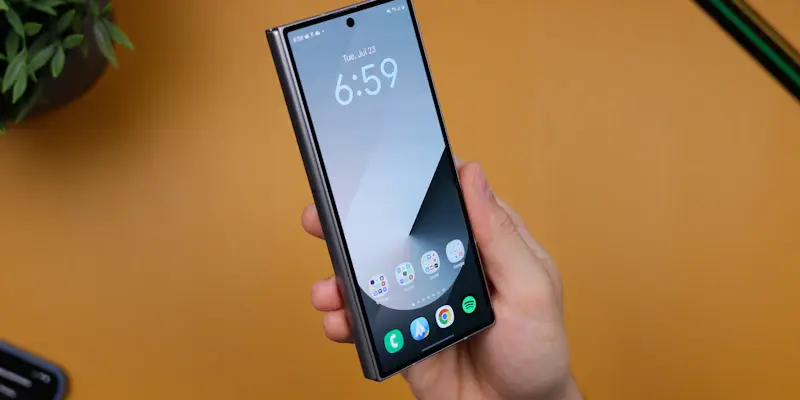
Samsung has long been at the forefront of smartphone innovation, constantly pushing the boundaries of how we interact with our mobile devices. With the anticipated release of the Galaxy G Fold, Samsung is once again setting its sights on redefining the foldable smartphone market. This new flagship device promises not just incremental improvements, but a completely new experience for users with its unique tri-fold design. While the foldable market has seen several notable entries, Samsung aims to outdo them all by providing a combination of cutting-edge technology and thoughtful design. The excitement around the Galaxy G Fold is palpable, and tech enthusiasts around the world are eager to get their hands on the latest innovation from one of the industry’s leaders.
Tri-Fold Design: A Leap Ahead
One of the Galaxy G Fold’s most captivating features is its tri-fold design. Unlike traditional foldable devices that have a single hinge, the G Fold boasts a unique G-shape mechanism. This design ensures that when the device is folded, all three sections of the display fold inward. This not only protects the screen from external damage but also provides a more compact and practical form factor. The innovative folding method sets it apart from competitors like Huawei’s Mate XT Ultimate Edition, which employs an S-shape mechanism, indicating Samsung’s commitment to providing more durable and user-friendly designs.
Another remarkable aspect of the Galaxy G Fold is its display specifications. Featuring a 9.96-inch double-folding display, the device offers an unparalleled visual experience. With 2K resolution, users can expect vibrant and crisp visuals, making the device perfect for media consumption, gaming, and productivity. Additionally, the 120Hz refresh rate ensures that everything from animations to scrolling remains smooth and fluid, elevating the overall user experience. This combination of advanced display technology and thoughtful design makes the Galaxy G Fold a standout in the crowded foldable market.
Strategic Market Introduction
Samsung is taking a measured approach to the Galaxy G Fold’s market introduction. The initial production run, estimated at 200,000 units, reflects a cautious strategy aimed at assessing market reception before committing to mass production. By starting with a limited release, Samsung can gauge consumer interest and gather valuable feedback to refine future iterations of the device. This strategy also mitigates risks associated with new product launches, ensuring that the company can adapt to any unforeseen challenges before fully committing to large-scale production.
The projected timeline for the Galaxy G Fold’s release adds another layer of strategic planning. Samsung plans to begin procuring parts in April 2025, with a potential market release slated for mid-July alongside other foldable models. This carefully considered timeline allows Samsung to ensure that all components meet their high standards of quality and performance. It also provides ample time for marketing efforts to build anticipation and excitement among potential customers. By aligning the Galaxy G Fold’s release with other foldable devices, Samsung aims to create a cohesive product lineup that reinforces its dominance in the foldable smartphone market.
Conclusion: Shaping the Future of Foldable Technology
Samsung has consistently been at the cutting edge of smartphone innovation, continually pushing the limits of what our mobile devices can do. With the eagerly awaited release of the Galaxy G Fold, Samsung is determined to once again redefine the foldable smartphone market. This new flagship promises more than just small upgrades; it offers a completely new experience with its revolutionary tri-fold design. While the foldable market already features several noteworthy models, Samsung aims to surpass them all, combining state-of-the-art technology with considerate design features. The buzz around the Galaxy G Fold is undeniable, and tech aficionados worldwide are anxious to get their hands on the latest breakthrough from one of the industry’s top players. This anticipation underscores the influence and reputation Samsung holds in the tech world and demonstrates the high expectations set for this new device. The Galaxy G Fold signifies a bold step forward, potentially reshaping the way we use smartphones in our daily lives.