

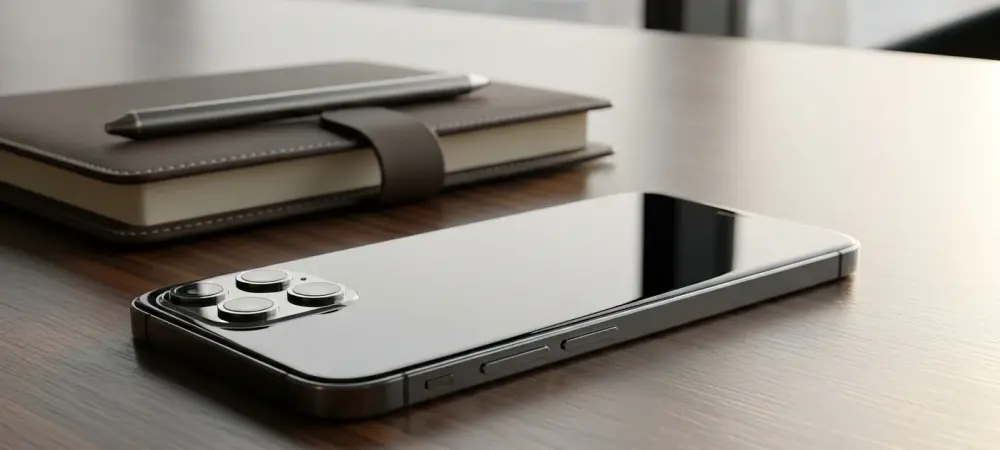
Navigating the modern smartphone market requires a departure from the outdated habit of chasing annual releases in favor of a calculated assessment of hardware endurance and functional necessity. In the current landscape, the gap between revolutionary innovation and incremental refinement has narrowed significantly, making the process of choosing a mobile device more about strategic planning than impulsive purchasing. This analysis seeks to dismantle the complexities of the current iPhone lineup by evaluating the distinct value propositions of available models. By examining technical specifications, software support cycles, and long-term financial implications, the objective is to provide a comprehensive roadmap for any consumer looking to make an informed investment.
The scope of this investigation covers the primary tiers of devices currently dominating the market, ranging from the cutting-edge flagship series to the seasoned entry-level options. Readers can expect to learn how advancements in thermal management and battery efficiency have redefined the “Pro” experience, and why the mid-range models often provide the most logical balance for the average user. Furthermore, the discussion explores the critical role of the secondary market and how Apple’s commitment to prolonged software updates ensures that older hardware remains both secure and highly functional throughout the remainder of the decade.
Key Questions: Evaluating the 2026 iPhone Lineup
Is the iPhone 17 Pro Series the Best Option for High-End Performance?
The pinnacle of mobile engineering is currently embodied by the iPhone 17 Pro series, a lineup designed specifically to meet the grueling demands of professionals and power users. In an era where mobile devices are frequently used for high-resolution video editing and intensive gaming, thermal management has become the primary differentiator between standard and elite hardware. This model introduces a sophisticated internal cooling architecture that prevents the processor from throttling during extended periods of heavy labor. Consequently, users can maintain peak performance levels without the lag or overheating issues that often plagued previous generations when pushed to their absolute limits.
Beyond raw processing speed, the iPhone 17 Pro utilizes an advanced optical system that significantly improves performance in challenging lighting conditions. This enhancement is not merely a luxury for photography enthusiasts but a vital tool for content creators who require reliable hardware for professional-grade output. The integration of smarter image processing pipelines allows for a level of detail and color accuracy that closely rivals dedicated camera equipment. For those whose livelihood or primary hobbies depend on the highest possible hardware standards, the investment in this flagship series is justified by its superior efficiency and creative versatility.
How Does the iPhone 16 Balance Cost with Modern Performance?
For the vast majority of individuals, the iPhone 16 represents the most pragmatic intersection of price and capability available today. While it may lack the specialized thermal systems found in the Pro models, it handles daily operations—such as high-definition streaming, multitasking across productivity apps, and social media management—with effortless fluidity. The hardware inside this device remains more than sufficient for the average consumer’s needs, ensuring that the user experience is smooth and responsive. This model effectively serves as the “sweet spot” in the current catalog, providing a modern design and robust feature set without the premium price tag associated with professional-grade gear.
Moreover, the battery longevity of the iPhone 16 is optimized for a full day of consistent use, addressing one of the most common concerns for mobile users. The transition from older technology toward this mid-range powerhouse is a future-proof move that secures a high-performance machine capable of receiving updates for many years. Because the functional difference in standard tasks between this model and the newest flagship is often negligible, savvy buyers frequently prioritize the iPhone 16 to maximize their return on investment. It remains a sturdy and reliable choice for anyone who values a seamless ecosystem experience over the most extreme hardware specifications.
Is the iPhone 15 Still a Viable Choice for Casual Usage?
The iPhone 15 currently functions as the primary gateway for budget-conscious consumers or those entering the Apple ecosystem for the first time. Despite being several years old, the device remains a highly capable machine that far exceeds the requirements for basic communication, web browsing, and casual application use. Its presence in the market highlights the enduring quality of modern hardware, proving that a device does not need to be the latest release to offer a satisfying and secure user experience. For students, families, or individuals who prioritize utility over novelty, this model provides a stable platform at a fraction of the cost of newer alternatives.
A significant factor in the continued relevance of the iPhone 15 is the consistent delivery of software updates that maintain the device’s security and functionality. Even as more advanced features are introduced in subsequent years, the core operating system remains optimized for this hardware, ensuring that it does not become obsolete prematurely. In many regions, the availability of the iPhone 15 allows users to access premium mobile technology that would otherwise be prohibitively expensive. This creates a more inclusive market where high-quality digital tools are accessible to a broader demographic without sacrificing the reliability associated with the brand.
How Do Software Longevity and Resale Value Affect the Purchase Decision?
One of the most compelling reasons to choose an iPhone is the industry-leading software support cycle that typically spans five to six years. When a consumer purchases a device in the current market, they are not just buying hardware but a long-term commitment to security and feature enhancements. This means a phone acquired now will likely remain fully supported and functional until approximately 2031. This longevity significantly lowers the “cost per year” of ownership, making a seemingly expensive upfront price much more economical over the life of the product when compared to devices with shorter support windows.
Furthermore, the financial resilience of these devices is bolstered by their high resale value on the secondary market. Unlike many competitors that depreciate rapidly, an iPhone tends to retain a significant portion of its original worth, allowing owners to recoup a substantial amount when they eventually decide to upgrade. This secondary market also provides a sustainable cycle where older devices are refurbished and passed on to new users, extending the hardware’s total lifespan. By considering both the software lifecycle and the potential trade-in value, buyers can approach their purchase as a strategic financial decision rather than a simple consumer transaction.
Summary: Synthesizing the 2026 Smartphone Market
The 2026 landscape for mobile technology emphasizes a shift toward purposeful consumption where the best device is defined by the user’s specific lifestyle. Power users and creative professionals find the most utility in the iPhone 17 Pro due to its advanced thermal cooling and professional-grade imaging capabilities. Meanwhile, the iPhone 16 stands out as the most balanced and practical choice for the general public, offering modern efficiency at a more accessible price point. Even the iPhone 15 continues to hold a strong position as a reliable entry-level option, proving that quality hardware can endure for several years without losing its functional value.
Software support remains the backbone of the brand’s value proposition, ensuring that every model mentioned remains a viable tool for years to come. The ability to receive continuous updates until the turn of the next decade provides a sense of security and stability that is rare in the fast-paced world of technology. Additionally, the strong resale market ensures that these devices act as stable financial assets. Ultimately, the market in 2026 rewards those who look beyond the marketing excitement and focus on the practical benefits of durability, performance, and long-term support.
Conclusion: Strategic Directions for Prospective Buyers
The evaluation of the current smartphone market demonstrated that the ideal purchase was no longer a matter of simply picking the highest number. It was observed that professional users benefited most from the enhanced cooling systems of the newest models, while everyday consumers found everything they needed in the previous generation’s hardware. The analysis highlighted that the longevity of a device was heavily dependent on software optimization and proactive battery maintenance rather than just raw processor speed. It became clear that the most successful buyers were those who matched their hardware choices to their actual daily habits rather than hypothetical performance peaks.
Looking forward, individuals should prioritize the health of their internal components by considering a battery replacement after two or three years to maintain peak efficiency. This simple maintenance step can effectively double the usable life of a device, making even an older model feel new again. Prospective buyers were encouraged to ignore the pressure of annual upgrades and instead focus on a three-to-four-year cycle that maximizes the utility of the hardware. By adopting this sustainable approach, users not only saved money but also contributed to a more stable and less wasteful technological ecosystem.