

Two of Apple’s standout compact offerings are the iPhone SE 4 and the iPhone 13 Mini. Both devices are designed to satisfy users who appreciate small phones without sacrificing an ounce of power or functionality. But how do these two models compare in terms of design, display quality, performance, camera features, battery life, software, and price? In this article, we delve into these aspects, providing a clear picture of which compact phone is better suited for your needs.
Design and Display Quality
The first point of comparison lies in the design and display quality of these compact powerhouses. The iPhone SE 4 has embraced a modern all-screen design reminiscent of the iPhone 14, doing away with the traditional home button in favor of a gesture-based system, complete with Face ID. This means users can enjoy a seamless and streamlined user experience. On the other hand, the iPhone 13 Mini retains the classic flat-edged metal body design and the familiar notch for Face ID, giving it a distinctive look. With a 6.1-inch display, the SE 4 offers more screen real estate compared to the 5.4-inch display of the 13 Mini, which might appeal to users who prefer slightly larger screens while still maintaining a compact form.
Both models feature high-quality OLED displays, known for their rich colors, deep blacks, and excellent contrast ratios. The iPhone SE 4’s OLED display boasts richer colors and improved contrast, making it a visual treat for movie watching and gaming. The iPhone 13 Mini, while also having an OLED display, keeps things vivid and vibrant with its HDR-enabled screen, which offers superior brightness and dynamic range. While the differences might seem subtle, they can impact user experience, especially in visually intensive applications.
Performance and Camera Features
Performance is where the iPhone SE 4 is expected to shine, as it is likely to be equipped with Apple’s latest A-series chip. This advanced chip could potentially surpass the A15 Bionic chip found in the iPhone 13 Mini, thereby offering better performance in intensive tasks such as gaming, video editing, and multitasking. Consequently, the SE 4 could provide more future-proofing for users looking to maximize their device’s lifespan and capabilities. It’s a significant advantage for tech enthusiasts who prefer having the latest processing power at their fingertips within the compact form factor.
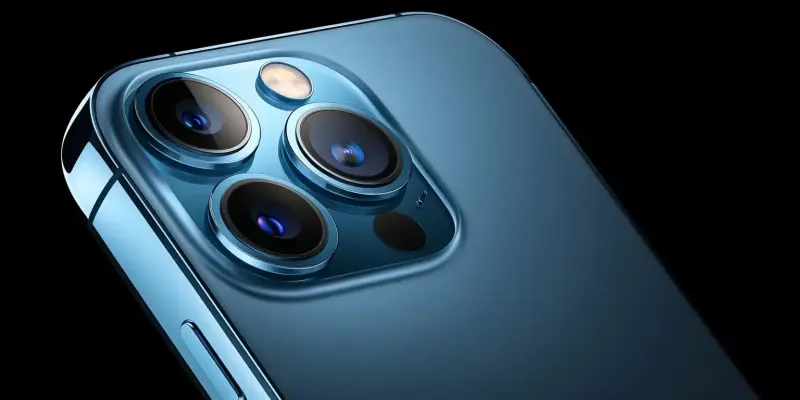
When it comes to photography, the iPhone 13 Mini has an edge with its dual-camera setup, featuring both wide-angle and ultra-wide-angle lenses. This configuration offers greater versatility, allowing users to capture stunning landscapes and detailed portraits. The SE 4, however, is anticipated to sport a single 12MP sensor. Despite this, advancements in computational photography could enable the SE 4 to match, or even exceed, the photographic prowess of the iPhone 13 Mini. Enhanced computational photography can improve features like portrait mode and low-light performance, ensuring high-quality images in various conditions.
Battery Life and Software
Battery life is a crucial factor for many users, and the SE 4 might hold a slight advantage here thanks to its newer, more energy-efficient chip. Users can expect the SE 4 to potentially outperform the iPhone 13 Mini in terms of battery longevity, offering a longer-lasting performance that can easily get through a full day of use. This is invaluable for individuals constantly on the move who rely on their phone throughout the day. Additionally, the SE 4 might come with a USB-C port, aligning with Apple’s recent shift away from Lightning connectors, a change that could simplify charging and connection options for users.
Regarding software, both devices run on Apple’s latest iOS, ensuring access to the newest features, security updates, and app compatibility. However, given the SE 4’s more recent release, it is likely to receive software updates and new features before the iPhone 13 Mini. Both models support 5G connectivity, providing fast internet speeds and improved network performance. This ensures that whether you choose the SE 4 or the 13 Mini, you will benefit from a cutting-edge smartphone experience that remains relevant and functional for years to come.
Price and Final Considerations
In a world where large and complex smartphones reign supreme, there’s still a loyal fanbase for compact devices that offer premium performance. Apple caters to this niche with the iPhone SE 4 and iPhone 13 Mini—two standout compact models. These phones are crafted for users who prefer smaller devices but don’t want to compromise on power or functionality. So, how do these two Apple offerings stack up against each other in terms of design, display quality, performance, camera capabilities, battery life, software experience, and price? In this article, we thoroughly explore these factors to help you determine which compact phone aligns best with your preferences and needs. Whether you’re after a stylish design, vibrant display, robust performance, impressive camera features, long-lasting battery, seamless software integration, or value for money, our detailed comparison will provide the insights you need to make an informed decision about which phone is the right fit for you.