

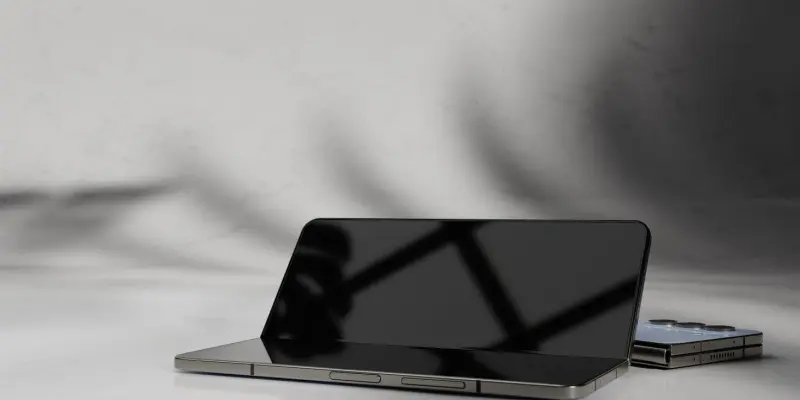
The dawn of foldable smartphones marked a significant leap in the world of mobile technology, offering a new blend of innovation and utility. Samsung is set to push these boundaries even further with the impending launch of its tri-fold smartphone, which aims to redefine what users can expect from their devices. This revolutionary design not only addresses the shortcomings of previous foldable models but also introduces a novel approach to merging the functionalities of a smartphone and a tablet. Samsung’s tri-fold smartphone promises to transform into a 10-inch tablet, providing an unprecedented user experience.
A Revolutionary Design
Samsung’s innovative device, tentatively named the “Galaxy G Fold,” features a 6.49-inch outer display for everyday use and a 9.96-inch inner display that deploys for tablet mode. This G-shape folding mechanism distinguishes itself by protecting the inner screen, as it folds inward, shielding it from external threats. This approach contrasts sharply with Huawei’s Z-shaped fold, which leaves a portion of the screen exposed to potential damage. The use of flexible, plastic OLED displays instead of glass is standard practice in foldable phones due to glass’s susceptibility to scratches and breakages. However, by incorporating two separate screens, Samsung’s tri-fold design may result in increased thickness and costs compared to its competitors.
The Galaxy G Fold exemplifies Samsung’s dedication to overcoming the obstacles that plagued earlier foldable smartphones, focusing on durability and user experience. While the exact specifications regarding the processor, camera, and pricing remain shrouded in mystery, industry insiders speculate that Samsung’s choice to employ a dual-display setup could drive up production costs. This, in turn, might be reflected in the device’s market price. Despite these potential drawbacks, the tri-fold’s unique design could set a new standard for foldable devices, attracting tech enthusiasts and early adopters.
Market Dynamics and Strategic Positioning
Samsung’s approach to the tri-fold smartphone market reflects a strategic grasp of the intricate balance between innovation and feasibility. With production targets set at fewer than 300,000 units, Samsung appears to be cautiously testing the waters, likely to gauge consumer response and adjust future production strategies accordingly. The anticipated release date around Q3 positions the Galaxy G Fold alongside the upcoming iterations of the Galaxy Z Fold and Z Flip series, underscoring Samsung’s commitment to versatile and cutting-edge mobile solutions.
The global availability of Samsung’s tri-fold smartphone could give it a decisive edge over Huawei’s tri-fold offerings, which are currently limited to the Chinese market. By potentially launching in markets like North America, Samsung could capture a wider audience, making it the first tri-fold smartphone to achieve significant global distribution. This strategic move might provide Samsung with a competitive advantage, cementing its reputation as a leader in the foldable smartphone segment.
These overarching trends indicate that Samsung’s deliberate approach to innovation in foldable technology is a calculated effort to navigate the complexities of production and market adoption. While the path to mainstream acceptance for tri-fold smartphones is fraught with challenges, Samsung’s endeavors may well usher in a new era where the boundaries between smartphones and tablets blur seamlessly.
The Future of Foldable Technology
The advent of foldable smartphones signaled a major advancement in mobile technology, combining innovation and practical use. Samsung is poised to further push these boundaries with the upcoming release of its tri-fold smartphone. This launch is set to revolutionize user expectations and device capabilities. The new tri-fold design not only remedies the limitations of earlier foldable models but also introduces a groundbreaking way to integrate the features of a smartphone and a tablet. What sets Samsung’s tri-fold smartphone apart is its ability to transform into a 10-inch tablet, offering a completely new user experience. This functionality addresses the increasing demand for versatile, multipurpose devices that cater to various user needs. As mobile technology evolves, Samsung’s tri-fold smartphone represents a significant step forward, expanding the possibilities of what users can achieve with their handheld devices. It holds not just the promise but the potential to redefine the very nature of mobile computing and entertainment, seamlessly blending convenience and cutting-edge technology.