

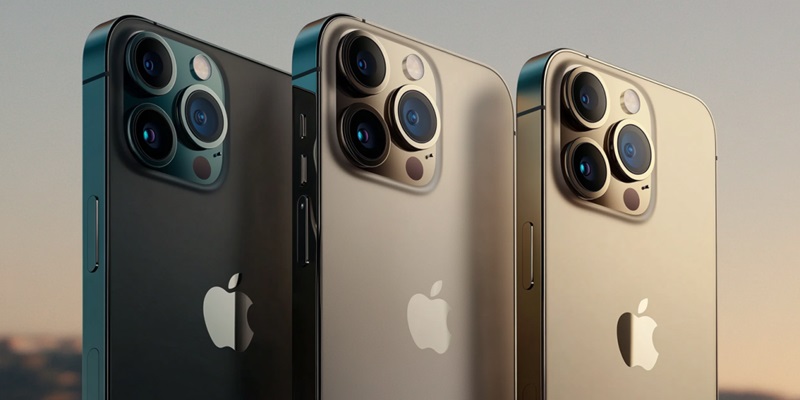
The iPhone 16 Pro and Pro Max are generating buzz as their release date of September 9, 2024, approaches. Speculations and leaks suggest notable enhancements in various aspects of these devices—particularly in camera capabilities, storage options, and other functional upgrades. With rumors and leaks painting a picture of what to expect, let’s dive into what makes these upcoming models stand out and why they might set new benchmarks in the smartphone industry.
Revolutionary Camera Capabilities
One of the most talked-about features of the iPhone 16 Pro and Pro Max is the upgraded camera system. According to multiple leaks, these devices will support up to 8K video recording at 60 frames per second (fps). This marks an impressive leap in video resolution, positioning the iPhone 16 Pro as a powerful tool for filmmakers and content creators. This stunning capability places the iPhone 16 Pro and Pro Max in a class of their own, catering to users looking for professional-grade video quality in a smartphone.
However, there is some speculation that Apple might restrict this capability through software, potentially limiting the recording to 4K at 120 fps instead. Even with this potential restriction, the video recording capabilities are still advanced, making these models a significant upgrade over their predecessors. This continued emphasis on enhancing video quality underscores Apple’s understanding of the demands of modern content creation, where high-resolution video is becoming increasingly important.
Furthermore, the new camera system will include a 48 MP ultrawide sensor and a five-times (5×) optical zoom telephoto lens. These enhancements will significantly improve photo and video capturing experiences, offering users superior image quality and versatility. The combination of these new sensors and lenses expands the creative potential for users, enabling them to capture a wider range of scenes with unparalleled detail and clarity. Whether for professional photography or casual snapshots, these upgrades are poised to make the iPhone 16 Pro and Pro Max standout devices.
Capacitive Shutter Button and Third-Party Compatibility
In addition to the advanced camera hardware, the iPhone 16 Pro and Pro Max will introduce a new capacitive shutter button, referred to as a Capture button. What sets this feature apart is its compatibility with third-party camera applications—a surprising move for Apple, given its usual stance on third-party integrations. By opening up this functionality, Apple is allowing users more flexibility and customization in how they utilize the iPhone’s powerful camera system.
This new button will allow apps like Halide and ProCamera to utilize its functionality, adding a layer of versatility to the iPhone’s camera system. Users will enjoy more flexibility and control when capturing photos and videos, making the iPhone 16 Pro and Pro Max even more appealing to photography enthusiasts. This integration suggests Apple’s strategy to appeal to a broader audience, including professionals who rely on specialized camera apps for their work.
Moreover, Apple is expected to introduce the lossless JPEG-XL image format, offering users higher-quality images with efficient storage use. The stock camera app will also see new features, such as the ability to pause and resume video recording, enhancing the overall user experience. These software improvements, combined with the new camera hardware, position the iPhone 16 Pro and Pro Max as formidable tools for both professional and amateur photographers.
Expanded Storage Options
Another crucial upgrade is the increase in base storage for the iPhone 16 Pro and Pro Max models. These devices will start with 256 GB of storage, a significant bump from previous models. This upgrade is particularly important given the large file sizes associated with high-resolution video recordings and high-quality images. As users continue to generate more content, increased storage capacity ensures they have ample space to store their files without the need for frequent backups or deletions.
The storage increase will ensure that users can store more content without worrying about running out of space. This is essential for those who use their devices for professional-grade photo and video projects. The upgraded storage also means that users can take full advantage of the iPhone 16 Pro and Pro Max’s high-resolution camera system without constantly managing their storage space. While the Pro models will enjoy this increased capacity, the non-Pro variants of the iPhone 16 will retain the 128 GB base storage option.
This strategic differentiation in storage options highlights Apple’s approach to cater to different segments of the market, ensuring that both casual users and professionals find value in their devices. The substantial storage upgrade aligns with the increasing need for more digital space as users’ reliance on smartphones for various tasks continues to grow. As a result, the iPhone 16 Pro and Pro Max are set to meet the evolving demands of tech-savvy consumers who require robust storage solutions.
Integrated Hardware and Software Features
In addition to hardware upgrades, the iPhone 16 Pro and Pro Max will feature significant software enhancements to complement the new hardware. The integration of advanced camera sensors and lenses will be supported by software updates that fine-tune image processing and video recording capabilities. This holistic approach ensures that the hardware and software work seamlessly together to deliver the best possible user experience.
Apple’s move to introduce the capacitive shutter button with third-party app compatibility is a step towards more open and versatile device functionality. This integration will allow users to fully leverage the iPhone’s camera capabilities, whether they’re using Apple’s stock camera app or third-party alternatives. Such flexibility is particularly attractive to advanced users who seek to maximize the camera’s potential through a variety of applications.
The introduction of the lossless JPEG-XL image format and new features in the stock camera app will further enhance the user experience, making the iPhone 16 Pro and Pro Max strong contenders in the premium smartphone market. These software advancements indicate Apple’s recognition of the importance of high-quality image formats that preserve detail without consuming excessive storage space. Together, these integrated hardware and software features ensure that users have a powerful and versatile tool at their disposal.
Cutting-Edge Performance and User Experience
The upcoming release of the iPhone 16 Pro and Pro Max, scheduled for September 9, 2024, is generating significant excitement among tech enthusiasts and consumers alike. As the release date approaches, speculations fueled by leaks hint at remarkable enhancements that could set new standards in the smartphone industry. Among the anticipated upgrades are advancements in camera technology, offering users superior photo and video capabilities that could rival professional equipment. Storage options are also expected to see significant improvements, providing more space for apps, photos, and essential data. Additionally, there are whispers of other functional upgrades that may enhance user experience in ways we haven’t seen before.
Amidst the swirling rumors, one thing is clear: these devices are poised to offer innovative features that could redefine user expectations. With the tech world buzzing about the potential these new models hold, the iPhone 16 Pro and Pro Max might not only meet but exceed the high expectations set by their predecessors. Whether you’re a photography aficionado, a storage hog, or just someone who appreciates cutting-edge technology, the upcoming iPhone models promise to deliver. Prepare for a new era of smartphone excellence that aims to elevate iPhone standards even further.