

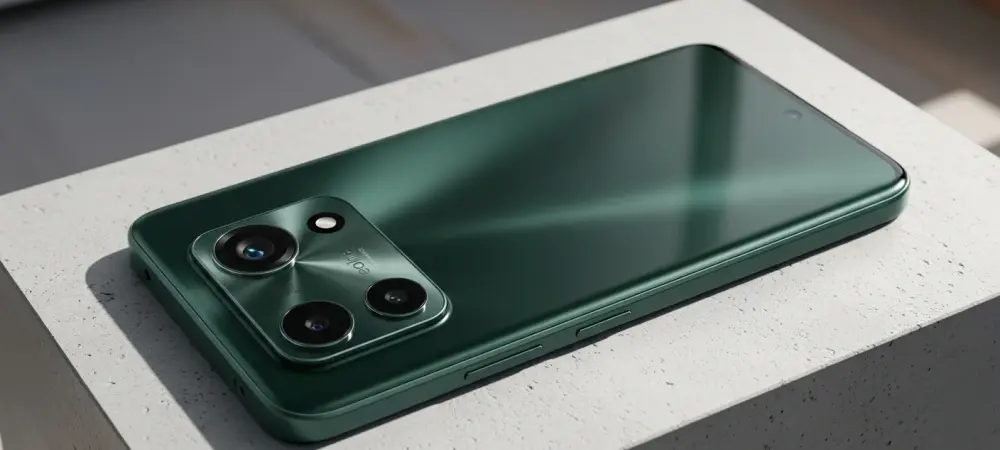
The contemporary smartphone landscape is shifting away from a binary choice between exorbitant flagship prices and underwhelming budget performance, leaving a massive opening for devices that prioritize style without sacrificing core functionality. Finding a digital companion that balances premium aesthetics with a mid-range price tag remains a constant challenge for most buyers in the current market. As the buzz around the Realme 16T 5G reaches a fever pitch, many are wondering if this newcomer can actually bridge the gap between flagship luxury and everyday affordability. With leaked renders suggesting a bold new look and marketing slogans promising “Superstar Portraits,” the pressure is on for the manufacturer to prove that its latest offering is more than just an incremental update to a familiar formula.
This anticipation is not merely about a single device; it represents the next chapter in the high-stakes battle for the pockets of modern consumers. The smartphone has become an extension of the self, and a release like the 16T 5G acts as a litmus test for whether a brand can keep up with rapidly evolving expectations. When a company manages to package high-end design elements into a device accessible to a broader audience, it disrupts the status quo. Consequently, the industry is watching closely to see if Realme can replicate its past successes while navigating the complexities of modern hardware demands and shifting consumer loyalties.
The High-Stakes Battle: Your Next Smartphone Upgrade
The current smartphone climate is characterized by an intense struggle for dominance, where every minor feature can determine a brand’s survival in the mid-range segment. For the average user, the decision to upgrade is no longer just about getting a faster processor; it is about finding a device that fits a specific lifestyle and aesthetic preference. The 16T 5G arrives at a time when the distinction between “budget” and “premium” is blurring, forcing manufacturers to innovate at a faster pace than ever before. This creates a high-pressure environment where even a well-established player must continuously prove its value proposition to a savvy and often skeptical audience. The arrival of this new model highlights the growing importance of the “bridge” device—a phone that looks like a flagship but costs significantly less. While the allure of top-tier models remains strong, the practical reality of modern economics means that most buyers are looking for the best possible experience within a fixed budget. By focusing on “Superstar Portraits” and a refined design, Realme is signaling that it understands these priorities. The goal is to provide a sense of luxury that does not feel compromised, ensuring that the user experience remains fluid and enjoyable throughout the typical two-year or three-year upgrade cycle.
Strategic Market Positioning: The Indian 5G Landscape
The arrival of the Realme 16T 5G is not an isolated event; it is a calculated move to secure a dominant position in one of the world’s most competitive tech landscapes. Following the success of the Realme 15T, the company is doubling down on the 5G segment to cater to a demographic that demands high-speed connectivity and longevity. This transition reflects a broader industry trend where mid-range devices are no longer just “budget” options but are expected to inherit sophisticated features once reserved for high-end models, such as AMOLED displays and specialized camera hardware. By focusing on the Indian market, the brand is tapping into a massive user base that is increasingly tech-literate and demanding.
Moreover, this strategic push involves more than just hardware; it is about building a brand ecosystem that resonates with a younger generation. In the current year, 5G is no longer a luxury but a standard requirement for anyone looking to stay connected to digital services and social media. Realme’s emphasis on 5G efficiency and reliability suggests a long-term vision where their devices act as the primary gateway to the internet for millions of users. This focus on reliability and high-speed access ensures that the brand remains relevant as infrastructure continues to improve across the region, making the 16T 5G a pivotal piece of their market strategy.
Breaking Down the Leaks: Aesthetics, Hardware, and Performance
The most striking revelation from recent leaks is the departure from circular camera modules toward a sophisticated, square-shaped camera island with rounded corners. This design language is shared with the more expensive Pro series, creating a visual cohesion across the brand’s entire portfolio. The promotional images suggest a clean, flat rear panel with minimalist branding, which appeals to users who prefer a sleek and modern look over overly flashy alternatives. By borrowing design cues from its premium siblings, the 16T 5G manages to punch above its weight class in terms of pure visual appeal, making it an attractive choice for style-conscious consumers.
Under the hood, the device is expected to house the MediaTek Dimensity 6300 chipset, a move that focuses on balancing 5G efficiency with sustained battery life. While this choice has sparked internal debates among enthusiasts regarding raw power versus energy conservation, the inclusion of up to 8GB of RAM and 256GB of storage ensures the phone remains a multitasking workhorse. Furthermore, the “All-Star Battery” branding suggests a significant emphasis on endurance for users who are constantly on the move. Whether it is for long commutes or extended gaming sessions, the hardware is tuned to provide a stable experience without the frequent need to reach for a charger.
Benchmarks and Certifications: Putting the Rumors to the Test
Credibility for these specifications comes from more than just whispers; the device has left a clear trail across official regulatory databases. An appearance on Geekbench under the model number RMX5268 confirms the hardware configuration and hints at a future-proof software experience with Android 16. These performance scores give a realistic expectation of what the device can handle, showing that it is well-equipped for standard daily tasks and moderate gaming. Such technical sightings provide a level of transparency that helps potential buyers make informed decisions before the official launch event occurs. Further validation comes from the Bureau of Indian Standards (BIS) and SIRIM certifications, which serve as the final administrative milestones before a commercial rollout. These listings are essential because they confirm that the device meets local safety and quality standards, clearing the path for an immediate release. Insights from industry insiders have complemented these official records, painting a detailed picture of what consumers will actually see on store shelves. When hardware sightings align so closely with regulatory filings, it suggests that the product is in its final stages of preparation and will likely debut without significant changes to its rumored specifications.
Evaluating Your Options: A Guide for Potential Buyers
To decide if the Realme 16T 5G is the right investment, start by assessing your primary usage patterns against the available configurations. If mobile photography and social media content creation are your priorities, the “Superstar Portrait” features and the 256GB storage tier will be essential for managing high-resolution files. For those upgrading from much older hardware, the transition to the Dimensity 6300 platform offers a stable entry point into 5G without the flagship price. It is important to look beyond the marketing slogans and consider how the specific hardware will handle your individual workload, whether that involves intensive apps or simple web browsing. Prospective buyers should also monitor the official launch pricing relative to the previous model’s 20,999 INR benchmark to ensure the value proposition aligns with their budget. While a lower price point is always desirable, the addition of a more refined design and improved battery technology might justify a slight increase for some users. Comparing the 16T 5G to other competitors in the same price bracket will reveal if Realme has done enough to stand out in a crowded market. Ultimately, the best choice depends on finding the right balance between the features you need and the price you are willing to pay for a modern 5G experience.
The launch of the Realme 16T 5G signaled a significant shift in how mid-range devices were perceived by the general public. Consumers who followed the development of this device realized that the focus on battery longevity and portrait photography addressed real-world needs rather than just chasing high benchmark scores. The transition toward this more balanced hardware approach showed that manufacturers were listening to user feedback regarding daily reliability. As the market moved forward, the lessons learned from the 16T 5G rollout helped buyers prioritize long-term software support and build quality over temporary gimmicks. This period of industry evolution proved that a well-designed mid-range phone could successfully challenge the dominance of much more expensive flagship alternatives.