

Samsung recently expanded the horizons of mobile technology by introducing two distinct paths for wearable enthusiasts: the rugged Galaxy Watch Ultra2 and the refined Galaxy Watch 9. While both devices originate from the same technological lineage, their target audiences and physical implementations differ significantly. This distinction is not merely aesthetic but rooted in a fundamental redesign of how a smartwatch functions under pressure, whether that pressure is atmospheric, biological, or environmental. The focus has moved away from minor aesthetic tweaks toward profound internal engineering that addresses the specific needs of different user profiles in the year 2026. The primary objective of this exploration is to dissect the nuances that separate these two flagship devices, helping prospective owners determine which piece of hardware aligns with their lifestyle. As the global market moves through the 2026 to 2028 cycle, the demand for specialized utility has outpaced the desire for one-size-fits-all solutions. By examining the physical architecture, visual output, and internal horsepower of these wearables, one can gain a comprehensive understanding of current strategic shifts. This includes a look at the new Snapdragon-based processing power and the enhanced sensor arrays that provide a more detailed map of human health than ever before. Readers can expect to learn about the specialized durability certifications that set the Ultra2 apart for marine activities, as well as the subtle refinements that make the Watch 9 a leader in everyday versatility. The scope of this comparison covers everything from battery chemistry and display brightness to the software ecosystem that binds these devices to the broader Galaxy network. Ultimately, this narrative serves as a guide for navigating the increasingly complex landscape of high-end wearables where the difference between titanium and aluminum is just the beginning of the story.
Key Questions Regarding the Latest Samsung Wearables
What Defines the Structural Differences Between These Two Models?
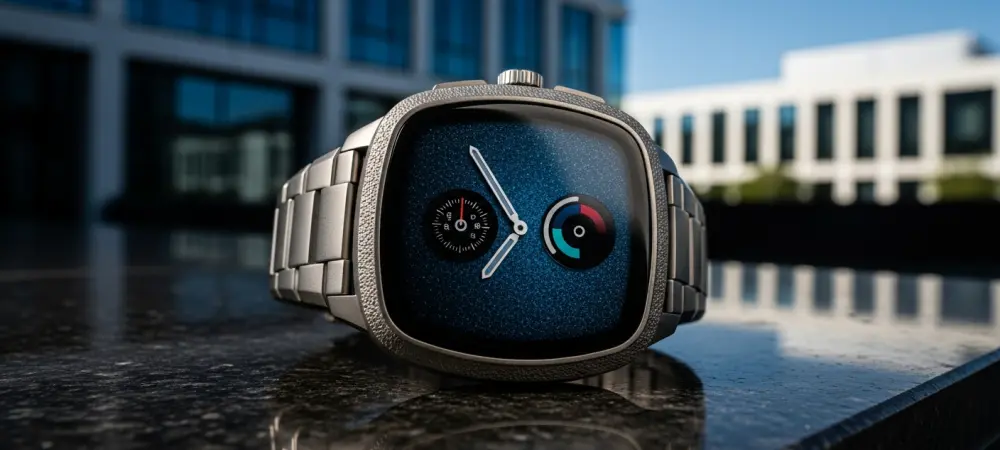
The Galaxy Watch Ultra2 is engineered as a tank for the wrist, utilizing a Grade 4 titanium frame designed to withstand impacts that would compromise lesser materials. Its 47.4mm dimensions are substantial, yet a clever internal re-engineering has allowed for a thinner profile than previous rugged iterations, coming in at just 10.7mm. This focus on durability is complemented by a sapphire crystal front and a ceramic-sapphire back, ensuring that the device remains scratch-resistant regardless of the terrain. The inclusion of the cushion silhouette provides a distinctive look that bridges the gap between traditional horology and modern tech aesthetics, making it a statement piece as much as a tool. In contrast, the Galaxy Watch 9 prioritizes versatility and daily comfort, opting for a sleek Armor Aluminum 2 frame that feels significantly lighter on the arm. Available in 40mm and 44mm sizes, it targets users who prefer a watch that disappears under a shirt cuff or stays unobtrusive during sleep. While it lacks the titanium armor of its larger sibling, the Watch 9 still maintains a high degree of resilience with its own sapphire crystal shielding and an IP68 rating. The design philosophy here emphasizes a streamlined experience, offering a broader color palette including cream and silver to match professional or casual attire.
The trade-off between these two structures primarily concerns the weight and presence on the wrist. The Ultra2 weighs 62 grams, a necessary compromise for its heavy-duty components and larger internal battery. Meanwhile, the Watch 9 variants weigh between 31.5 and 34 grams, making them ideal for high-intensity cardio or those sensitive to heavy jewelry. This structural divergence reflects a conscious effort to cater to both the extreme athlete who needs a survival tool and the health-conscious professional who requires a reliable, lightweight assistant for 24-hour monitoring.
How Does the Display Technology Impact Outdoor Visibility?
Visibility in direct sunlight has long been a hurdle for wearable devices, but the Galaxy Watch Ultra2 addresses this with a staggering 5,000-nit peak brightness. This level of illumination ensures that even in the harshest desert environments or high-altitude snowfields, the Super AMOLED panel remains perfectly legible. The 1.52-inch screen offers a crisp resolution of 498×498 pixels, providing enough real estate for complex data visualizations like topographic maps or deep-sea diving metrics. Such a bright display is not just a luxury; it is a safety feature for users who cannot afford to squint at their screens while navigating dangerous or fast-moving situations. Conversely, the Galaxy Watch 9 provides a more conventional but still excellent 3,000-nit peak brightness across its 1.34-inch and 1.47-inch variants. While this is a significant amount of light that handles most outdoor scenarios with ease, it does not quite reach the extreme performance levels of the Ultra model. Both devices benefit from Full Color Always-On Display technology, allowing users to check the time or basic notifications without waking the full processor. This consistency in screen quality across the lineup ensures that every user gets a premium visual experience, regardless of which model they choose for their daily routines.
Moreover, the difference in display performance is closely tied to the power management capabilities of each watch. The Ultra2 uses its massive brightness in bursts to combat glare, while the Watch 9 focuses on a balance between clarity and battery conservation. The sapphire crystal coating on both models prevents micro-scratches from diffusing light, which preserves the optical purity of the panels over years of use. This attention to visual fidelity highlights the movement toward using wearables as primary information hubs that rival the clarity of high-end smartphone screens.
In What Ways Do the Hardware Internals Affect Performance?
At the core of both the Ultra2 and the Watch 9 is the Snapdragon SW6100 Wear Elite chipset, a 3nm penta-core processor that marks a departure from previous proprietary silicon. This shift provides a massive boost in efficiency and processing speed, allowing the watches to handle background tasks and sensor data processing without the lag that plagued older generations. With 2GB of RAM and 64GB of internal storage, these devices have more than enough headroom to store large music libraries, offline maps, and a wide array of third-party applications. The use of a 3nm process is particularly significant as it allows for higher performance density while generating less heat during intensive operations.
Connectivity has also seen a major overhaul, with both models featuring Dual-band Wi-Fi ac and Bluetooth 6.0. This ensures a more stable connection to smartphones and peripherals like heart rate chest straps or wireless earbuds. Furthermore, the inclusion of L1+L5 dual-frequency GPS on both devices means that tracking accuracy in dense urban environments or heavy forest cover is significantly improved. This hardware foundation ensures that regardless of the specific model chosen, the user is getting the most advanced data processing and location tracking technology available in the current 2026 market.
The internal architecture is also optimized for the new BioActive Sensor suite, which requires constant, high-speed data throughput to monitor heart rate, ECG, and body composition simultaneously. The Snapdragon chip acts as a central hub that can intelligently distribute power between these sensors and the main display, ensuring that health tracking remains uninterrupted even during high-performance activities. This level of internal synchronization is what allows for the introduction of new metrics like the antioxidant index, which requires sophisticated metabolic modeling that would have been impossible on older, less efficient hardware.
Can Either Watch Be Used for Professional Diving?
One of the most significant points of divergence between these two wearables is their specialized water resistance and diving certifications. The Galaxy Watch Ultra2 is uniquely qualified with an EN13319 certification, which is the international standard for diving equipment. This allows the watch to function as a legitimate dive computer for depths up to 40 meters, featuring specialized tracking for immersion time, water temperature, and depth. Samsung has even integrated safety features like ascent speed warnings and decompression limit tracking, making it a viable primary or backup tool for recreational and professional divers alike. The Galaxy Watch 9, while highly water-resistant with an IP68 and 5ATM rating, is not intended for the same extreme aquatic environments. It can easily handle swimming laps in a pool or snorkeling in shallow waters up to 50 meters, but it lacks the structural reinforcements and specialized software required for deep-sea diving. The 5ATM rating is a measure of static pressure, which is very different from the dynamic pressures and safety requirements covered by the EN13319 standard. For the average user, the Watch 9 provides more than enough protection for daily life, but it does not offer the peace of mind required for high-risk marine exploration.
Furthermore, the Ultra2 will receive a dedicated diving application later this year, which will further expand its utility as a marine tool. This software will allow divers to log their trips, analyze their oxygen consumption patterns, and share data with other diving professionals. The hardware on the Ultra2, including the physical buttons that are easier to press while wearing gloves, further emphasizes its role as a specialized instrument. Conversely, the Watch 9 maintains its focus on being a generalist, providing excellent water resistance for fitness and recreation without the added bulk or cost of professional-grade diving certifications.
What Should Users Expect Regarding Battery Longevity and Charging?
Battery life remains the most critical factor for most wearable users, and the Galaxy Watch Ultra2 leads the pack with a massive 800 mAh cell. For users engaged in multi-day trekking or long-distance endurance events, this extra capacity is a game-changer, reducing the need to carry portable chargers. The efficiency of the 3nm Snapdragon chip further extends this longevity, allowing the watch to stay powered for several days under moderate usage patterns. The Galaxy Watch 9 features smaller battery capacities, with 390 mAh for the 40mm model and 445 mAh for the 44mm version. While these numbers seem modest compared to the Ultra2, the Watch 9 is optimized for a 24-hour cycle that includes sleep tracking and a daily charge during a morning shower. The energy management software in One UI Watch 9 is highly effective at putting unused sensors into a low-power state, ensuring that the watch reliably lasts through a full day of heavy notifications and workout tracking. For the vast majority of users, the Watch 9 provides a balanced experience that does not require the massive physical footprint of an 800 mAh battery.
Charging speeds have also been standardized across the lineup to ensure that users are not tethered to a wall for long periods. Both models support fast wireless charging, allowing for a significant percentage of the battery to be replenished in just thirty minutes. This is particularly important for those who use their watches for sleep monitoring, as it minimizes the time the device is off the wrist. The choice between the two models ultimately comes down to whether a user needs a marathon-ready power reserve or a sprint-focused daily driver that fits comfortably into a standard charging routine.
Summary of Key Comparisons and Takeaways
The choice between the Samsung Galaxy Watch Ultra2 and the Galaxy Watch 9 depends heavily on the intended environment and the specific needs of the user. The Ultra2 stands as a pinnacle of durability and technical capability, offering a titanium build, extreme 5,000-nit brightness, and professional-grade diving certifications. It is the definitive choice for those who push their boundaries in the ocean or on the mountain, providing a level of resilience that justifies its larger size and heavier weight. Its massive battery and specialized software make it a standalone tool for the modern adventurer. On the other hand, the Galaxy Watch 9 remains the quintessential everyday smartwatch, focusing on a lightweight aluminum design and refined health metrics. It provides the same cutting-edge Snapdragon processing power and high-precision GPS as the Ultra2 but in a much more compact and versatile form factor. For most individuals, the 3,000-nit display and 50-meter water resistance are more than sufficient for a lifestyle that balances office work, gym sessions, and social life. The Watch 9 represents the evolution of the wearable as a seamless extension of the digital self.
Both devices benefit from the unified BioActive sensor suite and the latest Wear OS 7 software, ensuring a consistent and high-quality health tracking experience. Whether one chooses the rugged titanium of the Ultra2 or the sleek aluminum of the Watch 9, the underlying technology represents a significant leap forward in the 2026 wearable landscape. The decision ultimately rests on a simple question of utility versus comfort, with Samsung providing a top-tier answer for both ends of the spectrum.
Final Thoughts on the Future of Personal Tech
The transition toward specialized wearables indicated that the industry moved away from general-purpose gadgets and toward precision instruments. The analysis of these two devices showed that the gap between a standard consumer product and a professional-grade tool narrowed significantly through shared processing power. It was clear that the decision to implement 3nm technology across the entire lineup allowed for a baseline of performance that previous generations lacked. This strategic move provided users with a consistent software experience while allowing the physical hardware to diverge into specific niches.
Prospective owners who sought to integrate these tools into their lives found that the software ecosystem had become more proactive than reactive. The inclusion of metrics like the antioxidant index suggested that the next phase of wearable technology would focus more on metabolic health and long-term wellness than simple activity tracking. This suggested a shift in how individuals might interact with their health data, moving toward a model where the watch acted as an early warning system for a variety of physiological changes. In the end, the path forward for wearable technology became a matter of defining one’s personal limits and selecting the hardware that matched them. The Galaxy Watch Ultra2 and Watch 9 provided a clear roadmap for how digital tools could adapt to different human experiences without compromising on the core values of connectivity and data accuracy. As users considered their next steps, the choice became less about the brand and more about the specific challenges they intended to conquer in their daily lives.