

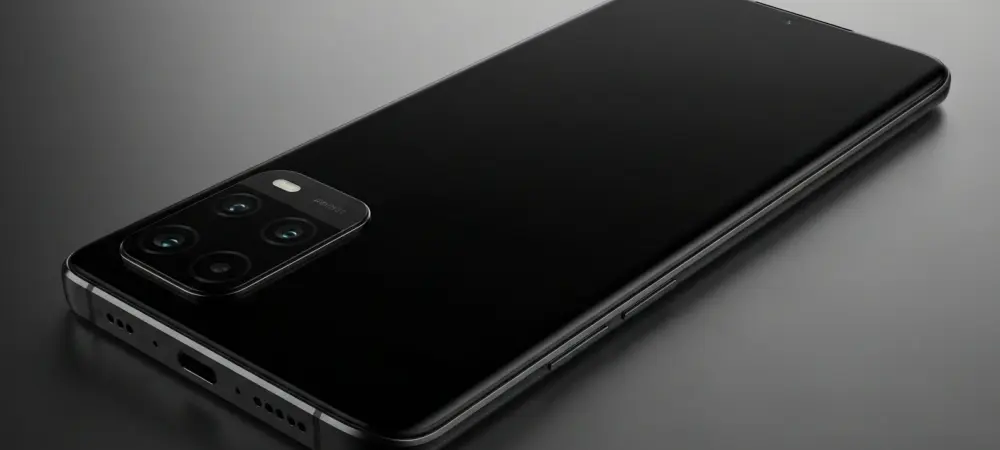
The Emergence of the N Series as a Strategic Anchor in the Subcontinent
The decision by OnePlus to pivot its focus toward the burgeoning entry-level market in India represents a calculated effort to redefine its brand identity in a region where value and performance are inextricably linked. The arrival of the OnePlus N6x marks a definitive moment for the technology giant as it recalibrates its presence in the highly competitive Indian smartphone landscape. For years, the brand was synonymous with flagship killers and mid-range Nord devices, but the introduction of the N series signals a purposeful expansion into the entry-level and budget-conscious segments.
This shift is not merely about adding a new product to the catalog; it represents a fundamental change in how the company intends to capture the loyalty of the next generation of mobile users. By establishing a dedicated line for affordability, the company can protect the premium image of its flagship models while aggressively competing for market share in the high-volume budget tier. This timeline explores the strategic pivot and the technical milestones that have defined this new era for the brand in India.
A Chronological Progression Toward the Official Debut of the N6x
Early 2024: Strategizing the Transition from Nord to N Series
Before the first N series device ever reached a consumer, internal shifts within the organization indicated a move away from the traditional Nord branding for its most affordable offerings. This period was characterized by market research focusing on the needs of the Indian consumer, specifically identifying a demand for high-end aesthetics at a lower price point. The decision was made to move the Nord brand slightly upmarket, leaving room for the N series to anchor the bottom of the price spectrum as the primary entry point into the ecosystem. This strategic realignment allowed for a clearer distinction between premium mid-range power and daily-use accessibility.
June 30: Establishing the Foundational Baseline with the OnePlus N6
The strategic shift became tangible on June 30 with the debut of the OnePlus N6. This device served as a precursor to the N6x, setting high expectations with its massive eight thousand milliampere-hour battery and forty-five watt fast charging. The N6 was the first to introduce the MediaTek Dimensity 6360 Apex chipset to the lineup, providing a balance of efficiency and multitasking power. This launch proved that the brand could deliver a no-nonsense, high-endurance device that resonated with users who prioritize longevity over excessive luxury features. It successfully established a blueprint for what a budget OnePlus device should provide to the domestic audience.
Mid-July: The Reveal of Aesthetic and Functional Refinements
Following the success of the initial N6 launch, updated microsites on Amazon India and the official web storefront began revealing the specific design philosophy of the upcoming N6x. This period highlighted a move toward a more sophisticated visual identity, featuring a pill-shaped rear camera module and a textured flat rear panel. The company confirmed that the device would be available in two distinct colorways, Burgundy Red and Ice Blue, aimed at providing a premium tactile experience. Crucially, this period also confirmed the return of the three and a half millimeter audio jack, a feature specifically requested by the budget-conscious demographic that still values traditional connectivity.
July 31: The Official Marketplace Arrival of the N6x
The timeline culminates on July 31 at noon, marking the official launch of the N6x in India. This event solidified the device’s place in the market as a high-value contender priced near the twenty-three thousand rupee mark. The launch emphasized the continuity of the hardware specifications from the N6, including the large six point seven five inch display with its one hundred and twenty hertz refresh rate and peak brightness of twelve hundred nits. This final step in the rollout completed the transition of the N series from a concept to a dominant force in the domestic retail environment, ensuring widespread availability across major online platforms.
Analyzing the Turning Points and Overarching Industry Themes
The most significant turning point in this journey is the democratization of high-performance hardware within a budget framework. By incorporating an industry-leading battery capacity and a high-refresh-rate screen, the N6x challenges the notion that affordable phones must be compromise-heavy. This reflects a broader industry trend where the gap between entry-level and mid-range devices is narrowing.
Another notable theme is the calculated rebranding effort which allows the company to segment its audience more effectively. This ensures that the premium Nord and flagship series maintain their status while the N series engages in price wars with established rivals. The pattern here is one of aggressive utility; every feature included, from the reverse wired charging to the five-megapixel primary sensor, is chosen to provide maximum practical value to the daily user.
Examining Market Nuances and Competitive Positioning
The success of the N6x is deeply tied to regional factors unique to the Indian market. Unlike Western markets where wireless audio is nearly universal, the Indian budget segment still heavily favors wired solutions, making the inclusion of the audio jack a significant competitive advantage. Expert opinions suggest that by focusing on endurance and display fluidness, the brand is directly targeting the heavy media consumption habits of Indian students and young professionals.
A common misconception is that the N series is merely a rebranded Nord; however, the specific choice of the MediaTek Dimensity 6360 Apex chipset and the streamlined single-lens aesthetic suggest a unique hardware path tailored for cost-efficiency. This strategic positioning places the N6x in direct competition with major players like Redmi and Realme, where brand prestige often acts as the deciding factor for consumers who are wary of sacrificing quality for price.
The brand successfully integrated these local preferences into a cohesive product strategy that defined its new role in the subcontinent. This approach prioritized long-term user retention over short-term flagship margins. Future considerations involved leveraging this new user base to expand the secondary ecosystem of wearable technology and audio accessories. Analysts observed that the company transitioned effectively from a niche premium player to a versatile competitor, ensuring that subsequent software updates would be optimized for the specific hardware constraints of the N series to maintain performance longevity.