

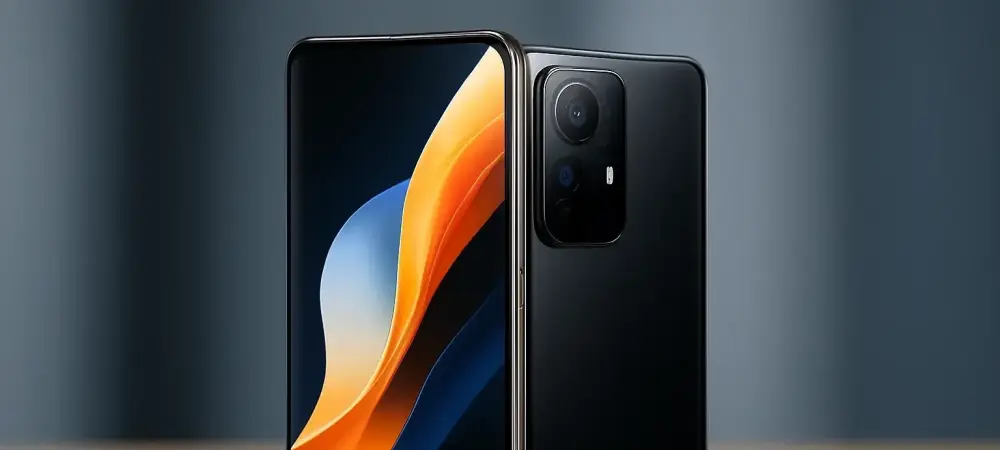
In a world where smartphones are no longer just tools but integral parts of daily life, a staggering 85% of global consumers upgrade their devices every two years, according to recent industry surveys. Amid this relentless pace of innovation, a new contender has emerged to redefine expectations. Xiaomi, a brand known for pushing boundaries, has unveiled its latest flagship lineup in China on September 25, capturing the attention of tech enthusiasts worldwide. This series promises to challenge the status quo with a blend of stunning design and raw power. What sets this release apart in an already crowded market?
The Hype Surrounding Xiaomi’s Latest Flagship Launch
The tech community is buzzing with anticipation following Xiaomi’s recent reveal of its newest flagship lineup. Official teasers and leaked promotional images have sparked widespread curiosity about what the company has in store. Promising a leap forward in both aesthetics and performance, Xiaomi has positioned this launch as more than just another product drop—it’s a bold declaration of intent in the high-stakes smartphone arena.
Social media platforms are flooded with discussions, as fans and analysts alike speculate on how this series will stack up against industry titans. The excitement is palpable, with early glimpses suggesting a focus on sleek design and cutting-edge technology. This buzz isn’t merely hype; it reflects a growing expectation that Xiaomi is ready to deliver something truly transformative.
Why This Launch Matters in the Smartphone Arena
Standing out in today’s flagship market requires more than incremental upgrades—it demands innovation that reshapes user experience. With giants like Apple and Samsung setting high benchmarks, Xiaomi faces immense pressure to carve out its niche. The stakes are higher than ever, as consumers now expect devices that are not only powerful but also visually captivating and intuitive to use.
This launch arrives at a critical juncture, as smartphone brands vie for dominance in a market driven by rapid technological shifts. Xiaomi’s timing couldn’t be more strategic, tapping into a demand for devices that balance style with substance. The significance of this moment lies in how it could redefine perceptions of what a flagship device should offer, potentially shifting market dynamics.
Breaking Down the Design and Power of the New Lineup
At the heart of Xiaomi’s latest series are three distinct models—standard, Pro, and Pro Max—each showcasing a refined aesthetic. The standard model, available in crisp white and vibrant sky blue, features a redesigned camera island with a smoother, rounder square shape that integrates seamlessly into the device’s body. Its 6.3-inch straight screen, framed by ultra-thin 1.18 mm bezels, offers a near-borderless visual experience, while weighing just 191 grams for effortless handling.
The Pro and Pro Max variants elevate the design further with unique color options like “Cold Smoke Purple” and “Forest Green,” respectively. Both share the same ultra-thin bezels and ergonomic “ultra-elliptical R-angle corners” for a comfortable grip, with the Pro Max rumored to boast a larger 6.73-inch display. A potential secondary rear display on the Pro models adds a layer of intrigue, hinting at innovative functionality that could set these devices apart.
Under the hood, all models are powered by the Snapdragon 8 Elite Gen 5 chipset, a processor poised to deliver unparalleled speed and efficiency. This hardware choice signals Xiaomi’s intent to compete head-on with the best in performance benchmarks. Combined with thoughtful design elements, this series appears ready to push the boundaries of what flagship smartphones can achieve.
Expert Insights on the Series’ Potential Impact
Tech analysts have already begun weighing in on Xiaomi’s latest offering, with many praising the balance of form and function. A prominent industry reviewer remarked, “The ultra-thin bezels paired with ergonomic curves could redefine how a premium device feels in hand.” Such early feedback underscores the potential for this lineup to set new standards in user comfort and visual appeal.
Performance expectations are equally high, with the Snapdragon 8 Elite Gen 5 chipset drawing significant attention. Benchmark predictions suggest it could outperform competitors by a notable margin, positioning Xiaomi as a serious contender. While hands-on reviews are still forthcoming, the consensus among experts is that this series might disrupt the flagship landscape with its innovative approach.
Finding the Right Model for Your Tech Needs
For those considering an upgrade, evaluating how this series aligns with personal priorities is key. If design and portability are top concerns, the standard model’s lightweight build and vibrant color options might be the perfect fit. Its compact 6.3-inch display ensures easy one-handed use without sacrificing screen real estate.
Power users, on the other hand, will appreciate the robust capabilities promised by the cutting-edge chipset across all models. Gamers and content creators can expect seamless multitasking and lag-free performance. Meanwhile, those intrigued by novel features should watch for confirmed details on the Pro variants’ rumored secondary rear display, which could offer unique utility for notifications or quick controls.
Reflecting on a Bold Step Forward
Looking back, Xiaomi’s launch on September 25 in China marked a defining moment in the flagship smartphone arena, showcasing a trio of devices that blended striking design with formidable power. The meticulous attention to ultra-thin bezels and ergonomic details demonstrated a commitment to user experience that resonated deeply with early observers. Moving forward, consumers and tech enthusiasts alike are encouraged to explore firsthand reviews as they become available, comparing the standard, Pro, and Pro Max models to pinpoint the best match for individual needs. As the smartphone landscape continues to evolve, staying informed about such innovations ensures readiness for the next wave of technology that promises to enhance daily life.