

In the fast-paced world of smartphone innovation, few companies are generating as much buzz as Vivo. With leaks pointing to a major launch event in March, we sat down with IT and technology expert Dominic Jainy to dissect the rumors surrounding the upcoming Vivo X300s. We explored the implications of its powerful new chipset, the intriguing strategy behind its camera and battery combination, Vivo’s calculated approach to global markets, and its potential foray into the entirely new territory of action cameras.
The new Vivo X300s is expected to feature the Dimensity 9500+ chipset, described as an overclocked version of the 9500. Can you break down what kind of real-world performance gains we might see, and how this positions the phone against its main competitors?
When you hear “overclocked,” it’s easy to think of it as just a minor speed bump, but the reality is more nuanced and impactful. For the end-user, this isn’t just about benchmark scores. It translates to a tangible feeling of snappiness—apps that open instantly, smoother scrolling through complex web pages, and higher, more stable frame rates in demanding games. More importantly, a modern chipset like this is the brain for the entire device, especially its AI capabilities. This boost will directly enhance image processing from that massive camera sensor and enable more sophisticated on-device machine learning tasks. It’s Vivo’s way of keeping pace with the top-tier Snapdragon chips, ensuring their flagship feels every bit as responsive and intelligent as its rivals, without necessarily re-engineering the entire platform from the ground up.
The leak suggests the X300s will combine a 200-megapixel primary sensor with a “mid-range” periscope telephoto lens. What is the likely technical strategy behind this pairing, and what kind of photography experience should users expect from this specific hardware combination?
This is a fascinating and very pragmatic approach to mobile photography. The strategy here is about offering versatility without an exorbitant cost. That 200-megapixel sensor is a powerhouse for detail; it allows for incredible digital cropping, meaning you can essentially zoom in on a photo after taking it and still retain stunning clarity. It’s all about high-resolution photography. Pairing this with a mid-range periscope is a clever trade-off. Instead of a high-magnification, expensive lens, they’re providing a dedicated optical zoom that’s a significant step up from purely digital zoom, perfect for portraits and medium-range shots. For the user, this means you get phenomenal detail in your standard photos and a genuinely useful, clean zoom for everyday situations, creating a balanced system that excels in the most common shooting scenarios.
The X300s is rumored to pack a massive 7,000mAh battery while also featuring a flat OLED display with slim, uniform bezels. How might Vivo balance the physical demands of such a large battery with these specific aesthetic choices, and who is the target user for this?
Balancing a beastly 7,000mAh battery with a sleek, modern design is the holy grail of smartphone engineering. Just a few years ago, this would have resulted in a phone as thick as a brick. Today, advancements in battery chemistry and internal component stacking allow them to fit more capacity into a smaller physical space. It’s a significant jump from the 6,040mAh in the standard X300. The target user is unequivocally the power user. This is for the person who is on their phone from their morning alarm to their last social media scroll at night—gaming, streaming video, and constantly connected. They despise battery anxiety. By providing this massive power reserve in a device that still looks and feels premium with its 6.78-inch flat screen and slim bezels, Vivo is directly targeting a demographic that prioritizes endurance above all else but is unwilling to compromise on aesthetics.
We’re hearing the X300s may initially be a China-exclusive model, while an X300 Ultra targets global markets. Based on Vivo’s past strategies, what is the business logic behind this kind of staggered, region-specific release, and what does it tell us about their market segmentation?
This staggered release strategy is a very calculated move. The Chinese market is incredibly competitive and moves at a blistering pace; launching the X300s there first allows Vivo to test a specific feature set—like this massive battery and flat screen combo—and gauge consumer reaction in their home court. It acts as a real-world testbed. Meanwhile, branding a separate device as the “Ultra” for global markets lets them create a more universally appealing flagship, possibly with different design cues or camera tuning that resonates better with international tastes. It also helps manage the incredible complexity of global supply chains. This tells us they see their customer base not as a monolith, but as distinct segments with different priorities, and they’re willing to tailor specific hardware configurations to maximize appeal in each key region.
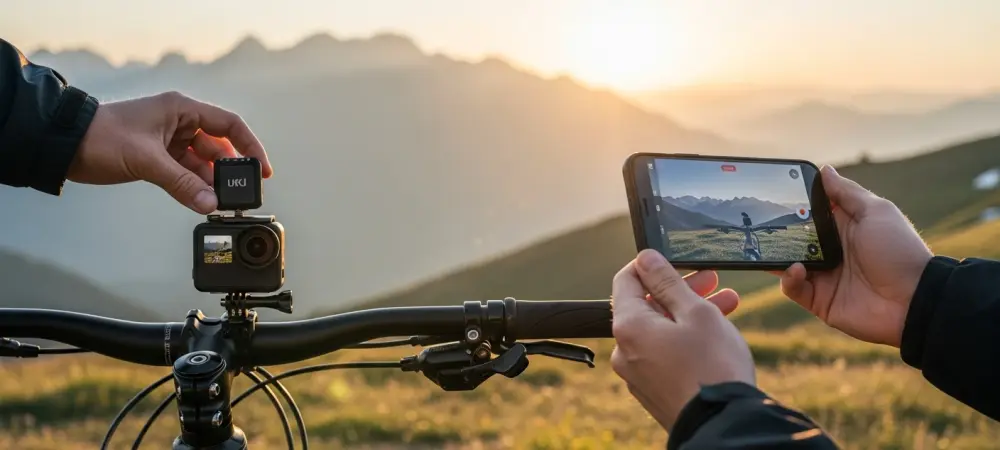
The March event may also mark the debut of Vivo’s first action camera. Considering Vivo’s expertise in smartphone photography, what key challenges and opportunities do they face entering this market, and what unique features might they introduce to stand out from established competitors?
Entering the action camera market is both a huge challenge and a massive opportunity for Vivo. The primary challenge is brand recognition; they’re going up against entrenched giants who own this space. However, their opportunity is to completely disrupt it by leveraging their deep expertise in computational photography and software. Imagine an action camera with Vivo’s renowned color science and AI-powered image stabilization, which could be far more sophisticated than what’s currently available. A key differentiator could be seamless integration with the Vivo ecosystem—the ability to instantly transfer, edit with AI-powered templates on your X300s, and share stabilized, beautifully graded footage in a way that’s currently cumbersome. They can win by making the entire process, from capture to final video, smarter and more intuitive.
What is your forecast for the high-end Android market in the next year, particularly regarding the battle between camera resolution and battery longevity?
My forecast is that we’re going to see the market bifurcate. On one end, you’ll have the “camera-first” flagships that continue to push sensor sizes and megapixel counts, appealing to photography purists. On the other end, you’ll see the rise of the “endurance champions” like this rumored X300s, where a two-day battery life becomes the headline feature. The most interesting battle, however, will be fought in the middle. The true innovation will come from companies that use AI and software optimization to bridge the gap—delivering exceptional imaging and great battery life without the extreme hardware trade-offs. The winner won’t necessarily be the phone with the biggest numbers, but the one that uses software to create the most balanced and intelligent user experience.