

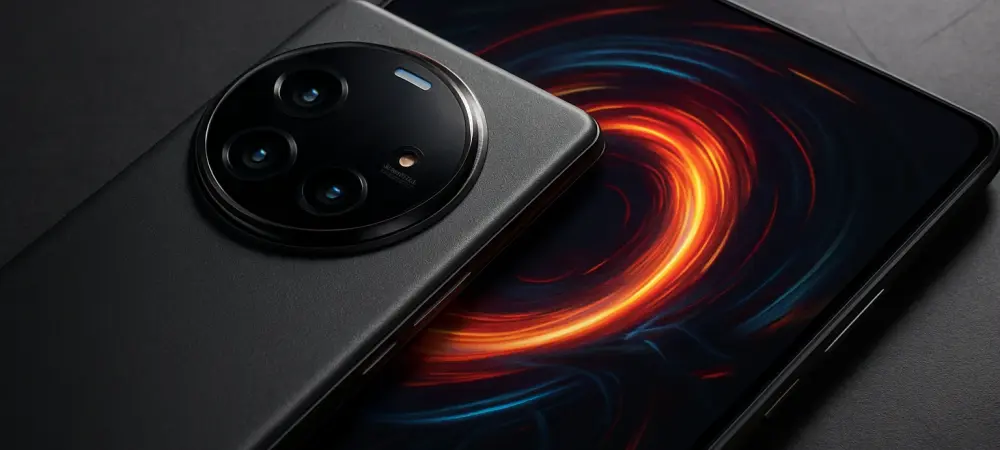
As the competitive landscape for high-performance mobile devices continues to intensify, Vivo’s sub-brand iQOO has officially thrown down the gauntlet with the confirmation of its next major release. The company announced through its social media channels that the iQOO 15 Ultra, a new top-tier gaming flagship, is set to launch in China just before the country’s Spring Festival, which commences on February 17. This announcement validates earlier speculation from industry insiders and sets a definitive timeline for the arrival of what is being positioned as an “ultra-performance” model. This device is expected to sit at the apex of the brand’s flagship lineup, surpassing the standard iQOO 15 and signaling a direct challenge to other established players in the premium gaming smartphone market. The strategic timing of the release suggests an intent to capture significant consumer interest during a peak holiday shopping period, underscoring the company’s confidence in the new model’s appeal to both dedicated gamers and tech enthusiasts seeking uncompromising power and cutting-edge features.
A Glimpse Under the Hood
While the full specification sheet remains under wraps, a confluence of credible leaks paints a compelling picture of a device built around next-generation technology. At the heart of the iQOO 15 Ultra is expected to be the yet-to-be-released Qualcomm Snapdragon 8 Elite Gen 5 SoC, identified by its codename SMM8850. This chipset is anticipated to deliver a substantial leap in processing and graphical capabilities, providing the raw horsepower necessary for demanding AAA mobile titles and intensive multitasking. Complementing this powerful processor is a rumored 6.85-inch 2K LTPO OLED display, reportedly sourced from Samsung. This screen is not only large and high-resolution but is also tipped to feature an exceptionally smooth 165Hz refresh rate. The use of LTPO (Low-Temperature Polycrystalline Oxide) technology would allow for a dynamic refresh rate, optimizing power consumption by lowering the rate for static content and ramping it up for fluid motion in games and scrolling, ensuring both stunning visuals and improved battery endurance. This combination of a flagship processor and a top-tier display establishes a formidable foundation for a premium user experience.
Engineered for the Elite Gamer
The iQOO 15 Ultra’s design philosophy appeared to extend far beyond benchmark numbers, incorporating features specifically tailored to the practical needs of serious gamers. Leaks strongly suggested the inclusion of an upgraded active cooling system, a critical component for maintaining peak performance during extended gameplay sessions. This system was rumored to feature a built-in fan to more effectively dissipate heat, mitigating the thermal throttling that can degrade performance in other high-end devices. Furthermore, the phone was expected to feature physical shoulder triggers, providing users with a more tactile and console-like control scheme for a competitive edge. Beyond its gaming-centric enhancements, the device was slated to be a well-rounded flagship. Reports indicated iQOO was testing a new 50-megapixel periscope telephoto lens, signaling a significant upgrade to its camera capabilities. The inclusion of modern conveniences such as wireless charging and a robust IP68 rating for dust and water resistance rounded out the package, positioning the iQOO 15 Ultra not merely as a specialized gaming phone, but as a comprehensive premium device that made few compromises.