

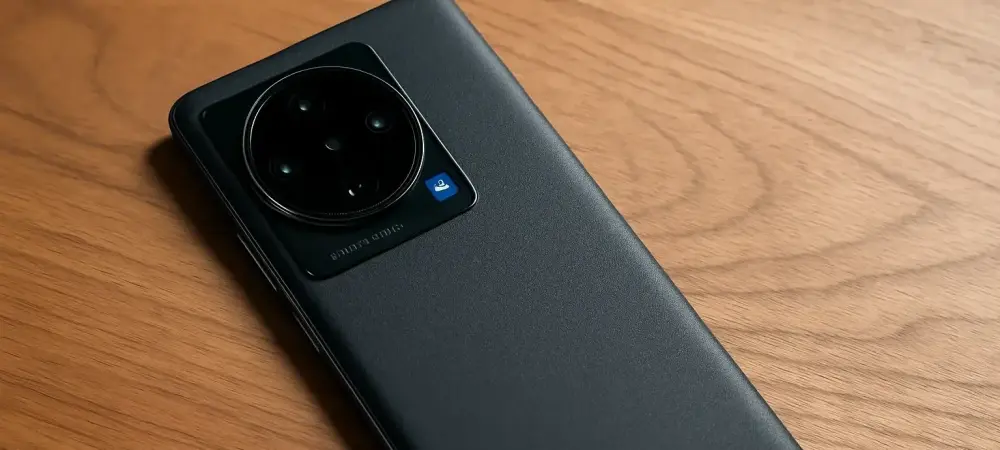
In an era where smartphone photography often rivals professional cameras, the Vivo X300 Pro emerges as a standout contender that promises to redefine mobile imaging with its innovative features. With recent teasers from Vivo highlighting the upcoming launch of this flagship device alongside the standard Vivo X300 in China, anticipation is building around what it has to offer. This device isn’t just another smartphone; it represents a bold step forward in blending cutting-edge camera technology with sleek design aesthetics. Vivo has meticulously shared details about the phone’s display, dimensions, and most notably, its camera specifications, positioning it as a potential game-changer for photography enthusiasts. As the smartphone market becomes increasingly competitive, the emphasis on superior imaging capabilities and refined design could set a new benchmark for what users expect from high-end devices. This exploration delves into the elements that make this model a formidable force in the realm of mobile photography.
Revolutionizing Smartphone Imaging with Advanced Camera Tech
One of the most compelling aspects of the Vivo X300 Pro lies in its extraordinary camera system, designed to cater to both casual users and serious photographers. Boasting a 200-megapixel Zeiss HPB Thanos periscope telephoto lens paired with a 50-megapixel Sony LYT-828 main sensor, this device offers unparalleled detail and clarity. The main sensor, with its large 1/1.28-inch size, f/1.57 aperture, and CIPA 5.5 stabilization, incorporates advanced features like a 22nm low-power process and Hybrid Frame-HDR for a 100dB dynamic range. Add to that the Zeiss T* coating to reduce stray light and VCS Bionic Spectrum 3.0 for accurate color reproduction, and the result is a camera that excels in diverse lighting conditions. Even the 50-megapixel wide-angle selfie camera with a 92-degree field of view and autofocus enhances versatility. Such specifications suggest that Vivo is not merely competing but aiming to dominate in delivering professional-grade photography directly from a smartphone, making every shot a potential masterpiece.
Design and Display Innovations Enhancing User Experience
Beyond its impressive camera capabilities, the Vivo X300 Pro also captivates with a design that prioritizes both aesthetics and functionality, setting it apart in a crowded market. Featuring a 6.78-inch flat display with slim, uniform bezels, this model marks a departure from the quad-curved screens of earlier versions, offering a more modern and user-friendly visual experience. Official teasers reveal a sleek silhouette with a square camera module sporting rounded edges, blending style with practicality. At just 7mm at its slimmest point, the device achieves a remarkably thin profile compared to its predecessors, enhancing portability without compromising on premium build quality. While some concerns linger about potentially slower charging support, the focus on a refined design and an expansive display underscores Vivo’s commitment to creating a smartphone that feels as good to hold as it performs. This thoughtful integration of form and function ensures that users enjoy a seamless and visually immersive interaction with their device.