

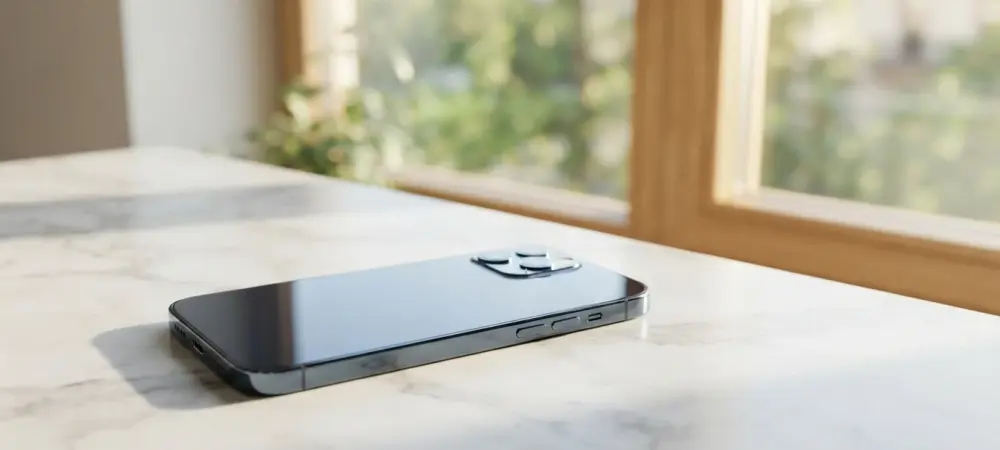
The pursuit of absolute technological sovereignty has fundamentally altered the high-end mobile sector as manufacturers move toward total vertical integration of their hardware. This strategic shift replaces generic off-the-shelf components with custom solutions that are optimized for specific ecosystem requirements.
Vertical integration allows for a level of synergy between silicon and software that was previously unattainable for most manufacturers. By controlling every aspect of production, companies can offer a more cohesive and efficient user experience to their core audience.
Redefining the Global Smartphone Landscape through Self-Reliance
The transition toward hardware independence serves as a powerful tool for defining a unique brand identity in an increasingly saturated market. Self-reliance ensures that critical components are not subject to the volatile shifts of the global supply chain.
Custom-built ecosystems like HarmonyOS 7 play a vital role in fostering deep consumer loyalty by providing exclusive features. This domestic innovation effectively shifts the competitive balance, positioning local tech as a leader in premium hardware design.
Technological Breakthroughs and Market Trajectory in High-End Mobile Devices
Pioneering Trends in Hardware Independence and Imaging Innovation
The Kirin 9025 chipset marks a pivotal moment in proprietary semiconductor design, significantly reducing the reliance on external chip manufacturers. This powerful processor supports a quad-camera system led by a 50-megapixel primary sensor with variable aperture. Display technology has also advanced with second-generation Kunlun Glass, providing superior protection for the 120Hz LTPO OLED panel. These hardware choices reflect a broader trend toward professional-grade multispectral imaging in handheld consumer devices.
Projected Growth and Consumer Demand for the Pura Series
Market data confirms that a tiered pricing strategy starting at CNY 5,499 is successfully capturing a wide range of premium users. Growth projections suggest that high-performance models with 1TB of storage are seeing the fastest rate of adoption.
HarmonyOS 7 has achieved a notable adoption rate as users seek more secure and integrated alternatives to traditional mobile operating systems. Connectivity standards like Wi-Fi 7 and satellite messaging are further driving long-term interest in these flagship devices.
Navigating the Complexities of Global Supply Chains and Performance Expectations
Maintaining cutting-edge chip production remains a significant engineering challenge due to ongoing global trade restrictions. Manufacturers must navigate these hurdles by optimizing internal production lines and resource allocation to meet high market demand.
Balancing the high power consumption of advanced displays with efficient battery management is a priority for maintaining a smooth user experience. Engineering dual IP68 and IP69 ratings requires meticulous design to ensure the device withstands extreme environmental conditions.
Regulatory Frameworks and the Drive for Enhanced Security and Connectivity Standards
National standards now govern the deployment of satellite communication and wireless data, ensuring that consumer devices meet safety protocols. Adherence to these strict durability and environmental ratings is mandatory for establishing a presence in the luxury segment. Data security within the ecosystem is designed to align with evolving digital privacy regulations, offering a secure platform for sensitive tasks. The influence of universal charging standards is also visible in the implementation of 100W wired charging systems.
Future of the Flagship Experience: AI Integration and Beyond
Anticipated AI-driven features will likely become more deeply integrated into the OS, automating complex workflows for mobile users. Potential breakthroughs in multispectral imaging will continue to set new standards for professional-grade photography in the smartphone industry.
Economic conditions will continue to impact the luxury upgrade cycle, though the demand for high-spec independence remains a key driver. The Pura 90 Plus effectively established a template for future disruptors to follow within the premium hardware market.
Deciding the Legacy of the Huawei Pura 90 Plus
The integration of the Kirin 9025 and the sophisticated quad-camera system successfully solidified the status of this device as a flagship powerhouse. Stakeholders found that the tiered pricing provided a clear value proposition for users seeking high durability. Future engineering strategies transitioned toward even greater hardware autonomy between 2026 and 2028 to maintain a competitive edge. Continued investment in proprietary technology provided the necessary foundation for sustained growth in the high-spec mobile sector.