

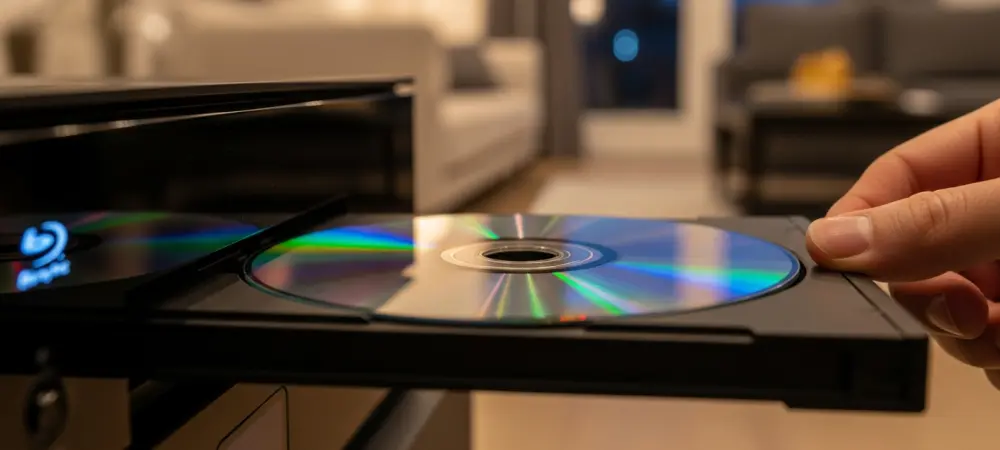
The persistent evolution of high-end home theater technology has reached a point where the disparity between compressed streaming bitrates and the raw throughput of a physical 4K Blu-ray disc is more evident than ever to the discerning viewer. While subscription services have attempted to bridge this gap through improved codecs and tiered pricing models, they remain fundamentally limited by the infrastructure of the internet itself. For the enthusiast who has invested thousands of dollars in a flagship QD-OLED display and a multi-channel surround sound system, the limitations of digital delivery—such as macroblocking in dark scenes and a lack of dynamic range—are no longer acceptable. Physical media, on the other hand, operates without these bottlenecks, offering a consistent bitrate that can often peak at triple that of a high-definition stream. This ensures that every bit of data captured by the cinematographer is translated directly to the screen without the compromise of aggressive compression algorithms.
Restoration Techniques: Part 1. Modernizing Action Cinema
The restoration of John Woo’s seminal action masterpiece, Hard Boiled, serves as a prime example of how 4K physical media can breathe new life into vintage cinema while maintaining technical integrity. By applying contemporary standards like Dolby Vision and Dolby Atmos to the original film elements, technicians have managed to preserve the kinetic energy of the “bullet ballet” while removing years of visual decay and noise. For a film that relies heavily on fast-paced movement and intricate practical effects, the high bitrate of the physical disc is essential to prevent the image from breaking down during intense sequences. This specific release illustrates the power of High Dynamic Range to define the contrast between muzzle flashes and the shadowy corners of a hospital shootout, providing a level of depth that was previously impossible. Furthermore, the inclusion of a lossless soundtrack ensures that every explosion and shell casing hit resonates with the clarity and punch required for an immersive experience.
Restoration Techniques: Part 2. Immersive Audio Standards
The integration of spatial audio through the Dolby Atmos format has fundamentally changed how audiences interact with legacy content on physical discs. In the case of Hard Boiled, the soundstage has been expanded to include height channels that simulate the chaotic environment of John Woo’s signature set pieces. This auditory modernization allows for environmental debris and ricochets to be positioned precisely within a three-dimensional space, creating a transformative experience that a standard digital file simply cannot replicate due to bandwidth constraints. Physical media remains the only delivery method capable of providing the uncompressed audio data necessary for these complex soundscapes to function at their peak performance. By utilizing the full capacity of a triple-layer 100GB disc, studios can include high-resolution audio tracks alongside the 4K video, ensuring that the hardware in a home theater is pushed to its absolute limits without the jitter often associated with cloud-based playback.
Animation Quality: Part 1. High Dynamic Range and Saturation
Animation continues to be one of the most effective showcases for the technical superiority of the 4K physical format, as evidenced by the recent restoration of Disney’s Alice in Wonderland. Because traditional hand-drawn animation relies on very specific color palettes and bold, clean lines, the application of High Dynamic Range on a physical disc can make the original ink and paint colors pop with a level of saturation that was previously unattainable in home video. This format preserves the vibrancy of the hand-drawn art while ensuring the image remains sharp and entirely free of the artifacts or banding that frequently plague compressed digital streams. The precision of the 4K transfer allows viewers to see the texture of the original cels and the subtle nuances in the background paintings, providing a historical look at the medium that feels both fresh and authentic. This level of visual clarity is vital for collectors who want to experience these classic stories as they were originally intended.
Animation Quality: Part 2. Contrast and Display Benchmarks
In the realm of modern computer-generated animation, titles like the Super Mario Galaxy Movie serve as a definitive benchmark for testing the capabilities of contemporary flagship displays. With its setting in the vast reaches of deep space, this particular title acts as the ultimate test for the infinite contrast ratios found in premium OLED screens. The stark contrast between the absolute blacks of the star-filled backgrounds and the incredibly bright, highly saturated colors of the iconic characters provides a perfect scenario for evaluating High Dynamic Range tone mapping. These discs function as an essential audio-visual showcase that justifies the high cost of premium home theater equipment, as they deliver a stable and high-bitrate signal that streaming platforms simply cannot match during high-complexity scenes. By utilizing the peak brightness and wide color gamut of the 4K format, the movie transforms from a simple animated adventure into a stunning display of technological prowess that highlights hardware.
Archival Integrity: Part 1. Boutique Label Curation
Boutique labels such as the Criterion Collection have become indispensable players in the current home media ecosystem by focusing on the nuances of film preservation and natural grain management. Their recent 4K release of the cult classic Hairspray demonstrates a commitment to color accuracy and a film-like texture that avoids the pitfalls of excessive digital smoothing or noise reduction. Collectors increasingly value these specific releases because they respect the original artistic vision of the filmmaker, using the wider color gamut of the 4K format to make vintage aesthetics look lifelike without removing the natural grain that gives cinema its character. This approach ensures that the historical context of the film is maintained, providing a viewing experience that feels like watching a pristine 35mm print in a professional theater. By prioritizing archival integrity over modern digital alterations, these labels have created a premium market for those who demand the highest possible fidelity.
Archival Integrity: Part 2. Grain and Texture Management
The meticulous attention to detail provided by these specialty distributors extends to the physical packaging and supplemental materials, which add a layer of value that digital downloads cannot provide. Each release is often treated as a definitive edition, featuring restored soundtracks and comprehensive documentaries that explore the production history of the film. This level of curation is especially important for maintaining the cultural relevance of independent and international cinema, which might otherwise be lost in the vast and disorganized libraries of major streaming services. By focusing on the technical requirements of the current year, these labels have ensured that their releases remain the gold standard for quality control and artistic respect. The ability to own a physical object that represents a filmmaker’s peak achievement provides a sense of permanence and pride that resonates with the dedicated collector community. This dedication to quality ensures the format remains viable.
Technical Standards: Part 1. Historical Context and Preservation
The landscape of home entertainment underwent a significant transformation as enthusiasts recognized the critical importance of technical standards such as Dolby Vision for dynamic metadata and spatial audio for total immersion. It became clear that the three pillars of a reference-quality experience—high bitrate, archival integrity, and hardware optimization—were only achievable through the continued support of physical 4K media. Hardware specialists and professional testers utilized these discs as the primary tool for calibrating the most advanced OLED and MicroLED displays, ensuring that color depth and contrast were presented accurately. This commitment to maintaining the filmmaker’s original intent provided the necessary justification for the continued investment in high-end theater gear. The community successfully prioritized the preservation of natural film textures and grain, rejecting the trend of digital smoothing that often plagued lower-quality streaming versions.
Technical Standards: Part 2. Implementation and Next Steps
Actionable next steps were identified for those wishing to maximize their home viewing experience by focusing on the acquisition of dedicated 4K Blu-ray players with robust processing capabilities. It was recommended that viewers invested in high-speed HDMI cables and properly calibrated their sound systems to take full advantage of the uncompressed audio tracks provided on physical discs. Furthermore, the practice of curating a physical library was encouraged as a means of ensuring long-term access to important cultural works without the volatility of digital licensing. Collectors were advised to follow the release schedules of boutique labels closely, as these organizations consistently delivered the highest quality restorations available. By focusing on the technical requirements of the year, the home theater community ensured that the standards for visual and auditory fidelity remained at an all-time high. These actions fostered a sustainable environment where physical media thrived.