

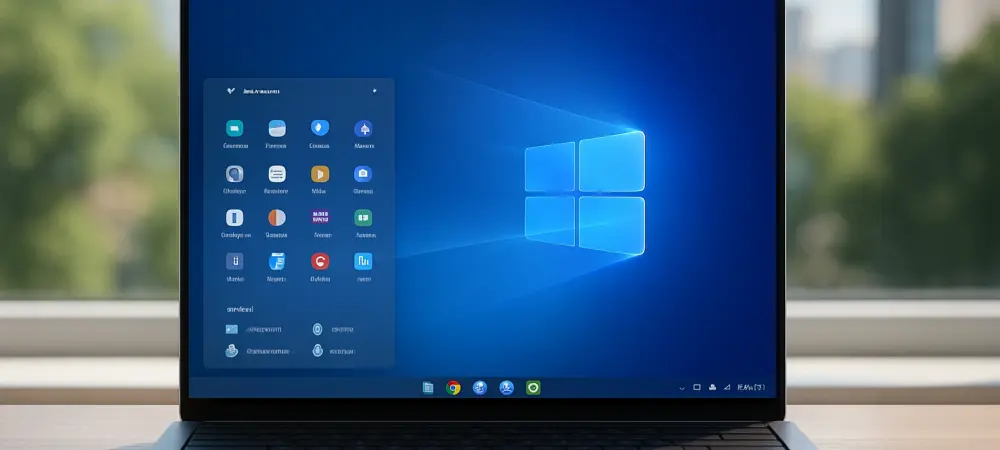
In a world where technology evolves at breakneck speed, dissatisfaction with current operating systems has reached a boiling point for many users, leaving millions grappling with hardware limitations and clunky interfaces in Windows 11. This void begs for innovation, and the question arises: What if the next iteration of Windows could not only address these frustrations but also redefine how people interact with their devices? Enter a visionary concept that has tech enthusiasts buzzing—a bold reimagining of Microsoft’s flagship OS that promises to blend cutting-edge features with everyday usability. This exploration dives into a design that could shape the future of personal computing.
A Glimpse into the Future of Windows
The tech community is abuzz with speculation about what lies beyond Windows 11, especially as users yearn for an operating system that feels both futuristic and familiar. At the heart of this excitement is a concept called “Brilliant Windows 12,” crafted by designer Abdi (AR 4789), whose work has sparked intense discussion. This isn’t merely a superficial redesign but a profound rethink of how an OS should function in an era of rapid digital transformation.
Unlike typical mockups that focus on visual flair, this vision prioritizes a seamless user experience, hinting at what Microsoft might consider for its next big release. The concept taps into a collective desire for innovation, offering a tantalizing preview of a system that could bridge the gap between advanced technology and practical application. It serves as a catalyst for conversations about where Windows might head in the coming years.
Why Windows 12 Matters Now More Than Ever
As Windows 10 nears the end of its support cycle, countless users face a dilemma—upgrade to a Windows 11 that demands stringent hardware specs or remain on an outdated system. Reports indicate a significant portion of devices cannot meet Windows 11’s requirements, with market share for the OS lagging behind expectations, hovering below 30% as of recent surveys by StatCounter. This has left a sizable user base frustrated and in need of a solution that doesn’t exclude older hardware.
Moreover, performance issues on compatible devices have fueled discontent, with forums filled with complaints about sluggishness and unintuitive design choices. The urgency for a new Windows iteration—one that balances accessibility with modern demands—has never been clearer. With competitors integrating AI and adaptive interfaces, the pressure is on for Microsoft to deliver an OS that can keep pace with industry trends.
This growing gap highlights the critical timing for a transformative release. A successor to Windows 11 must address these pain points while pushing boundaries, ensuring that users across diverse hardware setups aren’t left behind. The stage is set for a bold leap forward, and the tech world is watching closely.
Exploring the Brilliance of Abdi’s Windows 12 Concept
Abdi’s “Brilliant Windows 12” stands out as a treasure chest of ideas that tackle real user frustrations head-on. Among the standout features is Collectzone, a tool designed to organize files into intuitive collections, making digital clutter a thing of the past. Another gem, the Files Panel, acts as a centralized hub in the file explorer for quick access to recent and favorite items, streamlining daily tasks with ease.
Beyond organization, the concept proposes a Unified Settings approach, merging the outdated Control Panel with the modern Settings app to create a cohesive management experience—something users have long requested. Additions like Interactive Quick Settings, enhanced notification systems, AI-powered search, and customizable desktop widgets further enrich the design. Each feature is crafted to address specific shortcomings, such as disjointed navigation, that have plagued recent Windows versions.
What makes this vision compelling is its focus on functionality over mere aesthetics. It reflects an understanding of user needs, from simplifying workflows to integrating smart technology that adapts to individual habits. If implemented, these ideas could elevate Windows to a new standard of personalization and efficiency, setting a benchmark for what an OS should achieve.
Voices of Inspiration and Insight
Abdi, known for reimagining classics like Windows XP and Windows 7, has become a prominent voice for a community craving change in the Windows ecosystem. == “The goal is to create something that feels like a natural evolution, not just a flashy update,” Abdi noted in a recent discussion, emphasizing the need for practical innovation.== His latest concept resonates deeply with users who see it as a potential roadmap for Microsoft to follow.
Industry trends lend credibility to these ideas, as competitors increasingly incorporate AI and adaptive software into their platforms—think Apple’s macOS with Siri integration or Google’s Chrome OS with machine learning features. User feedback on tech forums mirrors this sentiment, with many expressing a desire for an OS that prioritizes hardware compatibility and intuitive design. A recent poll on a popular tech site revealed that over 60% of respondents want a more user-friendly Windows experience.
This collective voice underscores the relevance of Abdi’s work. While Microsoft remains silent on plans for a Windows 12, the alignment of this concept with broader technological shifts suggests it’s not a far-fetched dream. It’s a call to action for the industry to listen to its users and rethink what an operating system can be.
Envisioning Your Ideal Windows 12
The conversation around the next Windows doesn’t stop with one designer’s vision—it extends to every user with a stake in the platform’s future. Consider what elements would make an ideal OS: perhaps a seamless upgrade process for aging devices or smarter AI tools to boost productivity. Engaging with online communities and social platforms to share these priorities can amplify the collective demand for change.
Take inspiration from Abdi’s proposals and imagine their impact on daily use. Could a unified Settings app eliminate hours of frustration navigating system controls? Might desktop widgets transform how tasks are managed on a busy screen? These questions serve as a starting point to refine personal expectations for what Windows could become. Ultimately, user input has the power to shape software evolution. By vocalizing needs and preferences, the community can push for an operating system that truly serves its audience. This active participation ensures that the next iteration of Windows reflects a shared vision, blending innovation with accessibility in a way that benefits all.
Looking back, the journey through Abdi’s conceptual “Brilliant Windows 12” offered a refreshing perspective on what Microsoft’s next operating system might achieve. It highlighted a path toward resolving user frustrations with intuitive tools and modern design. As discussions unfolded, the emphasis shifted to community involvement, encouraging every user to contribute ideas for a better Windows. Moving forward, the challenge lies in sustaining this momentum—users must continue advocating for features that matter most, ensuring that future developments align with real-world needs. This collaborative spirit remains the key to unlocking an operating system that redefines personal computing for years to come.