

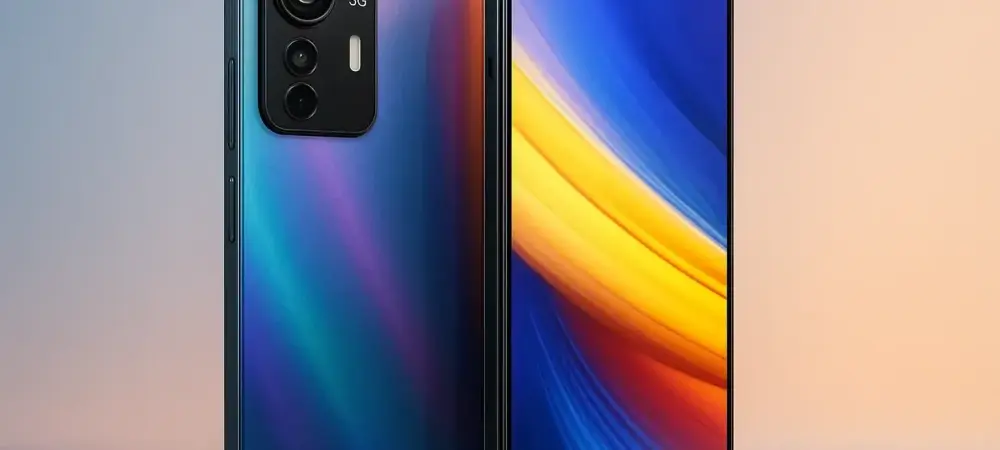
The relentless churn of the smartphone market often begins not with a grand announcement, but with a whisper—a quiet entry in a regulatory database or a fleeting mention on a certification website. For enthusiasts and industry watchers, these digital breadcrumbs are the first tangible signs of a new device on the horizon, transforming speculation into near certainty. The latest device to emerge from this fog of rumor is the Poco M8 5G, a smartphone whose existence is now strongly suggested by a series of international certifications. As the successor to the Poco M7 5G, the impending arrival of this new model signals a potential shift in the competitive landscape for budget-friendly 5G handsets. While the official launch remains under wraps, the convergence of regulatory approvals and leaked specifications provides a compelling preview of a device that could offer a significant upgrade in performance and features, aiming to continue the brand’s legacy of delivering high-value technology to a broad audience. This trail of evidence suggests the launch is not a matter of if, but when.
Regulatory Hurdles and Telltale Signs
The most concrete evidence supporting the imminent release of the Poco M8 5G comes from its recent appearance on several key certification platforms, a standard and necessary step before any electronic device can be sold in a given region. The handset was spotted on Thailand’s National Broadcasting and Telecommunications Commission (NBTC) website under the model number 25118PC98G. This listing is particularly significant as it officially ties the model number directly to the “Poco M8 5G” name, removing any ambiguity about the device’s identity. The certification also confirms its network capabilities, including support for GSM, WCDMA, LTE, and NR bands, which solidifies its status as a 5G-enabled device. This initial finding was further strengthened by parallel listings in the IMDA and EEC certification databases. Such a coordinated appearance across multiple international bodies is a strong indicator that the device is progressing through the final stages of pre-launch preparations for a multi-market debut, suggesting that consumers in several global regions can anticipate its availability in the near future.
A Glimpse Under the Hood
While regulatory filings confirm the device’s existence, the most exciting details have emerged from a collection of unofficial leaks and industry rumors that paint a picture of a capable mid-range contender. The Poco M8 5G is tipped to be powered by the Snapdragon 6 Gen 3 chipset, a processor that promises a notable boost in performance and efficiency over its predecessors. This could be paired with up to 8GB of LPDDR4X RAM and 128GB of UFS 2.2 internal storage, a combination that should ensure smooth multitasking and reasonably fast data access. On the software side, speculation points to the device running on HyperOS 2, based on the latest Android 15, offering a modern and feature-rich user experience. In the photography department, rumors suggest a dual-camera system on the rear, headlined by a 50-megapixel primary sensor with an f/1.8 aperture, complemented by a secondary 2-megapixel sensor for depth or macro shots. Perhaps its most impressive feature could be a massive 5,800mAh battery, which, when combined with purported 45W wired fast charging, should provide exceptional endurance. The device is expected to launch in three distinct color options: Midnight Black, Starlight, and Sky Blue.