

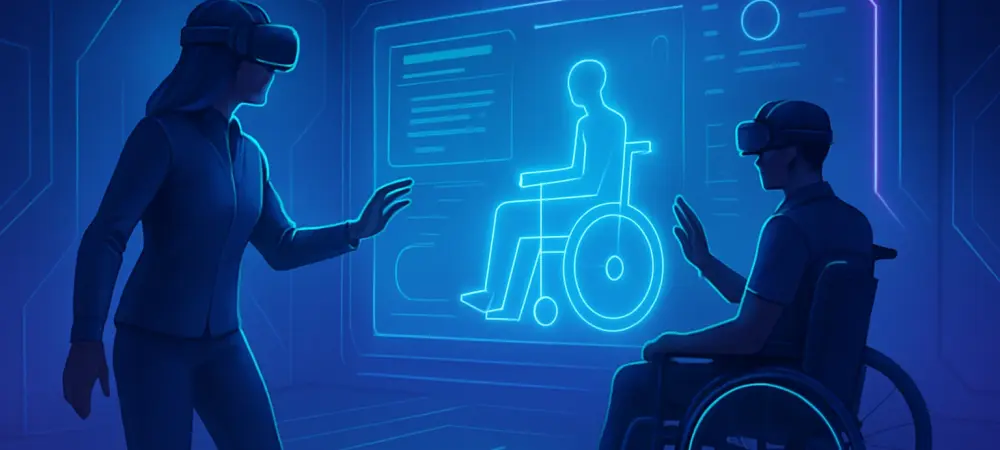
What happens when a simple misunderstanding in a tense moment spirals into trauma for someone who struggles to communicate? For individuals with disabilities, everyday interactions can become high-stakes challenges, especially during encounters with law enforcement or emergencies, revealing a critical gap in preparation and understanding. This stark reality affects countless lives. Virtual reality (VR) is emerging as a powerful tool to bridge this divide, offering safe spaces to practice and build confidence. This exploration delves into how VR empowers those with disabilities to navigate stressful situations with dignity and safety.
The Stark Reality of Vulnerability
High-stress situations often pose unique dangers for people with disabilities due to communication barriers and societal misconceptions. A routine interaction with authority figures can escalate if behaviors are misread as defiance rather than distress. Statistics paint a grim picture: 1 in 5 autistic youth are stopped by police by age 21, facing heightened risks of misunderstanding. These encounters can leave lasting emotional scars, amplifying the need for innovative solutions that prepare individuals for such moments.
Beyond law enforcement, vulnerability extends to medical emergencies and public spaces where quick responses are expected. Over 40% of incarcerated individuals have a disability, often due to misinterpretations during critical interactions. Families and communities bear the weight of these challenges, as the ripple effects of a single traumatic event can disrupt lives. This hidden crisis demands attention and action to ensure safety and equity for all.
Systemic Gaps Fueling the Crisis
Society often falls short in addressing the needs of individuals with disabilities during high-pressure scenarios. Public safety personnel, while increasingly trained to recognize disabilities, frequently lack the depth of understanding required to de-escalate situations effectively. The absence of tailored preparation for those with disabilities themselves compounds the issue, leaving them exposed to harm in unpredictable circumstances.
Communication barriers stand as a formidable obstacle, turning simple exchanges into potential conflicts. Misjudged actions, such as stimming or delayed responses, can be perceived as noncompliance, leading to dire consequences. The scale of this systemic oversight is evident in emergency rooms and public transit, where lack of readiness on both sides heightens risks. Addressing this gap requires a dual approach—equipping both individuals and responders with better tools.
VR as a Revolutionary Training Ground
Virtual reality offers a transformative solution by creating controlled environments where individuals with disabilities can rehearse real-world challenges without fear of repercussions. Simulations of interactions with police, airport security, or first responders allow users to practice calm communication and decision-making skills. Research highlights VR’s effectiveness, showing improvements in conversation speed and emotional recognition among autistic learners, reducing anxiety in the process.
Specific programs demonstrate VR’s practical impact, such as the Floreo platform used in Metro Nashville Public Schools. Here, neurodiverse students engage in 15-minute lessons to master skills like pedestrian safety and bus navigation. Families report noticeable gains, with children independently recognizing crosswalk signals or organizing tasks at home. Unlike traditional methods, VR fills critical gaps by offering repeatable, risk-free practice tailored to individual needs.
Real Stories, Real Change
Expert voices and personal accounts underscore VR’s potential to reshape lives. Aaron Addis, a Project SEARCH instructor, notes that VR-based transition programs for neurodiverse young adults ease social pressures while building executive function. His observations reveal how simulations empower students to handle authority interactions with newfound confidence, a skill vital for independence.
Families add a heartfelt perspective, sharing stories of progress that once seemed out of reach. One parent described their child mastering public transit navigation after VR training, a milestone that boosted both safety and self-reliance. Research backs these anecdotes, with studies affirming VR’s role in enhancing real-world outcomes. Together, these insights paint a compelling picture of technology as a catalyst for tangible, meaningful change.
Steps to Bring VR into Everyday Support
Implementing VR for individuals with disabilities requires strategic, actionable efforts from educators, caregivers, and organizations. Partnerships with programs like Project SEARCH provide access to platforms such as Floreo, ensuring tailored simulations for diverse needs. Starting with short, focused sessions on specific skills—like interacting with first responders—can yield quick, measurable results while building user comfort.
Collaboration with skilled facilitators is essential to guide users through VR experiences and debrief on key takeaways. Expanding training to include employment and travel scenarios, as seen in partnerships with entities like Gaylord Opryland Hotel, prepares individuals for broader life challenges. From 2025 onward, scaling these initiatives through school systems and community programs can maximize impact. This structured approach ensures VR becomes a widely accessible tool for empowerment and independence.
Reflecting on a Path Forward
Looking back, the journey to integrate VR into support systems for individuals with disabilities marked a turning point in addressing long-standing vulnerabilities. The stories of transformed lives and the data backing VR’s efficacy highlighted a clear message: technology, when thoughtfully applied, can dismantle barriers once thought insurmountable. Each step taken showed that preparation was not just a luxury but a necessity for safety.
The next chapter demands broader collaboration to expand access to VR tools across communities. Stakeholders need to prioritize funding and training to sustain these programs, ensuring no one is left behind. Advocates push for policies that embed VR into educational and public safety frameworks, aiming for a future where every individual can face high-stress moments with confidence. This momentum carries hope for lasting equity and dignity.