

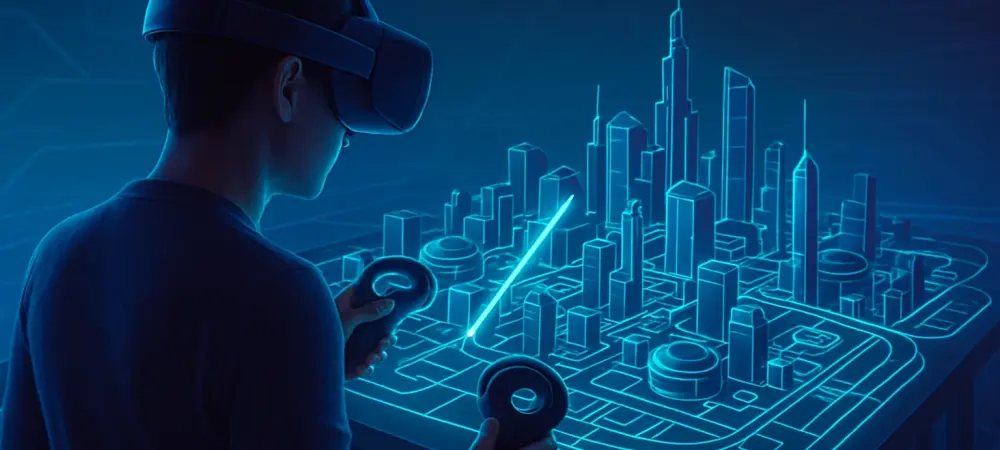
Imagine stepping into a future cityscape, walking through bustling streets or serene parks, all before a single brick is laid, thanks to the transformative power of virtual reality (VR) technology. This is no longer a distant dream but a reality that is revolutionizing urban planning into an interactive and inclusive process. VR allows planners, policymakers, and citizens to visualize and experience proposed urban developments in immersive detail, fostering a deeper understanding of complex designs. This trend is reshaping how cities are conceptualized, bridging the gap between technical blueprints and public comprehension. The focus here is on VR’s current applications, standout real-world examples, expert insights, future possibilities, and its broader impact on creating sustainable, community-driven urban environments.
The Rise of Virtual Reality in Urban Planning
Growth and Adoption Trends
The adoption of VR in urban planning has gained significant momentum in recent years, with public sector projects increasingly incorporating this technology. According to industry reports, the global market for VR in urban design and digital twin solutions has grown substantially, with projections estimating a compound annual growth rate of over 30% from 2025 to 2030. Governments and municipalities worldwide are allocating budgets for VR tools to enhance planning processes, recognizing their value in visualizing infrastructure projects and engaging communities.
A notable trend is the integration of digital twins—virtual replicas of physical environments—into urban planning frameworks. Studies indicate that over 40% of major cities in Europe and North America have initiated pilot programs using these tools for everything from traffic management to zoning simulations. This shift reflects a broader movement toward transparency, as local authorities invest in technology to make planning more accessible and understandable to the public, often supported by funding initiatives for smart city development.
Additionally, technological advancements have made VR more accessible, with hardware costs decreasing and software becoming more user-friendly. Many urban planning departments now prioritize VR training for staff, while partnerships with tech firms enable smaller municipalities to adopt these tools without prohibitive expenses. This growing accessibility underscores a commitment to leveraging VR for more informed and participatory urban design decisions.
Real-World Applications and Case Studies
One striking example of VR’s impact is the Green Loop project by Watford Borough Council in the UK, a 6.5-kilometer cycling and walking route connecting key town areas. By employing VR and digital twin technology, the council created a 3D model of the proposed route, allowing over 270 residents to experience virtual bike rides and walkthroughs. This immersive approach enabled participants to explore widened pathways and upgraded crossings, providing feedback that shaped the project’s final design.
Beyond Watford, other municipalities have embraced VR to visualize urban transformations. Cities like Singapore and Los Angeles have used VR simulations to present redevelopment plans for public spaces, enabling stakeholders to interact with future designs before construction begins. These virtual environments help identify potential issues, such as accessibility challenges, ensuring that developments cater to diverse community needs from the outset.
VR also facilitates interactive planning sessions, where citizens can offer input during virtual forums. For instance, some European cities have hosted public consultations using VR headsets, allowing residents to “walk” through proposed neighborhoods and suggest modifications in real time. Such applications highlight how VR not only enhances visualization but also fosters a collaborative dialogue between planners and the public, making urban development a shared endeavor.
Expert Perspectives on VR’s Role in Urban Development
Urban planning professionals and technology experts alike view VR as a game-changer in shaping modern cities. Many emphasize its ability to make abstract concepts tangible, noting that immersive simulations help communities grasp the implications of proposed changes. A leading urban planner recently highlighted that VR fosters inclusivity by engaging demographics often sidelined in traditional consultations, such as youth and non-technical individuals, thereby enriching the feedback process.
Sustainability experts also champion VR’s potential to advance eco-friendly urban initiatives. By simulating projects like green corridors or renewable energy installations, VR allows stakeholders to assess environmental impacts before implementation. However, challenges remain, as some experts point to high initial costs and technical barriers that can limit adoption, particularly in under-resourced regions. They advocate for scalable solutions and public-private partnerships to democratize access to these tools.
Another concern raised by specialists is the digital literacy gap among certain populations, which could hinder equitable participation. Addressing this, many suggest integrating VR with simpler interfaces, like 2D visualizations, to ensure broader accessibility. Despite these hurdles, the consensus is that ongoing advancements in user-friendly software and hardware will continue to position VR as a cornerstone of participatory urban development, balancing innovation with practicality.
Future Horizons: VR’s Potential in Shaping Cities
Looking ahead, VR in urban planning is poised for remarkable evolution, with affordability expected to improve as hardware and software costs decline. Integration with augmented reality (AR) could further enhance capabilities, allowing planners to overlay digital designs onto real-world environments for even more precise assessments. Real-time data modeling is another anticipated advancement, enabling cities to simulate dynamic scenarios like population growth or climate impacts with unprecedented accuracy.
The potential benefits are vast, ranging from disaster preparedness to urban accessibility. VR simulations could help cities test evacuation routes or flood mitigation strategies, ensuring resilience against natural disasters. Additionally, by visualizing accessible infrastructure, planners can design environments that better serve individuals with disabilities, while community buy-in for sustainable projects could strengthen as residents experience eco-friendly proposals firsthand.
However, challenges loom on the horizon, including privacy concerns tied to data collection for digital twins. There is also a risk of over-reliance on technology, potentially sidelining traditional engagement methods that remain vital for some communities. Broader implications extend across sectors, as VR’s influence on urban planning could inform transportation systems, housing policies, and environmental strategies globally, creating a ripple effect of innovation and collaboration.
Embracing VR for Smarter Urban Futures
Reflecting on the journey of VR in urban planning, its growing adoption stands out as a transformative force, evidenced by successful implementations like the Green Loop project in Watford. Real-world case studies demonstrate VR’s power to engage communities, while expert validations underscore its role in inclusivity and sustainability. Future possibilities hint at even greater advancements, promising more accessible and dynamic tools for city design. As a next step, urban planners and policymakers are encouraged to prioritize pilot programs that integrate VR into local projects, learning from established models to tailor solutions to specific needs. Investment in digital literacy initiatives also emerges as crucial, ensuring that all community members can participate in this digital shift. Ultimately, embracing VR paves the way for smarter, more connected cities, setting a foundation for collaborative and forward-thinking urban development in the years to come.