

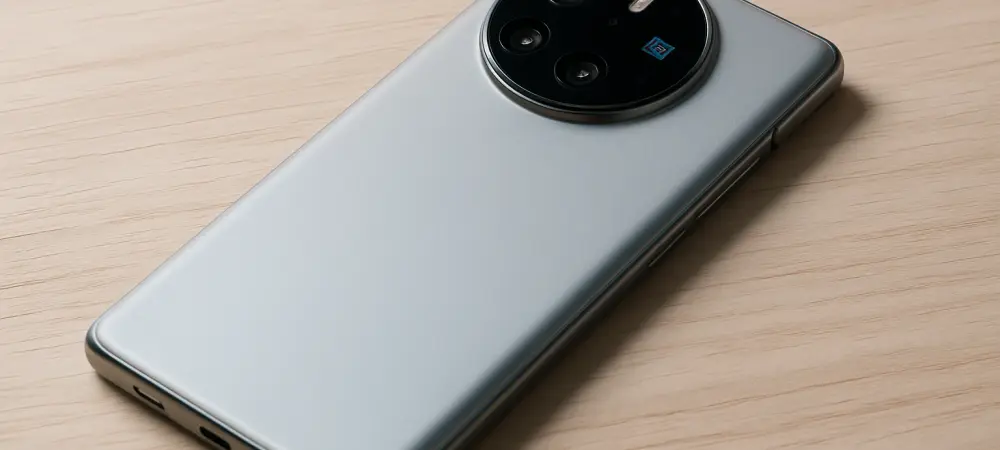
In a market as dynamic as India’s smartphone arena, where over 150 million units are shipped annually, the arrival of a flagship device like Vivo’s latest offering sparks intense curiosity among tech enthusiasts and industry watchers. With rumors swirling about an exclusive red colorway and top-tier specifications, this device has captured significant attention. This roundup dives into the buzz surrounding the anticipated India launch of Vivo’s new flagship, gathering insights from various tipsters, tech bloggers, and market analysts. The purpose is to present a comprehensive view of what this release could mean for Indian consumers, exploring design exclusivity, performance expectations, and strategic market moves.
Gathering the Buzz: What Sources Say About the India Launch
Anticipated Timeline and Market Impact
Speculation about the launch timeline has been rife, with multiple sources pointing to a December debut in India. Following an initial unveiling in China and a global reveal shortly after, the Indian market is abuzz with expectations of a tailored release. Industry observers note that this timing aligns with the festive and holiday shopping surge, a critical period for smartphone sales in the region. The consensus suggests Vivo is aiming to capitalize on this high-demand window to maximize visibility and consumer uptake.
Differing views emerge on how impactful this launch could be in a crowded premium segment. Some analysts argue that Vivo’s timing could give it an edge over competitors rolling out devices earlier in the year, positioning the brand as a fresh contender for year-end purchases. Others caution that without aggressive pricing or standout features, the device risks being overshadowed by established players already dominating consumer mindshare in India.
Exclusive Red Colorway: A Design Gamble?
A leaked render circulating among tipsters highlights an India-exclusive red colorway for the standard model, distinguishing it from global options like Halo Pink and Phantom Black. Many in the tech blogging community view this as a bold aesthetic choice, tailored to resonate with local tastes where vibrant hues often symbolize festivity and energy. They suggest that such exclusivity could create a sense of rarity, driving interest among style-conscious buyers.
However, not all opinions align on the potential success of this design strategy. Certain market watchers question whether a unique color alone can sway purchasing decisions in a segment where technical specifications often take precedence. They argue that while the red shade may attract initial attention, sustained sales will depend on how Vivo backs up this visual appeal with performance and value, especially for a demographic known for rigorous spec comparisons.
Performance Expectations: Can It Compete in the Premium League?
Flagship Specs Under the Spotlight
Across various tech forums and analyst reports, the expected specifications of the device have been a major talking point. Sources consistently highlight a 6.31-inch Q10+ LTPO AMOLED display with a 120Hz refresh rate, paired with the cutting-edge MediaTek Dimensity 9500 SoC and up to 16GB of RAM. Such hardware, according to tech reviewers, positions the phone as a powerhouse suited for gaming, multitasking, and high-end media consumption, catering to India’s growing base of power users.
Contrasting opinions surface regarding the real-world impact of these specs. While some enthusiasts predict that features like the 5,360mAh battery with 90W fast charging will set a new standard for endurance in the premium category, others remain skeptical about whether these numbers translate to noticeable improvements over existing flagships. A few analysts emphasize the need for optimized software to fully leverage this hardware, warning that raw power without refinement could leave users underwhelmed.
Camera Capabilities: A Game-Changer or Overhyped?
The Zeiss-tuned triple rear camera system, featuring a 200-megapixel main sensor with optical image stabilization, has generated significant excitement among photography buffs in the tech community. Many sources praise the inclusion of 50-megapixel ultrawide and periscope lenses, alongside a 50-megapixel front camera, as evidence of Vivo’s focus on imaging excellence. They argue that this setup could appeal to India’s burgeoning creator economy, where high-quality visuals are paramount.
On the flip side, some critics question the practicality of such advanced camera tech for the average consumer. They point out that while the specs are impressive on paper, the premium pricing likely to accompany them might not align with the priorities of cost-sensitive buyers in India. A segment of reviewers also wonders if the processing algorithms can match the hardware’s potential, suggesting that real-world testing will be crucial to validate these claims.
Market Strategy: Tailoring to Indian Preferences
Regional Customization as a Winning Move
Vivo’s apparent strategy of offering an exclusive color variant for India has sparked discussions about regional customization in smartphone marketing. Several industry commentators applaud this approach, noting that personalizing design elements to reflect cultural aesthetics can foster a deeper connection with local consumers. They see this as part of a broader trend among brands to differentiate offerings in key markets like India, where consumer diversity demands nuanced strategies.
Dissenting voices, however, highlight the risks of overemphasizing design over functionality. Some market analysts argue that while a striking color may generate buzz, it could be perceived as a superficial tactic if not paired with meaningful innovations or competitive pricing. They suggest Vivo must balance aesthetic appeal with tangible benefits to ensure this customization translates into long-term brand loyalty.
Competitive Positioning in a Crowded Segment
Insights from various sources also touch on how Vivo’s latest move fits into the larger competitive landscape. Many agree that targeting the premium segment with flagship specs and unique design elements signals Vivo’s intent to challenge top-tier brands head-on. They point to the brand’s history of innovation in imaging and display tech as a foundation for carving out a significant share in India’s high-end market.
Yet, there’s a split in opinion on whether this approach will suffice against entrenched competitors. A portion of analysts warns that established players with loyal customer bases and extensive service networks might pose a formidable barrier. They recommend that Vivo focus on after-sales support and ecosystem integration to complement its hardware and design strengths, ensuring a holistic appeal to discerning buyers.
Wrapping Up the Roundup: Key Takeaways and Next Steps
Looking back, this compilation of perspectives reveals a multifaceted picture of Vivo’s anticipated flagship launch in India, with excitement centered on its exclusive red colorway, robust specifications, and market-specific strategies. The diversity of opinions underscores both the potential and the challenges of standing out in a highly competitive space, from design innovations to performance benchmarks. For consumers and industry followers, the next steps involve staying tuned for official announcements from Vivo to confirm launch details and pricing. Potential buyers are encouraged to weigh the device’s features against competitors, focusing on personal priorities like camera quality or battery life. Retailers, meanwhile, can prepare by gauging consumer interest in exclusive variants to optimize inventory. Ultimately, this launch serves as a reminder of the evolving interplay between customization and technology in shaping smartphone trends, offering a glimpse into how brands might further adapt to diverse markets.