

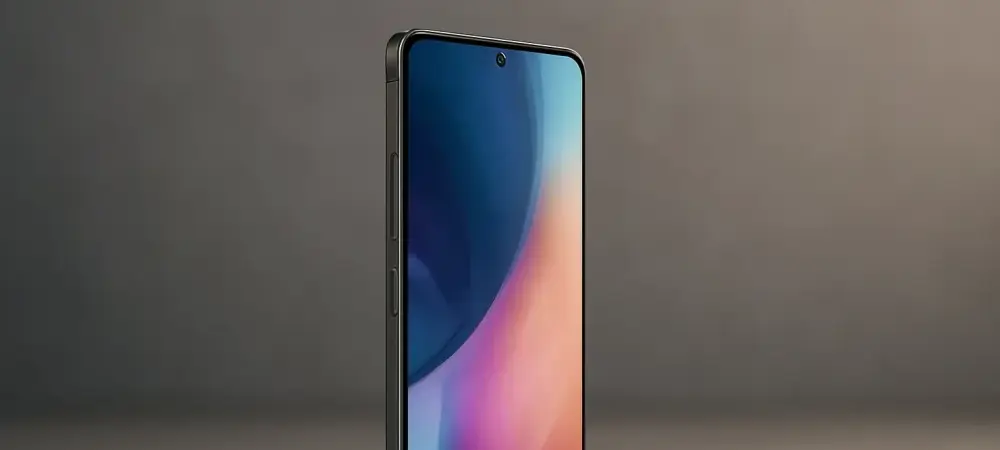
In an era where smartphone design pushes the boundaries of engineering, the quest for thinner, lighter devices has captured the attention of tech enthusiasts and everyday users alike, and Samsung, a titan in the mobile industry, has thrown its hat into the ring with its slim smartphone lineup. Most notably, with the Galaxy S25 Edge and the rumored successor, codenamed ‘More Slim,’ this review delves into the intricacies of Samsung’s ultra-thin technology, exploring whether the balance between sleek aesthetics and robust performance can redefine market expectations. With competitors hot on their heels, the stakes are higher than ever for Samsung to carve out a niche in this specialized segment.
Design Evolution and Market Context
Samsung’s journey into ultra-thin smartphones gained momentum with the Galaxy S25 Edge, which debuted as the slimmest in its iconic Galaxy S series at a mere 5.8mm thickness. This device set a benchmark for what portable design could achieve, catering to a growing consumer base that prioritizes lightweight, pocket-friendly gadgets over bulky alternatives. However, despite its innovative form factor, the S25 Edge faced lukewarm market reception, prompting Samsung to rethink its approach while still holding firm to the slim design ethos.
The broader smartphone landscape underscores the importance of such innovation, as design and portability emerge as key differentiators in a saturated market. With users increasingly seeking devices that blend seamlessly into their fast-paced lifestyles, Samsung’s persistence in refining its slim category reflects a strategic alignment with these evolving demands. The rumored ‘More Slim’ model, potentially part of the Galaxy S26 series, signals an intent to not only address past shortcomings but also to outpace competitors vying for dominance in this niche.
Detailed Analysis of the ‘More Slim’ Features
Ultra-Thin Build and Materials
Diving into the specifics, leaks surrounding the ‘More Slim’ device suggest an astonishing 5.56mm profile, positioning it as a potential frontrunner against rivals like the speculated iPhone Air. This reduction in thickness, though seemingly minor, represents a significant engineering feat, enhancing the device’s portability without sacrificing structural integrity. The design reportedly incorporates an aluminum composite frame reinforced with a titanium substructure, ensuring durability while maintaining a premium aesthetic appeal.
This ultra-slim build is more than just a visual statement; it directly impacts user experience by making the device easier to carry and handle. The focus on lightweight materials also hints at Samsung’s commitment to addressing practical concerns, ensuring that style does not come at the expense of everyday usability. Such advancements could redefine expectations for what a high-end smartphone should feel like in hand.
Display and Processing Power
On the performance front, the ‘More Slim’ model is rumored to feature a 6.6-inch Dynamic AMOLED 2X LTPO 2.5 display, boasting a 120Hz adaptive refresh rate. This setup promises exceptional visual clarity and smoothness, ideal for everything from gaming to content streaming, while optimizing power consumption through adaptive technology. The display’s quality could set a new standard for slim devices, proving that a reduced form factor does not equate to compromised screen excellence.
Under the hood, leaks point to Samsung’s in-house Exynos 2600 chipset, expected to deliver notable performance upgrades over its predecessors. This processor aims to balance efficiency with raw power, catering to users who demand seamless multitasking and high-speed operations in a compact package. If these speculations hold true, the device could solidify its place as a flagship contender in the ultra-thin category, blending cutting-edge tech with minimalist design.
Battery Life and Camera Innovations
Addressing a common critique of slim smartphones, the ‘More Slim’ model reportedly upgrades to a 4,300mAh battery, a substantial leap from the 3,900mAh capacity of the S25 Edge. This enhancement suggests Samsung’s focus on rectifying past limitations, ensuring longer usage times despite the constrained internal space. Such a development could alleviate consumer concerns about frequent recharging, a persistent issue in ultra-thin designs.
Camera capabilities also appear poised for an upgrade, with leaks indicating a dual rear setup featuring a 50-megapixel ultra-wide-angle sensor and a 50-megapixel telephoto sensor. There’s even talk of a potential periscope lens for advanced zoom, which would be a remarkable inclusion in such a slender frame. Balancing these powerful hardware features with the device’s slim profile showcases Samsung’s engineering prowess, potentially setting a precedent for future iterations in this segment.
Competitive Landscape and Industry Trends
The ultra-thin smartphone segment is witnessing a surge in interest, with brands like Apple rumored to be developing their own contenders, such as the iPhone Air. This competitive pressure underscores the growing consumer appetite for sleek devices that do not compromise on functionality. Samsung’s strategic pivot, possibly rebranding the Galaxy S26 Edge as ‘More Slim,’ reflects an effort to refresh market perception and align with these emerging preferences.
Beyond branding, industry trends highlight a broader push toward integrating design innovation with practical performance. Manufacturers are increasingly challenged to deliver devices that are not only visually striking but also capable of meeting the demands of modern usage. Samsung’s focus on enhancing battery life and processing power in its slim lineup positions it to capitalize on this dual expectation, potentially gaining an edge over rivals.
Market Positioning and Target Audience
Samsung’s slim smartphones target a distinct consumer base that values portability and premium design, including professionals, frequent travelers, and tech enthusiasts. The ‘More Slim’ model, with its refined specifications, could appeal to those seeking a device that doubles as a status symbol and a practical tool. Its lightweight nature makes it ideal for on-the-go lifestyles, where every ounce matters.
Positioning itself in the premium market, Samsung aims to compete directly with other ultra-thin offerings, carving out a niche where style meets substance. This approach not only diversifies its portfolio but also strengthens its foothold among discerning buyers who prioritize cutting-edge design. Success in this segment could reinforce Samsung’s reputation as a leader in smartphone innovation.
Challenges in Ultra-Thin Development
Despite the promise of the ‘More Slim’ model, Samsung faces significant hurdles, as evidenced by the commercial struggles of the Galaxy S25 Edge, which saw weak sales due to limited demand. This history raises questions about whether the market is fully ready for ultra-thin devices, or if consumer skepticism about their practicality persists. Addressing these concerns remains a critical task for Samsung’s product strategy.
Technical challenges also loom large, including issues like heat dissipation and structural durability in such slender frames. Ensuring that the device withstands daily wear and tear without overheating or bending is no small feat. Additionally, the delayed development timeline of the ‘More Slim’ compared to the standard Galaxy S26 lineup suggests a cautious approach, hinting at potential internal debates over market readiness and optimal launch timing.
Final Thoughts and Future Directions
Reflecting on this review, Samsung’s dedication to pushing the boundaries of smartphone design with the ‘More Slim’ model is evident through its rumored advancements in thickness, battery capacity, and processing power. The analysis of leaked specifications and industry positioning paints a picture of a company determined to overcome past setbacks, even as it navigates a challenging competitive landscape. The balance of innovation and practicality remains a central theme in evaluating this technology.
Looking ahead, Samsung needs to focus on consumer education, highlighting the tangible benefits of ultra-thin devices to shift market perceptions. Exploring partnerships with app developers to optimize software for slim hardware could further enhance user experience. Additionally, investing in sustainable materials for future models might address environmental concerns, aligning with broader industry shifts toward eco-conscious design. These steps could position Samsung to not only lead in the slim segment but also redefine what premium smartphones mean to users worldwide.