

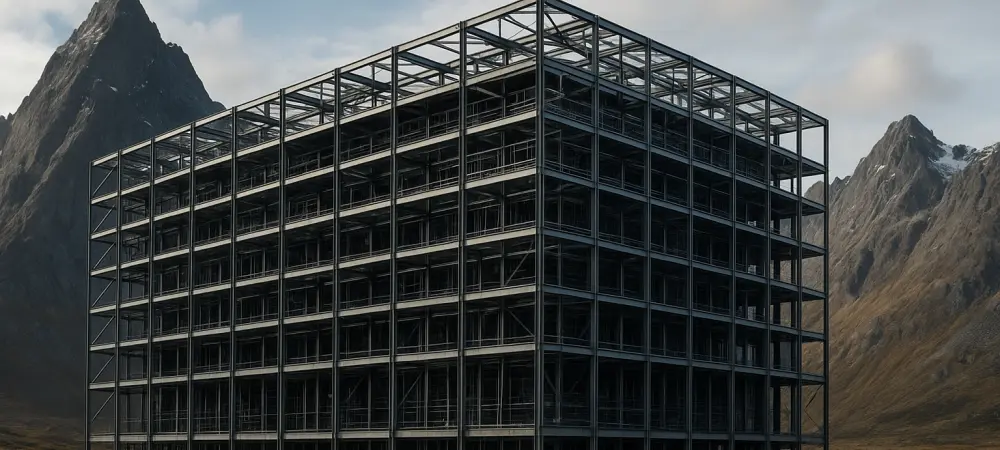
The integration of European engineering specialists ensures that the thermal energy recovery systems at Mo i Rana meet the highest standards for circular efficiency. This monumental undertaking marks a decisive pivot in Norway’s industrial landscape, as a site originally optimized for cryptocurrency mining in 2018 undergoes a radical metamorphosis into a 42MW high-performance computing hub. The transformation reflects a broader global shift where legacy digital asset facilities are being repurposed to accommodate the intense computational demands of modern artificial intelligence. By stripping away outdated infrastructure and erecting a specialized superstructure, the project sets a precedent for sustainable technological growth. This endeavor not only addresses the scarcity of specialized AI power but also demonstrates how brownfield sites can be revitalized to support the next generation of digital services without the environmental footprint associated with new builds.
Local Expertise: Regional Industrial Development
Construction activity in northern Norway has intensified as demolition and enabling works proceed on the site’s main building. To maintain a strong connection with the regional economy, VivoPower has selected a consortium of locally based contractors to lead the physical development. Firms such as Øijord & Aanes, IMTAS, and TH Blikk bring indispensable knowledge of the Arctic environment and established supply chains to the project. This strategy ensures that the specialized requirements of the AI data center, which include advanced structural reinforcements and precision cooling channels, are met with local technical proficiency. Integrating regional expertise reduces logistical complexities while fostering a domestic talent pool capable of maintaining these complex facilities. The immediate focus remains on completing the superstructure to ensure the site is weather-tight before the harshest winter conditions settle into the Mo i Rana region.
Beyond the physical construction, the project represents a significant injection of capital into the tech sector, positioning the area as a vital link in the European digital economy. The decision to hire specialized local laborers ensures that the economic benefits of the 42MW facility remain within the community long after the initial phases are finished. These contractors are not merely providing labor; they are implementing sophisticated architectural designs that allow for the high power density required by modern graphics processing units. As the superstructure rises, the site transitions from a conceptual design to a tangible asset capable of supporting the most complex neural networks. This collaborative approach between international developers and local specialists bridges the gap between global technology trends and regional industrial capabilities, creating a resilient model for future infrastructure investments in similar climates and jurisdictions.
Strategic Evolution: Future Considerations for AI Infrastructure
The environmental strategy at Mo i Rana centers on a circular energy model that moves away from traditional cooling methods. Instead of venting surplus heat, the facility utilizes specialized exchangers to capture thermal energy generated by server racks. VivoPower is currently finalizing agreements with local district heating providers to channel this captured warmth into residential and industrial heating grids. This process effectively turns the data center into a dual-purpose utility that provides both computational power and sustainable heating. European engineering teams have optimized these thermal recovery systems to operate at peak efficiency, ensuring that the energy consumed by AI processing provides a secondary benefit to the local population. This level of integration is becoming a prerequisite for large-scale data projects in the Nordic region, where regulatory frameworks increasingly prioritize carbon neutrality and resource efficiency throughout.
The successful launch of the Mo i Rana construction phase established a clear blueprint for future industrial conversions. Stakeholders recognized that the transition from cryptocurrency mining to artificial intelligence was not merely a hardware upgrade but a fundamental shift in infrastructure design. By prioritizing waste heat recovery and local technical partnerships, the project demonstrated that sustainability and high-performance computing were mutually achievable goals. Analysts suggested that organizations seeking to replicate this success should focus on securing long-term power agreements and integrating with local utilities from the outset. Future projects were advised to implement flexible structural designs that could accommodate evolving GPU technologies while maintaining energy efficiency. This proactive approach allowed the project to bypass common regulatory hurdles and set a standard for regional cooperation. The industry finally prioritized brownfield redevelopment.